Why Mileage Is a Starting Point, Not a Final Answer
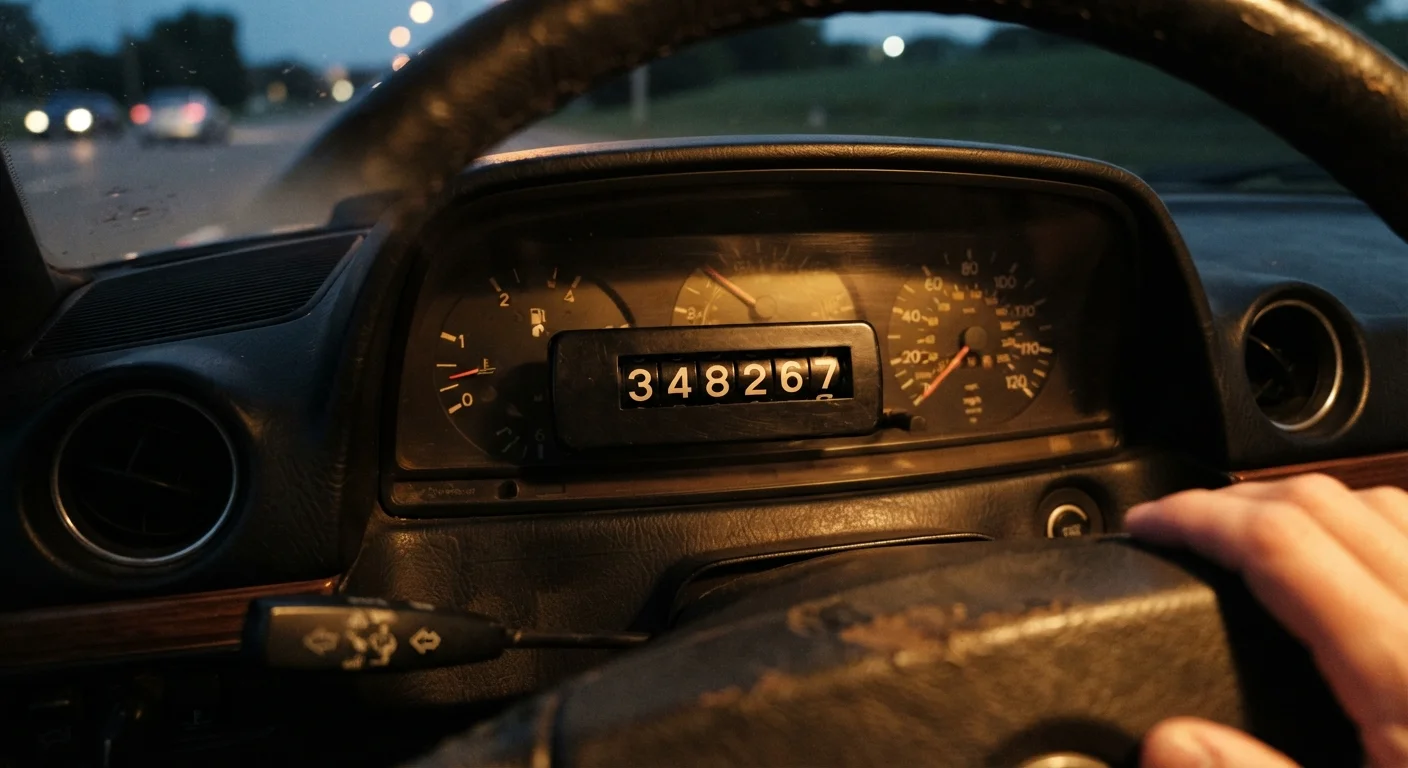
When shoppers search for used vehicles, the odometer reading is often the first filter they apply - and understandably so. Mileage gives an immediate sense of how much a car has been used. But treating it as the primary measure of condition leads buyers to pass on genuinely sound vehicles and, occasionally, to overpay for low-mileage cars that were poorly maintained.
A more accurate framing: mileage tells you how much a vehicle has been used, while maintenance history, driving patterns, and a hands-on inspection tell you how well it has been treated. Both dimensions together paint a meaningful picture. Neither alone is sufficient.
For reference, U.S. drivers average roughly 12,000 to 15,000 miles per year. That figure helps you calibrate whether a car has been driven more or less than expected for its age - a useful baseline, but only the beginning of the evaluation.
12,000-15,000
Average miles driven per year in the U.S.
According to the Federal Highway Administration, this range represents the national average annual vehicle miles traveled per driver.
200,000+
Miles many modern vehicles can reach with proper care
Advances in engine design, materials, and lubricants mean well-maintained vehicles regularly surpass mileage thresholds that would have been exceptional in earlier decades.
~$4,000
Typical price difference between low- and high-mileage used cars
Consumer pricing data shows meaningful price gaps between otherwise similar vehicles at different mileage tiers, though the gap narrows significantly above 100,000 miles.
How Driving Patterns Shape What Mileage Actually Means
Not all miles are created equal. A vehicle that spent most of its life on interstate highways - commuting between cities or doing long-haul driving - typically experiences less cumulative wear per mile than one used primarily for short urban trips. Here's why: stop-and-go city driving demands frequent acceleration and braking cycles, puts more stress on brakes and transmission, and often prevents the engine from reaching its optimal operating temperature on very short trips.
Highway miles, by contrast, involve steady engine loads, consistent lubrication circulation, and fewer thermal cycles. Mechanics frequently note that a 120,000-mile highway-driven vehicle may show less wear on critical components than an 80,000-mile city car.
When evaluating any used vehicle, ask the seller - or look for clues in the vehicle's history - about where and how it was primarily driven. Fleet vehicles (rental cars, company cars) often rack up highway miles quickly but tend to follow strict maintenance schedules, which can make them reasonable candidates despite higher readings.
Ask About the Car's Typical Use
Before fixating on the odometer, ask the seller whether the vehicle was used primarily for highway driving, city commuting, or short errand trips. If purchasing from a private seller, ask to see any fuel receipts, insurance records, or registration history that might corroborate their account. Matching claimed use to observable wear patterns is a quick, low-effort sanity check.
Maintenance History: The Variable That Outweighs the Odometer
If you could choose between a 90,000-mile car with complete documented service records and a 50,000-mile car with no maintenance history, most experienced mechanics would tell you the higher-mileage, well-documented car carries less risk. Consistent oil changes, timely timing belt or chain replacements, coolant flushes, and brake service keep a vehicle's systems functioning reliably far longer than the odometer might suggest is possible.
Look for service records that show regular oil changes at or near manufacturer-recommended intervals, documentation of major scheduled services (such as transmission fluid and spark plug replacements), and records of any repairs performed. Dealership or shop-stamped service logs, digital records from a service chain, or even bank statements showing payments to a mechanic all carry weight.
A vehicle history report can surface ownership changes, odometer snapshots, and reported accidents that help you interpret the mileage in broader context. For a deeper look at what each section of that report is telling you, see our guide on how to read a vehicle history report.
Red Flags and What a Pre-Purchase Inspection Reveals
Mileage can occasionally be manipulated. Odometer rollback - rolling back an electronic or mechanical odometer to show fewer miles - is illegal under federal law but still occurs. Signs of tampering include wear on the steering wheel, pedals, or seat that seems inconsistent with the stated mileage, as well as odometer readings on a history report that decrease between entries. Our article on odometer fraud explains what to watch for in detail.
Beyond fraud, mileage simply can't reveal everything a mechanic can. A qualified pre-purchase inspection - typically performed at an independent shop of your choosing - checks for fluid leaks, worn belts and hoses, suspension and brake condition, engine health, and signs of prior accident damage. This step is valuable at any mileage level but is especially important when buying a higher-mileage vehicle or one with incomplete service documentation.
Understanding a car's VIN can also add context before the inspection. The VIN encodes information about where and how the vehicle was built, which can be relevant when researching known reliability patterns for a specific model year.
Pre-Purchase Inspections Are Worth the Cost
An independent pre-purchase inspection typically costs between $100 and $200 at most independent repair shops. For a vehicle that may cost thousands of dollars, this is a modest investment in confidence. Ask to have the car inspected at a shop of your choosing - not one recommended by the seller - to ensure an impartial assessment.
Putting It All Together When Evaluating a Used Vehicle
A practical approach to mileage evaluation combines several inputs: the raw odometer reading calibrated against the vehicle's age, the type of driving recorded in its history, the completeness of its maintenance records, a visual and mechanical inspection, and a verified vehicle history report. No single factor should dominate.
High-mileage vehicles often come at a lower price point - which can represent genuine value if the underlying condition is sound. Conversely, a low-mileage car that sat unused for long periods can develop its own set of problems, including degraded seals, stale fluids, and deteriorated rubber components. If you're thinking about the long-term financial picture, it's worth understanding how mileage affects resale value before you buy.
The goal is informed confidence, not avoidance of any particular number on the dial. With the right information in hand, everyday buyers can evaluate used vehicles the same way experienced mechanics do - by looking at the whole picture.
This article is for general informational purposes. Consult a qualified mechanic before making any vehicle purchase decision.