How Each Framework Is Structured
Understanding the mechanics of each method is the first step toward choosing between them. Both start with the same input - your monthly after-tax income - but they handle that number very differently.
The 50/30/20 rule divides your take-home pay into three buckets. Roughly 50% covers needs - rent, utilities, groceries, insurance, and minimum debt payments. Around 30% goes toward wants - dining out, streaming subscriptions, travel, and other discretionary spending. The remaining 20% is directed to savings and debt repayment beyond minimums. The percentages are guidelines, not hard rules, and many households adjust them to reflect higher housing costs or more aggressive savings goals. For a fuller breakdown, see how the 50/30/20 rule works in practice.
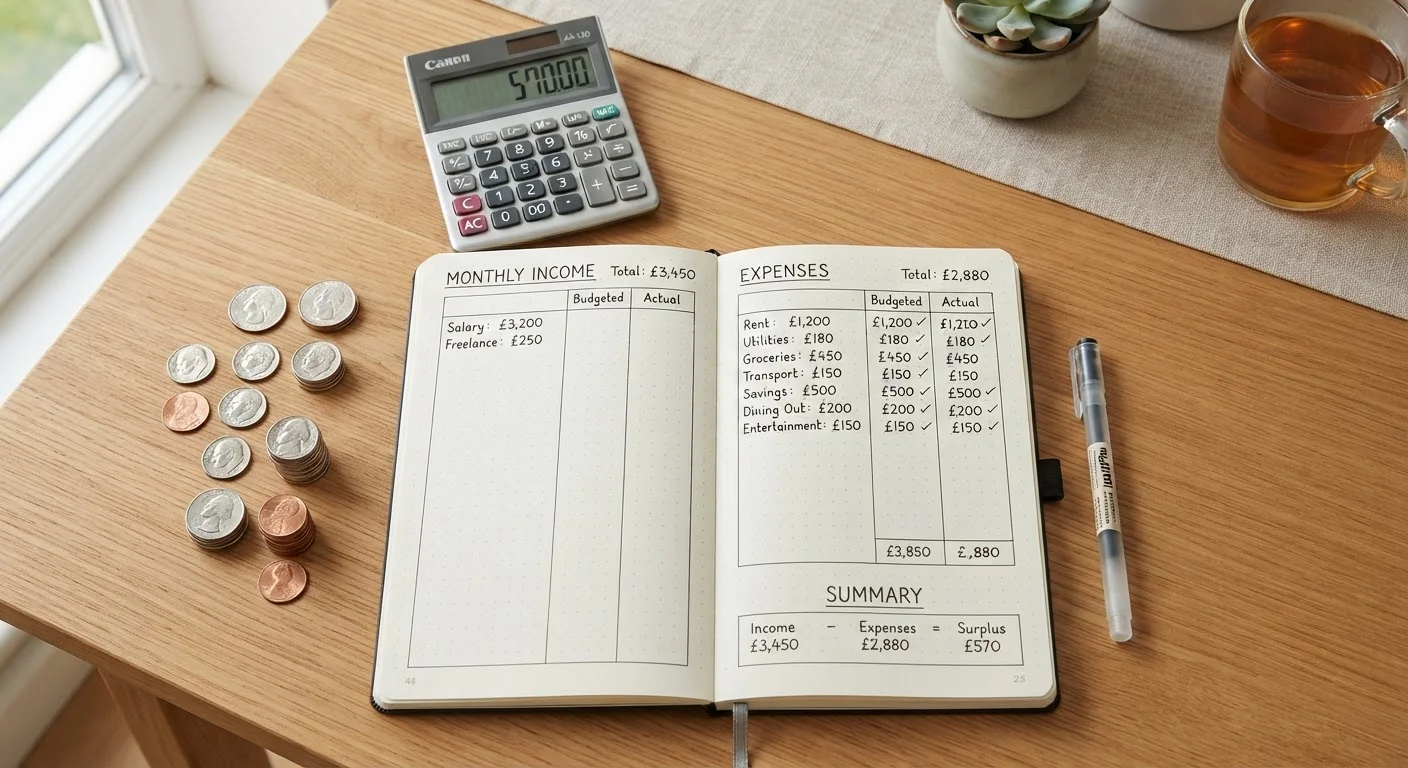
Zero-based budgeting starts fresh each month. You list every source of income, then plan specific allocations - rent, groceries, car payment, savings contributions, coffee budget, entertainment - until income minus all allocations equals zero. Nothing is left unassigned. This doesn't mean spending everything; savings and investments are planned expenses in this system. For a detailed walkthrough, our guide on zero-based budgeting explains the process step by step.
| Criterion | 50/30/20 Budgeting | Zero-Based Budgeting |
|---|---|---|
| Structure | Three broad percentage categories | Line-item allocation for every dollar |
| Monthly setup time | Under 10 minutes | 30-60 minutes or more |
| Ongoing tracking effort | Low - periodic category checks | High - regular line-item monitoring |
| Best income type | Stable, salaried income | Variable or irregular income |
| Flexibility | High - adjustable percentages | Moderate - rebuilt monthly |
| Spending visibility | Category-level overview | Full dollar-by-dollar detail |
| Ideal for debt payoff | Moderate - 20% bucket guides it | Strong - debt gets explicit allocation |
| Beginner-friendliness | Very accessible | Steeper learning curve |
Time, Effort, and Ongoing Maintenance
One of the most practical differences between these two methods is how much time they require each month.
The 50/30/20 framework is designed to be lightweight. Once you know your take-home income and your fixed expenses, you can calculate your spending limits in under ten minutes. Monthly maintenance usually involves a quick scan of spending to confirm you haven't drifted significantly outside the bands. Many people pair it with automatic transfers to savings, which further reduces active management.
Zero-based budgeting is considerably more time-intensive. Each new month requires rebuilding the entire plan - accounting for every anticipated expense, adjusting for irregular bills like car registration or annual subscriptions, and then tracking actual spending throughout the month to ensure allocations hold. Apps and spreadsheet templates reduce friction, but the method still demands consistent engagement.
~33%
Americans with a detailed household budget
Gallup polling has consistently found that fewer than one-third of U.S. adults maintain a detailed written or tracked household budget.
20%
Savings and debt repayment target under 50/30/20
The 20% savings guideline in the 50/30/20 framework aligns broadly with recommendations from many personal finance educators for building an emergency fund and contributing to retirement.
If you are new to budgeting entirely, starting with a simpler structure before moving to zero-based can build the habits and income awareness that more detailed planning requires. Our introduction to personal budgeting covers those foundational steps.
Which Situations Suit Each Method
No budgeting method works equally well for every household. The right fit depends on your income stability, financial goals, and how closely you want to monitor spending.
The 50/30/20 rule tends to work well when income is predictable, expenses are fairly stable month to month, and the primary goal is ensuring savings happen consistently. It is also useful as a diagnostic tool - if needs consistently exceed 50% of income, that signals a structural affordability problem worth addressing directly.
Zero-based budgeting tends to deliver stronger results for households carrying high-interest debt, those working toward a near-term savings goal like a down payment, or anyone with variable income from freelancing, seasonal work, or commission-based pay. Because each month's budget is rebuilt from scratch, it naturally accommodates income swings rather than forcing irregular earners into rigid percentage splits.
A Hybrid Approach Is Legitimate
You are not required to pick one framework and stick to it rigidly. Many financially organized households use 50/30/20 as a sanity check on overall category balance while applying zero-based detail within specific spending areas - particularly discretionary spending. The goal of any budget is sustained financial progress, not methodological purity. Start with what you will actually use, and refine from there.
It is also worth noting that some households use a hybrid approach: applying 50/30/20 as a high-level check on category balance while using zero-based line items within the wants and needs buckets. This kind of adaptation is explored further in our overview of budgeting approaches compared.
This article is for general informational and educational purposes only and does not constitute personalized financial advice. For guidance tailored to your specific financial situation, consult a qualified financial professional.