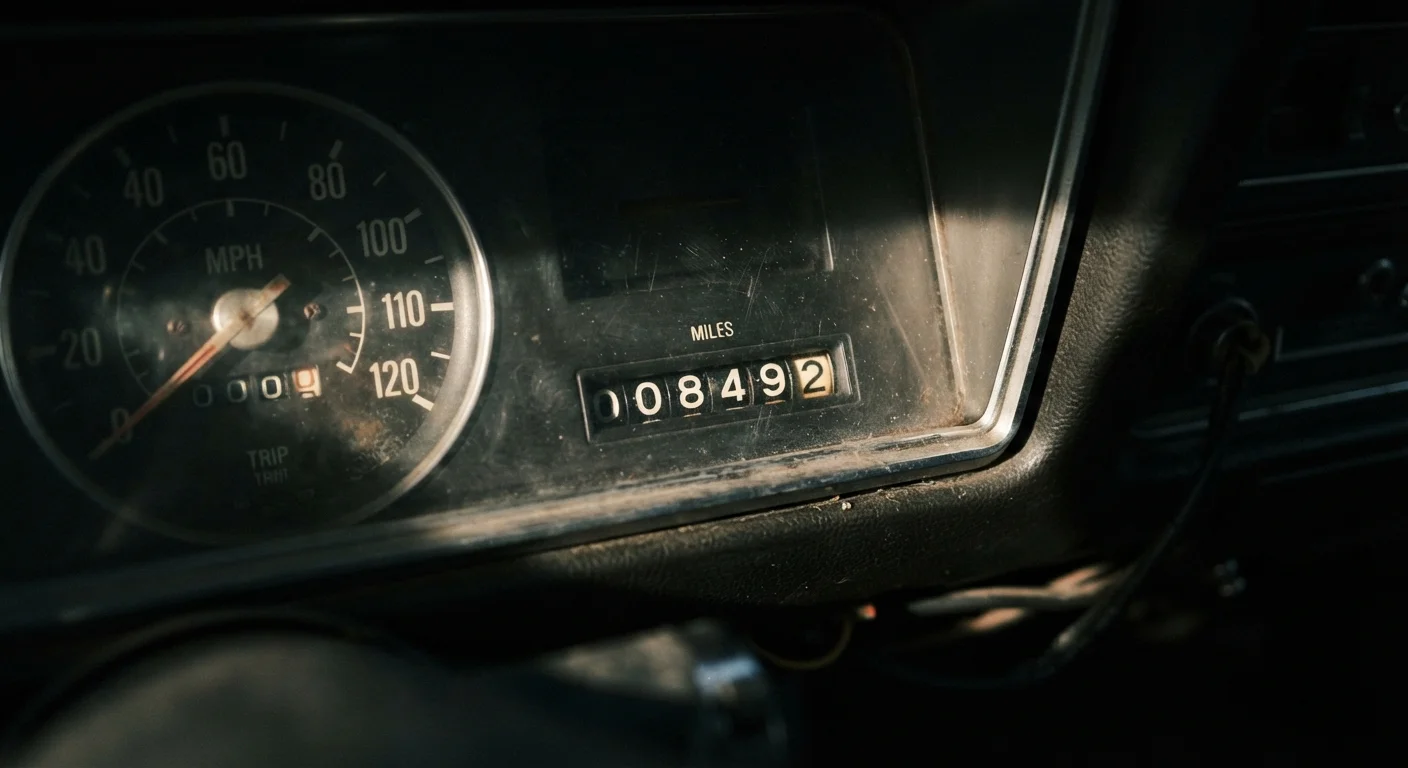
Why Odometer Fraud Persists
Mileage is one of the most powerful pricing levers in the used-car market. A vehicle showing 40,000 miles commands a meaningfully higher price than the same model showing 100,000 - and that price gap creates a clear financial motive for fraud. According to NHTSA estimates, approximately 1.6 million tampered vehicles enter the U.S. used-car market every year, costing buyers an estimated $1 billion in inflated prices collectively.
The transition from mechanical to digital odometers reduced some older forms of tampering - like physically spinning the dial back - but it did not eliminate fraud. Instead, it shifted the method. Today, bad actors use electronic reprogramming devices that interface with a vehicle's onboard computer, resetting the mileage figure stored in the odometer control module. The change can be difficult to detect without the right tools or records.
~1.6M
Tampered vehicles sold annually in the U.S.
According to NHTSA estimates, approximately 1.6 million odometer-fraud vehicles enter the used-car market each year.
~$1B
Annual consumer cost of odometer fraud
NHTSA has estimated that odometer fraud costs American used-car buyers roughly $1 billion per year in inflated purchase prices.
Federal crime
Legal status of odometer tampering
The Motor Vehicle Information and Cost Savings Act makes odometer fraud a federal offense carrying civil and criminal penalties.
Physical Red Flags Worth Inspecting
The odometer number is easy to alter. The wear on a car's body is not. When evaluating a used vehicle, pay close attention to components that accumulate wear in direct proportion to use:
- Driver's seat bolster: Heavy sagging or cracking on a car claiming low miles is a mismatch that deserves explanation.
- Brake and accelerator pedals: Rubber pedal pads on a claimed low-mileage vehicle should show minimal wear. Worn-through rubber or deeply grooved metal beneath is a warning sign.
- Steering wheel: Significant fading, cracking, or worn grip texture on a supposedly low-mileage car suggests far more use than the dashboard indicates.
- Door and window switches: Frequently touched controls tend to show rubbed or faded markings over time.
No single worn component is conclusive on its own, but a pattern of wear that contradicts stated mileage warrants serious scrutiny. An independent pre-purchase inspection by a trusted mechanic is always a sound investment before finalizing any used-car purchase.
Book a Pre-Purchase Inspection
Before committing to any used-car purchase, arrange for an independent mechanic - one not affiliated with the seller - to inspect the vehicle. A trained eye can identify wear patterns inconsistent with claimed mileage and spot other mechanical issues that add to the total cost of ownership. Most inspections cost between $100 and $200 and can save thousands.
Using Records to Verify Mileage Claims
Documentation is your most reliable defense against odometer fraud. Several record sources can help you build a timeline of a vehicle's actual mileage:
- Vehicle history reports
- Services that aggregate odometer readings from inspections, registrations, and insurance events can reveal sudden unexplained drops in recorded mileage - a classic signature of rollback. Learn how to read a vehicle history report to get the most out of this tool.
- Maintenance stickers
- Oil change stickers inside the doorjamb or on the windshield often record mileage at service dates. A sticker showing 95,000 miles from two years ago conflicts sharply with a current odometer reading of 60,000.
- Service records
- Dealership or shop service invoices typically include mileage at the time of the visit. Ask for these records and look for a consistent upward trend.
- State inspection records
- Many states record odometer readings during annual safety or emissions inspections. These figures can surface discrepancies that history report providers may not yet have captured.
Understanding how mileage affects resale value also helps you recognize when a deal is suspiciously priced relative to the claimed reading - which can itself be a signal worth investigating.
What to Do If You Suspect Fraud
If inspection or records raise doubts about a vehicle's stated mileage, the safest course is to walk away. A car with integrity concerns is rarely worth the risk, regardless of how attractive the price appears. If you have already purchased a vehicle and later discover evidence of tampering, federal law offers recourse. The federal odometer statute allows defrauded buyers to seek damages - including civil penalties - through the courts. Filing a complaint with NHTSA and your state attorney general's office also helps authorities identify repeat offenders.
For sellers of genuinely high-mileage vehicles, it's worth noting that transparency is both the legal and the practical path forward. Selling a high-mileage car honestly, with realistic pricing and proper documentation, builds buyer confidence rather than eroding it.
This article is for general informational and educational purposes only. It does not constitute legal advice. If you believe you have been a victim of odometer fraud, consult a qualified consumer protection attorney for guidance specific to your situation.