Why Personal Style Isn't the Same as Following Trends
Walk into any conversation about style and you'll likely hear trends mentioned within seconds. What's in for fall? What's out? What should you be wearing right now? It's exhausting - and it misses the point entirely.
Personal style and fashion trends are related, but they're not the same thing. Trends are collective and seasonal - they reflect what the industry is producing and promoting at a given moment. Personal style, on the other hand, is individual and durable. It's the aesthetic thread that runs through everything you wear, regardless of what's on the runways or in store windows.
Think of it this way: trends are the weather, and personal style is your climate. You adapt to the weather, sure, but your underlying preferences stay consistent. That's what makes personal style so powerful - it gives you a stable foundation that doesn't collapse every six months when a new season drops. For a deeper look at how these two ideas compare, see the difference between personal style and fashion trends.
“Style is a way to say who you are without having to speak.”
— Rachel Zoe, Fashion designer and stylist
What Actually Shapes Your Personal Style
Personal style doesn't appear out of nowhere. It's shaped by a combination of factors that are deeply specific to you.
- Personality and values: Are you drawn to minimalism or maximalism? Do you value comfort above all else, or does dressing up energize you? Your answers reflect who you are at your core.
- Lifestyle and context: Someone who works in a creative studio has different daily dressing needs than someone in a corporate office or a physical job. Authentic personal style works within your real life, not an aspirational one.
- Body awareness and comfort: Knowing what silhouettes and fits feel good - not just look good on a hanger - is central to building a style that you'll actually wear consistently.
- Cultural identity and community: Style is also a form of connection. Heritage, subcultures, and community aesthetics all inform how people express themselves through clothing.
None of these factors require a fashion vocabulary or a high budget. They just require honest self-reflection - which, admittedly, takes a little practice. If you're starting from scratch, finding your style identity from scratch is a great place to begin.
~85%
People who say clothing affects their confidence
A widely cited survey by the American Psychological Association found that a large majority of respondents reported that what they wear influences how confident they feel.
2.5 billion
Items of clothing produced globally each year
Industry estimates suggest the global fashion industry produces billions of garments annually, making selective, intentional purchasing more relevant than ever.
Style as a Tool for Everyday Confidence
Here's something the trend cycle rarely acknowledges: having a clear personal style makes life genuinely easier. When you know what you like and why you like it, getting dressed stops being a daily puzzle. You stop buying things that don't work together and start building a wardrobe where almost everything pairs naturally.
Research in environmental psychology and behavioral science consistently suggests that what we wear influences how we feel and perform - a concept sometimes called enclothed cognition. The idea isn't that expensive clothes make you more capable, but that wearing something that feels authentically yours creates a kind of internal alignment that shows up in how you carry yourself.
This is also why chasing trends without a personal filter can leave you feeling oddly disconnected - you're wearing what's popular, but none of it quite feels like you. To understand what timeless style actually means, it helps to separate the concept from the noise and focus on what truly resonates with you.
A Simple Self-Reflection Exercise
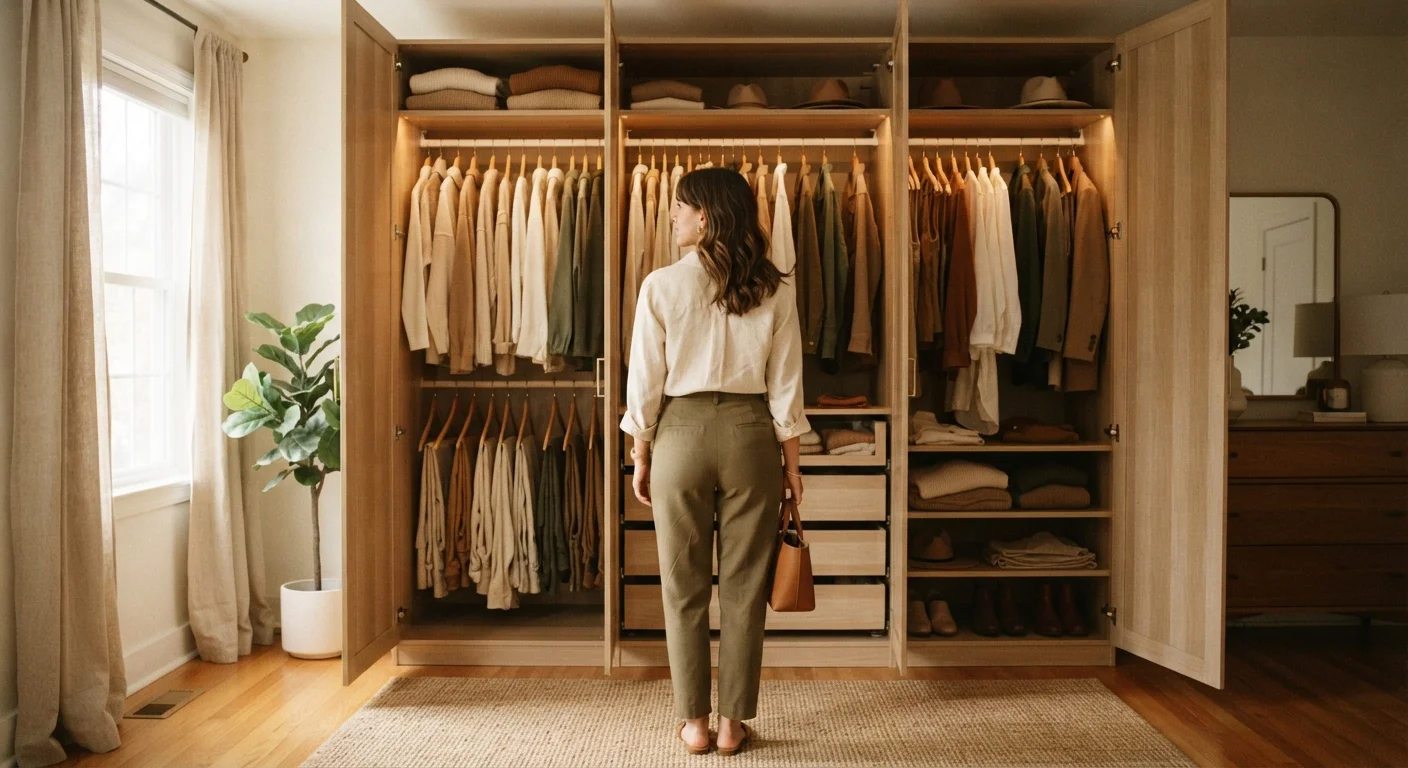
Pull out five to ten outfits you genuinely love wearing - not what you think you should wear, but what you actually reach for. Lay them out and look for common threads: recurring colors, similar silhouettes, consistent fabric choices. Those patterns are the raw material of your personal style. Start there.
How to Start Developing Your Own
The good news is that personal style isn't something you either have or don't - it's something you develop through attention and intention over time. Here are a few practical starting points:
- Audit what you already reach for. The clothes you wear on repeat are telling you something. Notice the patterns - color, fit, fabric, formality level.
- Identify what you avoid and why. Are there items in your wardrobe you never touch? Understanding why reveals your real preferences, not just your aspirational ones.
- Choose a few anchoring principles. Rather than copying a single style archetype, identify two or three recurring elements that feel genuinely like you - a preference for neutral palettes, structured silhouettes, or natural fabrics, for example.
- Engage with trends selectively. How trends work matters because it helps you filter which ones are worth adopting into your existing aesthetic and which ones you can confidently skip.
Style doesn't require a dramatic overhaul. It's built gradually through small, deliberate choices - and personal style on a realistic budget is entirely achievable when you prioritize principles over price tags. When you're ready to take it further, explore dressing with intention to build and maintain a wardrobe that consistently reflects who you are.