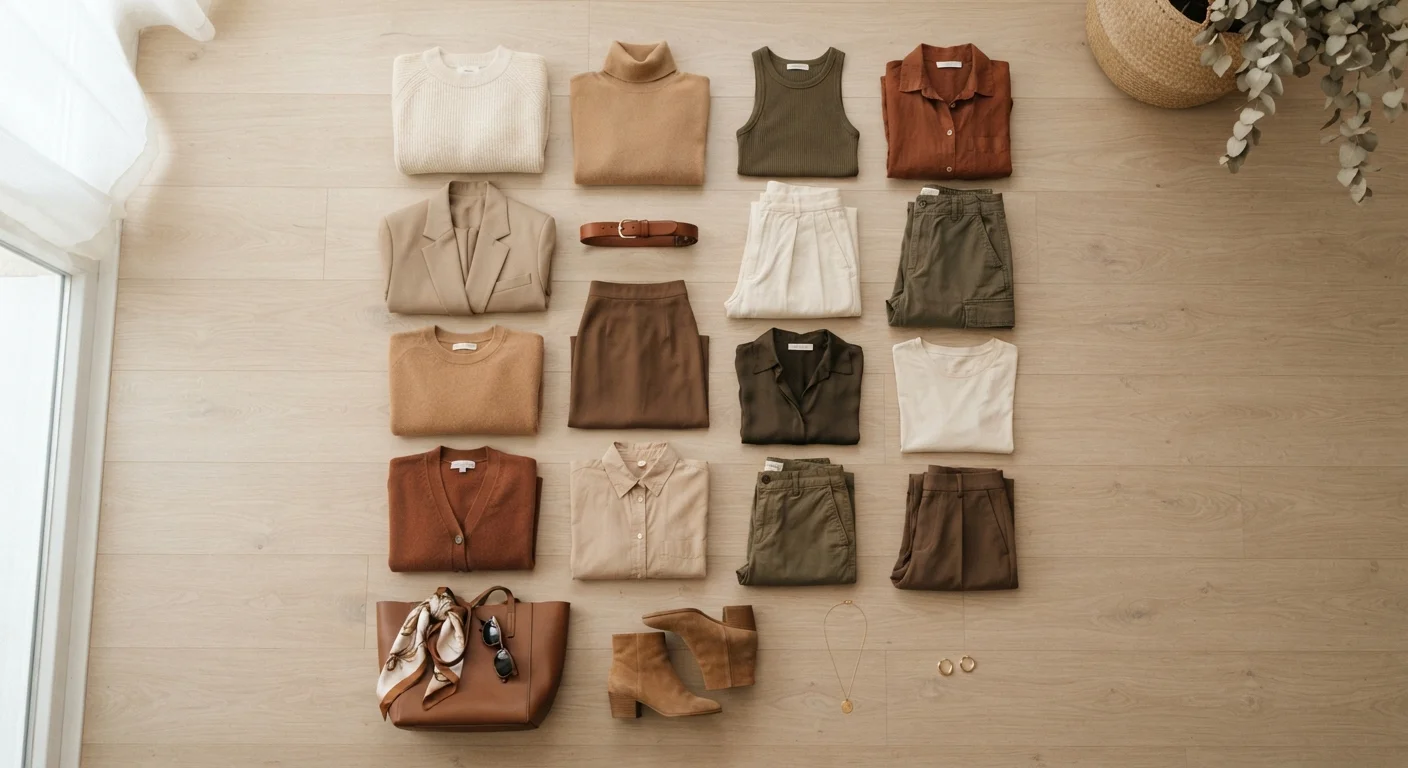
Why Intentional Dressing Feels Different
There's a real difference between having lots of clothes and having a wardrobe that works. The first is a quantity problem; the second is a clarity problem. Dressing with intention means making choices that are grounded in self-knowledge - understanding your lifestyle, your aesthetic instincts, and the kinds of outfits that genuinely make you feel like yourself.
That clarity doesn't arrive fully formed. It builds through small, deliberate practices repeated over time. For a fuller picture of the journey from curiosity to a fully realized aesthetic, this end-to-end guide walks through every stage. What follows are the practical habits that keep a personal style coherent once you've begun to find it.
“Style is a way to say who you are without having to speak.”
— Rachel Zoe, Fashion designer and stylist
The Core Practices That Create Coherence
A coherent personal style isn't built on having the right pieces - it's built on the right approach to how you think about, organize, and wear what you own. These practices address the most common points where style intention breaks down.
Audit your wardrobe against your actual daily routine
A wardrobe built around an imagined lifestyle creates daily friction and decision fatigue. When your clothes reflect where you actually go and what you actually do, getting dressed becomes effortless and satisfying. This alignment is the foundation of a wardrobe that feels genuinely yours.
Define a core color palette and work within it deliberately
A consistent color story is one of the fastest ways to make a wardrobe feel cohesive rather than chaotic. When your foundational pieces share a palette, mixing and matching becomes intuitive. It also reduces the risk of impulse purchases that look great in isolation but never integrate with anything you own.
Identify and repeat the silhouettes that consistently feel right on you
Silhouette - the overall shape a garment creates - is a major driver of how put-together an outfit looks, and it's often more about personal proportion than trend. Returning to shapes that feel comfortable and intentional builds a recognizable visual signature without any extra effort.
Edit regularly by removing pieces that no longer belong
Adding pieces without removing others dilutes the coherence of your wardrobe over time. Regular editing keeps your options clean and ensures that everything you see when you open your closet is genuinely in play. It also sharpens your sense of what you actually want, making future choices more precise.
Build outfits around a single focal point rather than competing statements
When every element of an outfit is demanding attention, nothing reads clearly. Choosing one piece to do the expressive heavy lifting - a standout texture, an interesting cut, a bold color - and letting the rest support it creates balance and intention. This is a simple framework that consistently produces polished results.
Document combinations that genuinely work for you
Most people rediscover great outfit combinations by accident and then forget them. Keeping a simple record - even just a few phone photos - creates a personal reference point that eliminates decision fatigue and helps you understand your own aesthetic more clearly over time.
Understanding how colors interact is also a powerful lever. Color theory for everyday dressing explains the fundamentals in approachable terms. And if proportion is something you've struggled to pin down, this piece on proportion makes the concept clear and practical.
Style and self-expression evolve over time
Your aesthetic doesn't need to be fixed forever to be coherent. Many people find their style shifts significantly across different life stages, jobs, or living environments. Coherence is about internal consistency at any given point - not permanent rigidity. Allow yourself to grow while staying intentional about each shift.
Start Small: Quick Wins You Can Act on Today
You don't need a full wardrobe overhaul to start dressing with more intention. These small actions create immediate clarity and build the kind of self-awareness that makes every future style decision easier.
For more on building a style that works within real financial constraints, personal style on a realistic budget shows how principles - not price tags - drive lasting coherence. And once the foundations are in place, these styling habits help make the whole process feel genuinely effortless over time.