Why Clothes Communicate
Long before language was written down, humans used dress to signal tribe membership, social rank, and ritual roles. That instinct hasn't gone anywhere. Today, every outfit you put on functions as a message - one that's decoded in seconds by everyone around you.
This isn't about vanity or shallow judgment. It's about how humans are wired. We are pattern-recognising creatures, and clothing gives us dense, fast information about who someone might be, what role they're playing today, and whether they're likely to share our values. Understanding this process puts you in the driver's seat of your own narrative.
Clothing meaning isn't fixed. A worn denim jacket reads as rebellious at a concert, creative in a design studio, and nostalgic at a family barbecue - same garment, three very different signals. Context is always part of the equation. Explore what your wardrobe choices reveal about your self-image to dig deeper into the psychology at play.
55%
Of first impressions attributed to appearance
Communication researchers have long cited visual cues - including clothing - as a dominant factor in how initial judgments are formed in face-to-face interactions.
7 seconds
Average time to form a first impression
Psychology studies suggest most people form an initial impression within seconds of meeting someone, with clothing playing a significant role in that rapid assessment.
3x
More likely to be seen as competent when dressed formally
Research in social perception has found that formal dress is consistently associated with higher perceived competence and authority in professional contexts.
What Different Garment Types Signal
Specific clothing categories have accumulated social meaning over time through repeated use in particular contexts. Here's how some common categories are generally read:
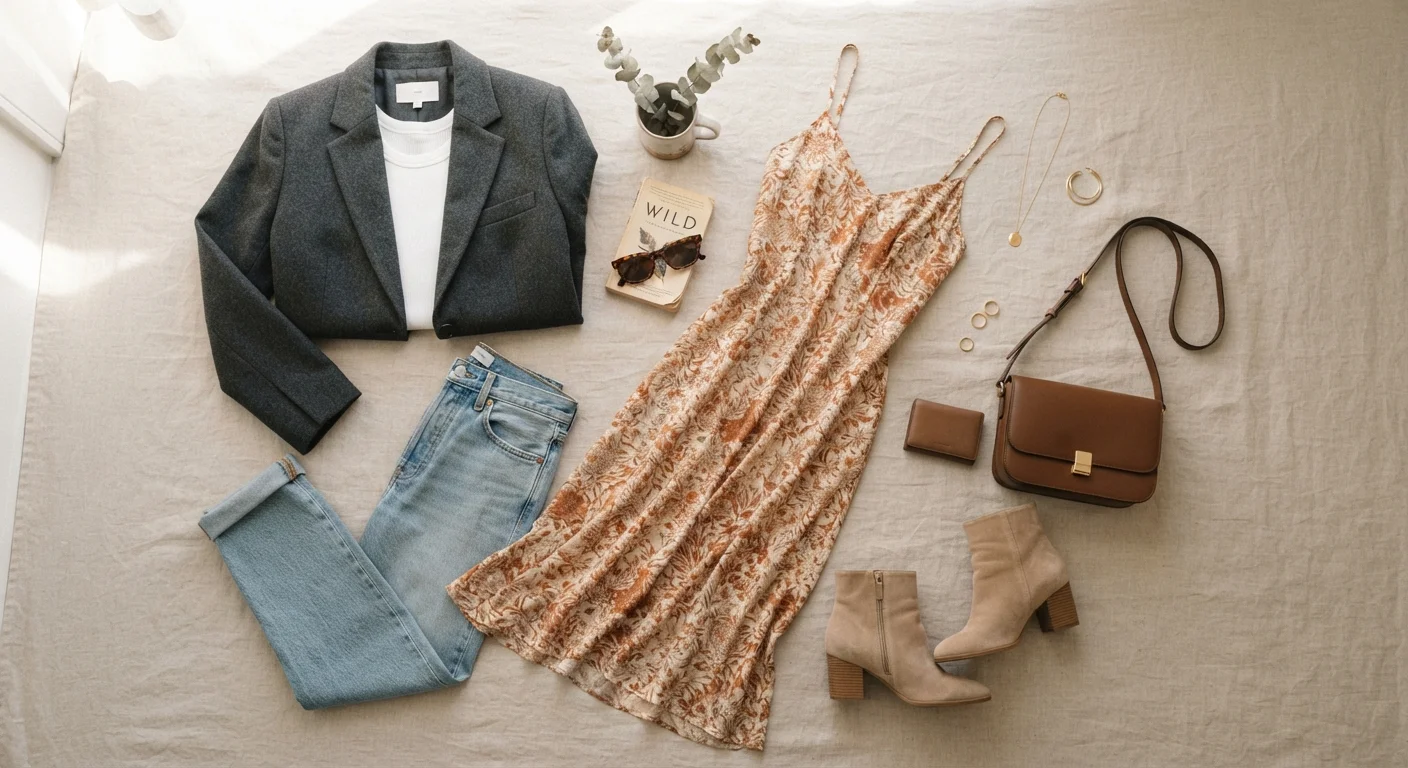
- Structured blazers and tailored pieces signal authority, competence, and professional engagement. They borrow meaning from formal workplace codes that have defined power dressing for generations.
- Loose, flowy silhouettes tend to read as relaxed, creative, or bohemian - communicating ease and approachability over control.
- Athletic and performance wear has shifted dramatically. Once confined to gym contexts, it now signals health consciousness, informality, and in some streetwear contexts, cultural currency.
- Formal gowns and dress suits signal ceremony, respect for occasion, and social investment - essentially telling others that this moment matters to you.
- Workwear and utilitarian clothing - think carpenter pants, heavy-duty boots, or coveralls - carry signals of practicality, groundedness, and increasingly, an anti-fashion aesthetic that values function.
Garment choice is never isolated. How pieces are combined, fitted, and accessorised layers additional meaning on top of the base signal. Learn why the same garment reads differently on different people - fit and proportion are enormous variables.
Color, Fabric, and the Finer Details
Beyond garment type, color and fabric each carry their own communicative weight. Color is perhaps the most emotionally immediate signal - it registers before the brain has processed shape or cut. Understanding basic color theory can transform how intentionally you use this tool.
Fabric texture adds nuance. Matte, heavy fabrics like wool and thick cotton project seriousness and substance. Sheer, lightweight, or iridescent materials lean into softness, femininity, or playfulness depending on how they're styled. Distressed or worn textures signal informality, nostalgia, or counter-cultural alignment.
Build Your Signal Vocabulary
Before your next shopping trip or wardrobe edit, write down three words you want your style to communicate - for example, 'calm, creative, capable.' Use these as a filter: does this piece reinforce those signals? This simple exercise can clarify purchasing decisions and reduce wardrobe noise considerably.
Even small details - lapel width, hem length, collar style - carry cultural memory. A wide lapel echoes a particular decade; a mandarin collar nods to a specific design heritage. These micro-signals are often absorbed unconsciously by observers but contribute to the overall impression.
For a closer look at how fabric itself affects garment performance and meaning, reading clothing labels is a practical place to start.
Using the Language Intentionally
Knowing that clothes communicate is only useful if you apply it. Developing a signature style means deciding which signals you want to send consistently - and then curating a wardrobe that sends them reliably.
That process starts with honest self-reflection: What do you want people to understand about you at first glance? What qualities matter most - warmth, creativity, authority, ease? Once you have language for your values, you can evaluate each wardrobe piece against it. Does this garment say what I want to say in the contexts I actually live in?
“Fashion is the armor to survive the reality of everyday life.”
— Bill Cunningham, Pioneering fashion photographer and cultural observer
This isn't about wearing a costume or performing a version of yourself that feels hollow. The most resonant personal styles are the ones where the signals chosen genuinely align with the person wearing them. Authenticity reads - just like its absence does.
For a structured approach to building that coherence, dressing with intention walks through the practices that make a personal style feel consistent and real. And when you're ready to think about your wardrobe as a whole, the Everyday Fashion hub is a practical starting point.