Two Words, Two Very Different Outcomes
The words cheap and inexpensive get used interchangeably at the checkout line, but they describe fundamentally different things. Inexpensive simply means a low price. Cheap means a low price and low quality - and that combination tends to cost you more in the long run. As the language we use about money suggests, these distinctions aren't just semantic - they shape real purchasing decisions.
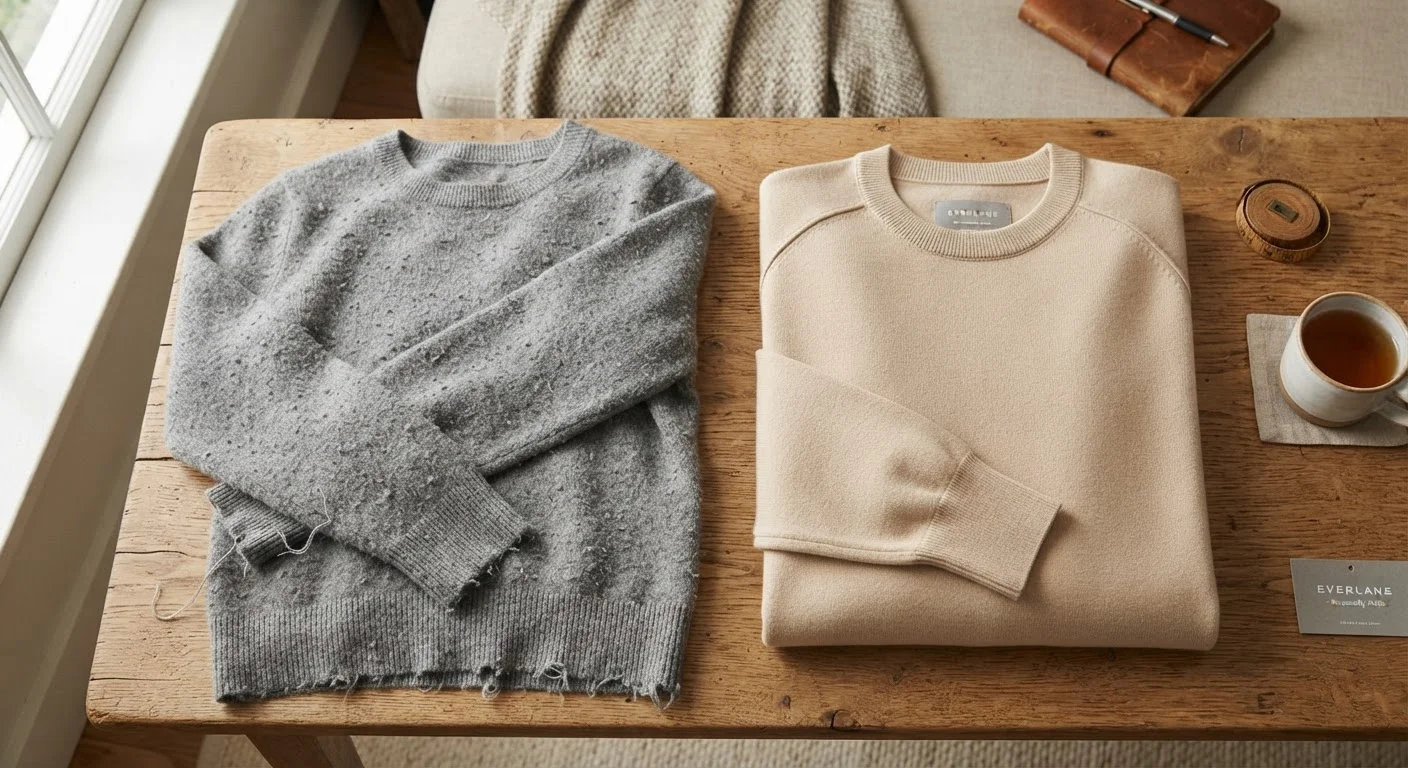
Think of it this way: a well-constructed cotton T-shirt found on clearance is inexpensive. A tissue-thin shirt that pills after two washes and loses its shape by the third wear? That's cheap - regardless of whether it cost the same amount. The gap between the two lives in construction details, fabric quality, and how an item behaves once it leaves the hanger.
| Criterion | Cheap Clothing | Inexpensive Clothing |
|---|---|---|
| Price point | Very low | Low to moderate |
| Construction quality | Minimal; loose threads, uneven seams | Solid; clean seams, proper finishing |
| Fabric quality | Underweight, scratchy, or poor recovery | Appropriate weight and breathability |
| Durability after washing | Fades, pills, or distorts quickly | Holds shape and colour with care |
| Cost-per-wear value | Often poor due to short lifespan | Strong when worn regularly |
| Best use case | Single or very limited use | Everyday wear and capsule wardrobe |
What 'Cheap' Actually Looks Like
Cheap clothing has a set of telltale signs that reveal themselves quickly - sometimes before you even try it on. Run your fingers along the seams: are they straight, tight, and cleanly finished on the inside, or do threads hang loose? Hold the fabric up to the light: if it's almost translucent when it shouldn't be, the material is underweight. Stretch it gently; quality knit fabric bounces back, while cheap fabric stays distorted.
Other red flags include zippers that snag immediately, buttons sewn with minimal thread, patterns that don't align at the seams, and synthetic fabrics that feel scratchy or don't breathe. These aren't minor aesthetic issues - they predict how fast an item will degrade. Fast fashion's trade-offs often include exactly these shortcuts, prioritising volume over construction at every step.
3 years
Average lifespan of a fast-fashion garment
Research from the Ellen MacArthur Foundation suggests many clothing items are discarded within a few years of purchase, often before they wear out structurally.
~60%
Decline in clothing use per item over 15 years
The Ellen MacArthur Foundation's 2017 report on the circular economy in fashion found garment utilisation dropped significantly as purchase volume increased.
How to Spot Genuinely Inexpensive (But Quality) Pieces
Great affordable clothing exists - and finding it is a skill worth developing. Start with fabric composition. Natural fibres like cotton, linen, and wool blends generally hold up better than 100% acrylic or very thin polyester. That said, some performance polyesters and poly-cotton blends are genuinely durable, so look at weight and weave rather than fibre content alone.
Next, check the seams inside the garment. Overlocked or flat-felled seams are stronger and less likely to unravel. Examine the hem: a hand-stitched or cleanly machine-stitched hem signals more careful construction than a glued or barely stitched one. Fit matters too - fit and fabric behaviour are what make clothing look elevated, not a high price tag.
If you're evaluating value more holistically, the concept of true value for money is your best guide: weigh cost against likely longevity, versatility, and how often you'll actually wear it.
Price Alone Won't Tell You Everything
Some higher-priced garments share the same construction shortcuts as cheap ones - and some budget-friendly retailers genuinely invest in fabric and seam quality. The same evaluation skills apply regardless of price tier. Always check the construction details in person when possible, and when shopping online, look for detailed fabric composition information and honest customer reviews that mention durability after washing.
The Cost-Per-Wear Equation
Here's the reframe that changes everything: stop thinking in sticker prices and start thinking in cost-per-wear. A $15 shirt worn twice before it falls apart costs $7.50 per wear. A $40 shirt worn 60 times over two years costs less than $0.70 per wear. Rethinking what expensive actually means through this lens makes the math surprisingly clear.
This doesn't mean you should always spend more - it means you should spend smarter. For trend-driven pieces you'll wear for one season, a lower-cost option may make perfect sense. For wardrobe workhorses - a well-fitting dark jean, a structured blazer, a versatile knit - investing in inexpensive-but-durable construction pays off over time. And if budget planning is part of your broader approach to spending, basic budgeting strategies can help you allocate clothing spend more intentionally across the year.