Why We Equate Price with Polish
There's a deeply ingrained cultural shorthand that says spending more money on clothing will automatically make you look more put-together. It's understandable - premium brands invest heavily in marketing that links their price points to status, craftsmanship, and aspirational identity. But the actual visual cues that make an outfit read as elevated have very little to do with what you paid.
Researchers who study consumer behavior have noted that people often use price as a proxy for quality when they lack other reliable information. In fashion, that gap between perception and reality is especially wide. The good news? Once you understand what actually drives a polished look, you're empowered to dress confidently at any budget. See our personal style tips for more on building a wardrobe that works for you.
Myth
If I spend more on clothing, I'll automatically look more polished and put-together.
Fact
Perceived quality is driven by fit, fabric behavior, and coordination - not the number on the price tag.
Research on consumer perception consistently shows that observers cannot reliably identify expensive clothing by sight alone when fit and fabric quality are held equal. What they respond to are visual cues: smooth drape, clean lines, and intentional color choices. A well-fitted, well-maintained affordable garment regularly outscores an expensive but poorly fitted one in blind assessments.
Myth
Designer or luxury labels always use better fabrics and construction than affordable brands.
Fact
Fabric and construction quality vary widely within every price tier - including luxury.
Some premium brands do invest in superior materials and handcraftsmanship. Others charge primarily for the label itself. Conversely, some mid-range and even budget-friendly labels source durable, beautifully behaving fabrics. Reading fabric content labels, checking seam finishing on the inside of a garment, and observing how it drapes will tell you more than the price tag alone.
Myth
Tailoring is only worth it for expensive clothing.
Fact
Tailoring an affordable garment to fit your body is often the highest-return investment in your wardrobe.
A skilled tailor can transform an inexpensive piece into something that looks genuinely custom. Basic alterations - hemming pants, taking in a side seam, adjusting a shoulder - are often quite affordable and dramatically change how a garment reads on the body. The fit improvement is visible; the original price is not.
Myth
Wearing head-to-toe matching or color-coordinated pieces requires buying expensive, curated sets.
Fact
Color coordination is a skill, not a budget requirement - and it's learnable by anyone.
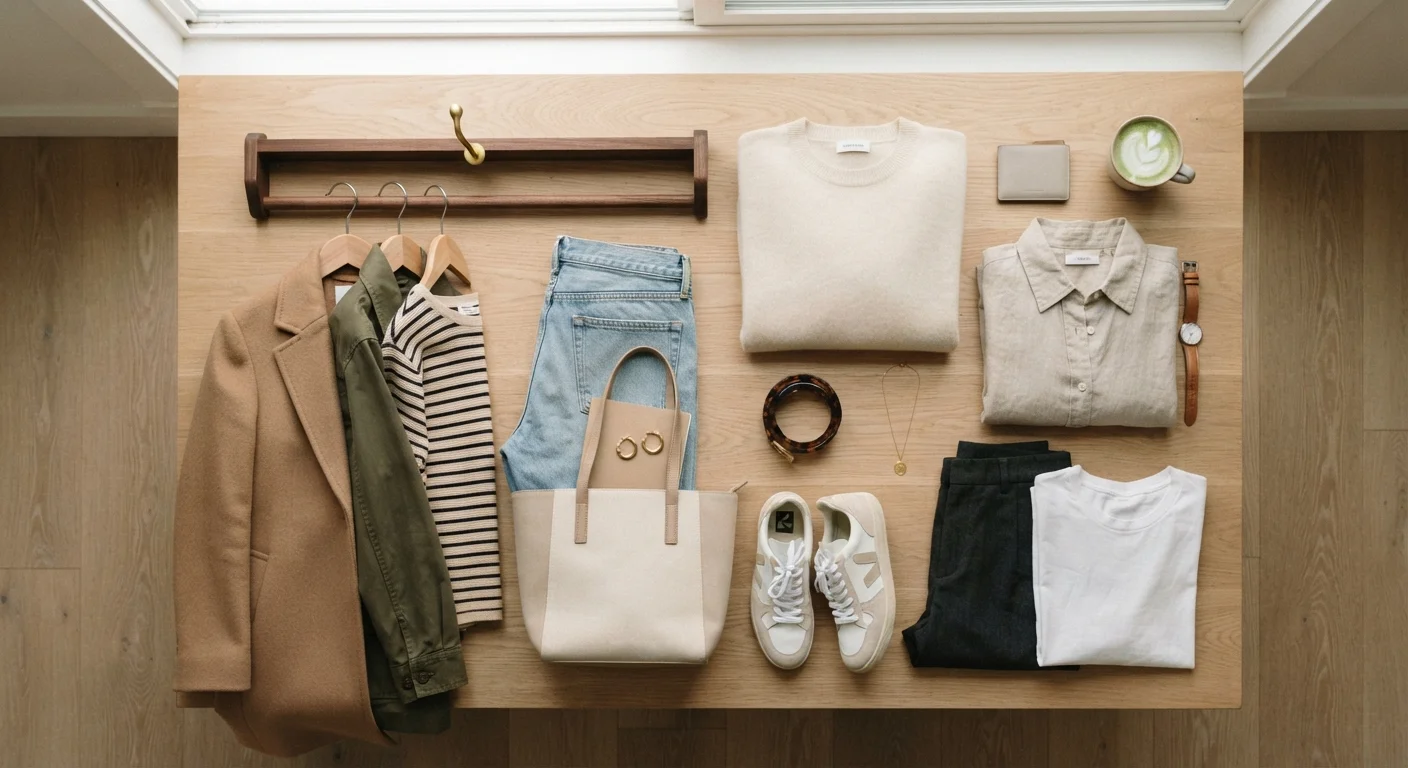
Building a cohesive palette means understanding which tones work together, not spending a fortune on matching sets. A neutral base - navy, grey, camel, white - creates natural harmony across pieces from different sources and price points. Many style educators recommend starting with a limited palette precisely because it makes coordination effortless and outfit-building more intuitive.
The Real Drivers of a Polished Look
If price isn't the deciding factor, what is? Three elements consistently separate outfits that look sharp from those that don't - regardless of what they cost.
Fit Above Everything
Garments that skim the body without pulling, bunching, or drowning a person in excess fabric simply look more intentional. A well-fitted affordable shirt will almost always outshine an expensive one that gaps at the buttons or sags at the shoulders. Many tailors charge relatively modest fees to adjust hems, take in seams, or nip a waist - a small investment that transforms the look of any piece.
How Fabric Behaves
Fabric behavior - the way a material drapes, holds a crease, or recovers its shape - is one of the strongest visual signals of quality. Stiff, pilling, or shapeless fabric reads as cheap even when the label isn't. Meanwhile, many mid-range materials drape beautifully and hold up well with proper care. Learning to feel and observe fabric movement while shopping (online reviews often describe this) is a skill that pays off consistently. For a deeper look at how price and quality actually correlate, check out this examination of the price-quality assumption.
Color and Coordination
A cohesive color palette signals deliberate style. Outfits built around two or three complementary tones read as considered and refined. Mismatched or clashing colors can undermine even the most expensive garment, while a harmonious combination of affordable pieces often looks genuinely elegant. It's worth noting that not all inexpensive clothing is the same - knowing the distinction helps you spend wisely.
~60%
Fit cited as top quality signal
Consumer research from fashion industry surveys consistently finds that fit is cited by roughly 60% of shoppers as the most important factor in whether a garment looks high-quality.
3-4x
Perceived value lift from tailoring
Style experts and tailors commonly report that basic alterations can increase a garment's perceived quality by multiple times its original visual impression.
Rethinking What You're Actually Buying
When you pay a premium for a garment, you may be paying for exceptional craftsmanship - or you may be paying for brand recognition, marketing overhead, and retail markup. These are genuinely different things, and only one of them shows up visually on your body. Common assumptions about brand names versus alternatives often don't hold up under scrutiny, and the same is true in fashion.
A more useful framework than price is cost-per-use: a moderately priced item you reach for three times a week delivers far more value than an expensive statement piece that sits unworn. Rethinking what expensive actually means through a cost-per-use lens changes how you evaluate every purchase. And if a sale is tempting you, consider that discounts don't always equal savings - especially on items that won't earn their place in your regular rotation.
Price Is Not a Reliable Style Signal
Spending more does not guarantee looking better. The visual markers of a polished outfit - fit, drape, and color harmony - are available at every price point. Before assuming a higher price will solve a style challenge, consider whether the real fix is a tailor's adjustment or a more intentional color choice.
This article is for informational and educational purposes only. Style guidance is general in nature and may not apply to every individual's circumstances or preferences.