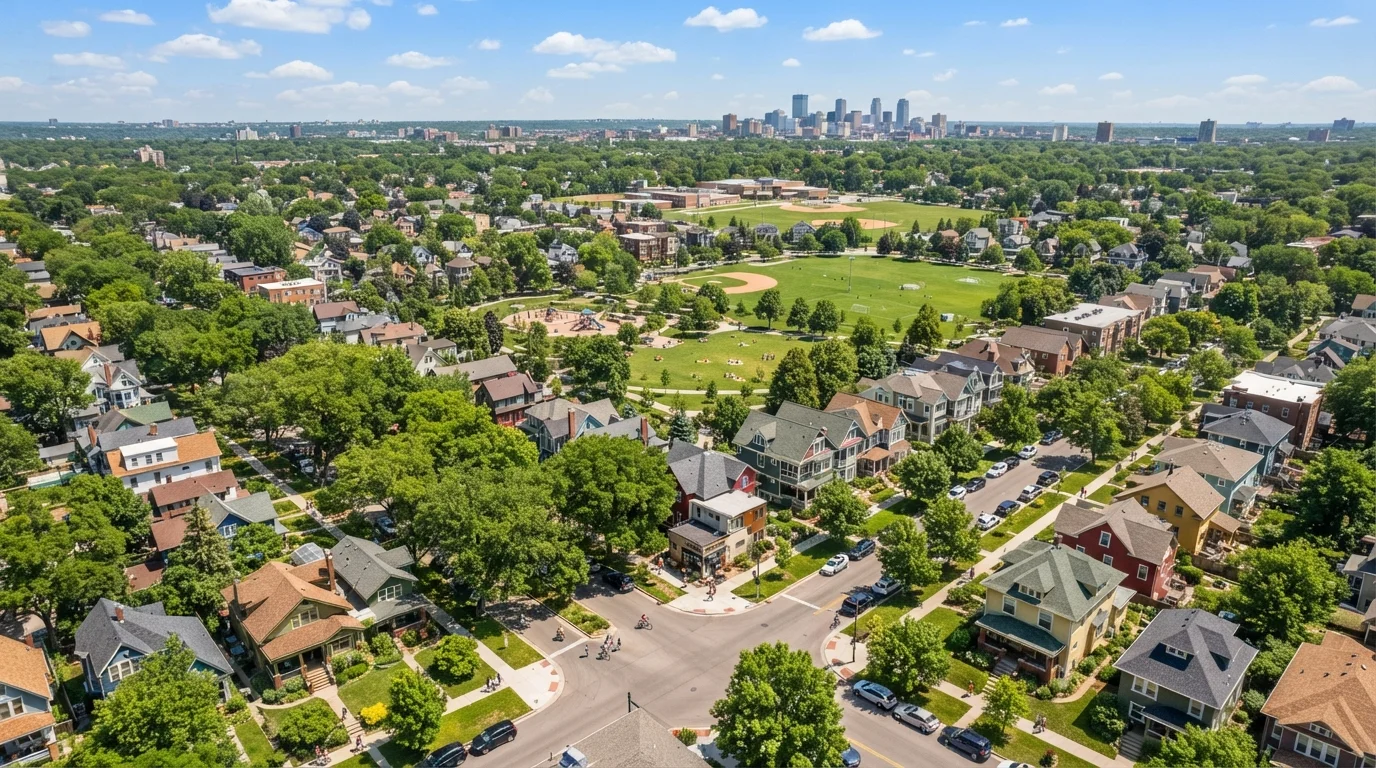
Why Neighborhood Evaluation Deserves Its Own Checklist
Buyers and renters routinely spend weeks scrutinizing square footage, appliance age, and paint colors - then give the surrounding community only a passing glance on moving day. That imbalance is costly. The neighborhood shapes daily life in ways the unit itself cannot: your commute time, your sense of safety, the quality of schools, how easily you can access fresh groceries or urgent care. Understanding which factors actually define neighborhood quality before you sign is one of the most durable investments of time you can make in a housing search.
This checklist organizes neighborhood evaluation into discrete, manageable categories. Work through each group during at least two site visits - one on a weekday, one on a weekend - and supplement with online research. If you're evaluating remotely, our guide on researching a neighborhood without visiting in person can help you cover the same ground digitally before you travel.
Local Police Department Crime Portal
Access publicly reported crime statistics by neighborhood, street, or ZIP code before your visit.
FCC National Broadband Map
Verify actual internet service availability at a specific address rather than relying on provider marketing.
State Department of Education School Boundary Tool
Confirm which public schools serve a given address and review publicly reported performance data.
EPA AirNow Database
Research historical and current air quality index data for any U.S. location.
Municipal Planning or Assessor's Website
Look up zoning designations, pending permits, and approved development projects near a target address.
Mapping or Transit App (offline-capable)
Time actual commute routes and locate transit stops, grocery stores, and healthcare facilities relative to the address.
The Neighborhood Evaluation Checklist
Work through each category systematically. Mark items as confirmed, concerning, or unknown so you have a clear picture of any gaps before committing.
Safety and Crime
Transportation and Commute
Schools and Education
Noise and Environmental Quality
Local Amenities and Services
Infrastructure and Connectivity
Zoning, Development, and Future Plans
Community Character and Social Fit
Don't Rely on a Single Visit or Time of Day
A neighborhood can feel entirely different at 10 a.m. on a Tuesday versus 9 p.m. on a Friday. A quiet street during your showing may be congested or noisy on weekends, or the reverse. Plan at least two visits at different times before drawing conclusions. If your schedule only allows one visit, prioritize late afternoon on a weekday to catch both commute noise and early evening activity.
Once you've completed the checklist, consider asking current residents directly - they know the block in ways data cannot capture. If you're weighing a purchase, also review what most buyers overlook in due diligence, including HOA documents, permit history, and zoning records.
Families with or without children should also look beyond test scores: sidewalks, libraries, and traffic patterns matter just as much as school ratings. And even if you don't have kids, school quality still influences property values and long-term community investment.
Zoning Can Change What Gets Built Next Door
A vacant lot or low-density parcel adjacent to your prospective home may not stay that way. Municipalities can rezone land, approve variances, or permit new construction that significantly alters the character and noise level of a block. Always check current zoning designations and search for pending applications before committing. Our guide on how zoning shapes neighborhood character explains what to look for and where to find it.
If time and logistics allow, renting in the area before buying remains one of the most reliable ways to validate everything this checklist uncovers.
This article provides general real estate information and education only. It is not legal, financial, or investment advice. Consult a licensed real estate professional, attorney, or financial adviser before making any housing decision.