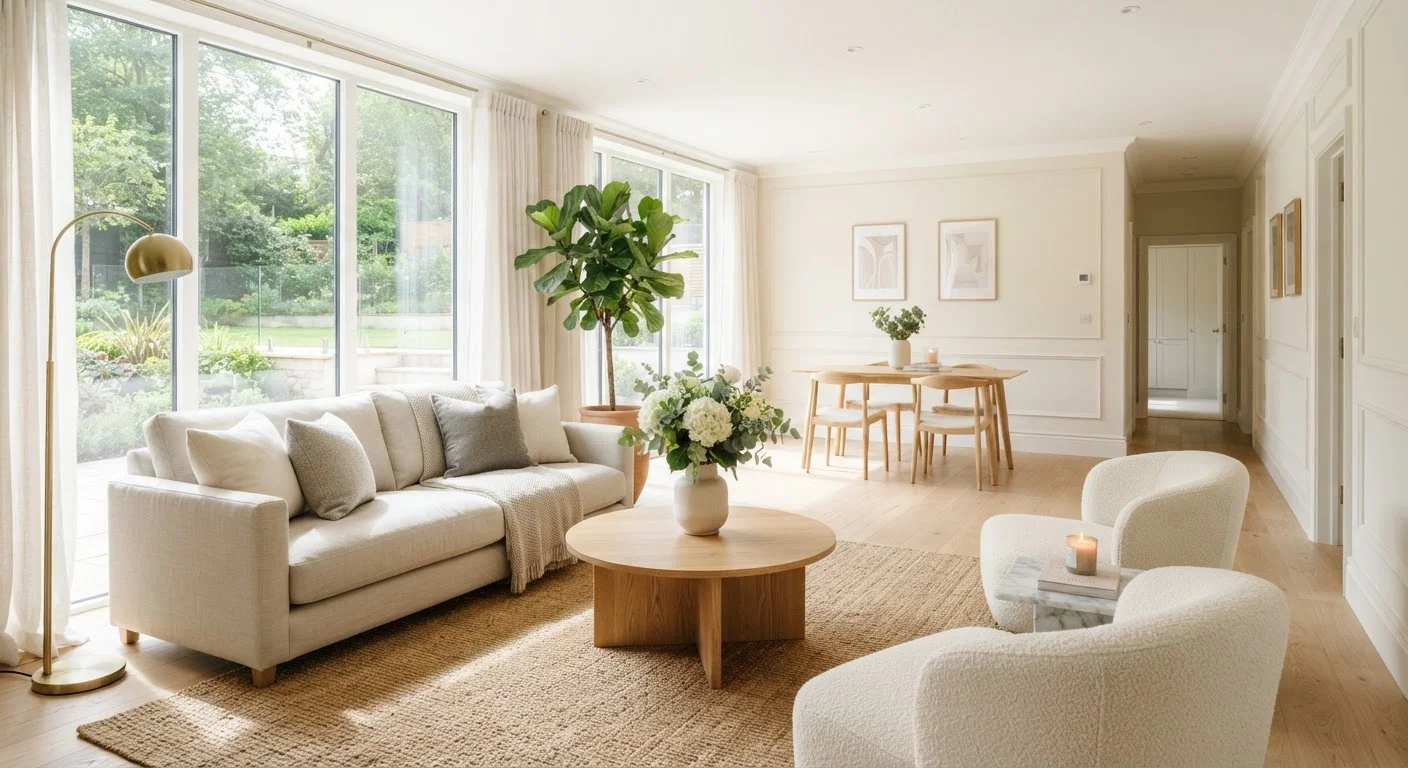
Why Staging Affects More Than Aesthetics
Home staging is often described as decorating, but that undersells what it actually does. Staging shapes buyer perception - how large a room feels, how livable the layout seems, and whether the emotional connection forms during a showing. Buyers typically decide within seconds of entering a home whether they can picture themselves living there.
According to the National Association of Realtors, a majority of buyers' agents report that staging makes it easier for buyers to visualize a property as their future home. That cognitive shift has real financial weight. Staged listings tend to spend fewer days on market compared to unstaged equivalents, which matters especially in a competitive environment. If a listing lingers, price reductions often follow - a cost that can far exceed what staging would have required upfront.
If your home has been sitting without offers, understanding why listings stall can help you diagnose whether staging is part of the solution.
What to Prioritize: Rooms That Drive Decisions
Sellers often feel pressure to stage every inch of a home, but the evidence points to a shorter list of high-priority spaces. The living room is consistently the room buyers weight most heavily, followed by the primary bedroom and kitchen. These are the spaces buyers linger in during showings and return to mentally when weighing an offer.
Bathrooms also matter - not for their size, but for cleanliness and perceived freshness. A dated bathroom with spotless grout and a new mirror registers very differently than the same bathroom with visible mildew. Spare bedrooms and basements, by contrast, tend to have less impact on buyer decisions when staged beyond basic tidiness.
Exterior first impressions set the tone before buyers step inside. Curb appeal improvements and thoughtful landscaping choices can shift buyer sentiment even before a showing begins.
DIY Staging Versus Hiring a Professional
Professional stagers bring inventory - furniture, artwork, accent pieces - and a trained eye for layout and scale. For vacant homes, professional staging is often worth the cost because empty rooms read smaller and colder in listing photos and in person. For occupied homes, a consultation with a stager (without full-service rental) can identify high-impact changes at lower cost.
Many effective staging steps require no budget at all: removing excess furniture to improve flow, editing personal photographs from shelves, replacing dated light fixtures with neutral options, and ensuring every room is well-lit before showings. Paint is frequently cited by agents as the highest-ROI staging investment for occupied homes - particularly in rooms with bold or very dark walls.
How you choose to show your home - open houses versus private showings - also affects how staging performs. Staged homes photographed well generate more showing requests, which is where the process starts.
Common Staging Mistakes That Undermine Offers
Over-staging is a real risk. A room crammed with rental furniture to look magazine-ready can feel artificial and distract buyers from the home itself. Staging should quietly support the space, not compete with it. Neutral does not mean sterile - a carefully placed throw or a simple vase of greenery adds warmth without personalizing the space to a specific taste.
Odor is one of the most frequently overlooked factors. Buyers notice smell before they notice staging, and no amount of furniture arrangement compensates for pet odors, must, or heavy air freshener (which itself signals a cover-up). Deep cleaning, airing out the home, and addressing any moisture sources matter as much as visual presentation.
Finally, staging must translate to listing photography. A room that looks great in person but photographs poorly - due to poor lighting, clutter just outside the frame, or awkward angles - will reduce showing traffic before buyers ever arrive. If you are working with a real estate agent, ask whether a professional photographer is part of the listing package.
This article provides general informational guidance on home staging and is not a substitute for advice from a licensed real estate professional familiar with your local market conditions.