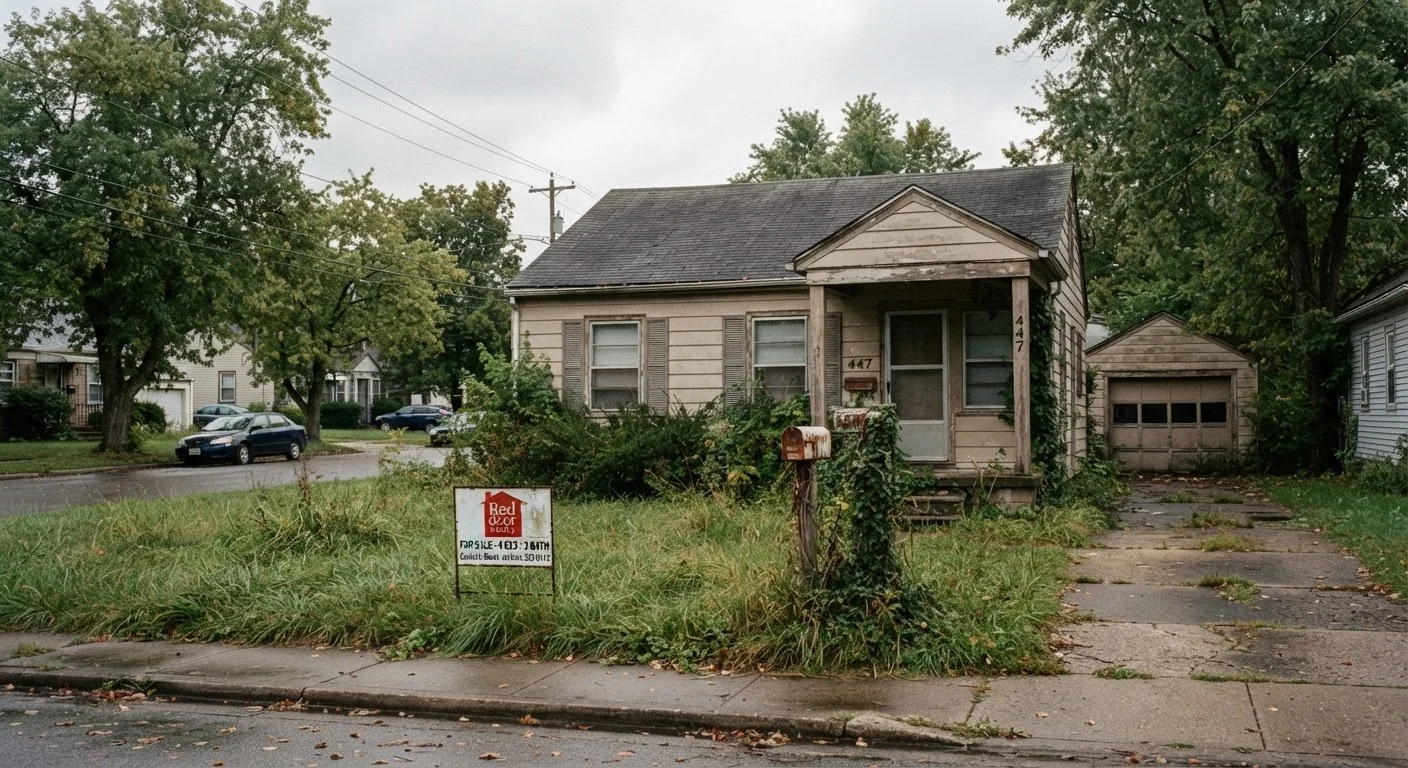
What Days on Market Actually Signals to Buyers
When a home sits unsold for weeks or months, buyers don't assume the property is a hidden gem waiting to be discovered. They assume something is wrong. Days on market (DOM) is a data point buyers and their agents scrutinize closely - and a rising number can trigger skepticism that becomes increasingly difficult to overcome.
Research from the National Association of Realtors consistently shows that homes receiving offers in the first two weeks on market tend to sell closer to - or above - list price. As DOM climbs, sellers typically face lower offers and greater negotiating pressure. The listing itself begins to work against the seller.
Understanding why a home stalls is the first step toward correcting course. The causes are almost always diagnosable, and most are fixable - if sellers act honestly and quickly. See our guide to pricing a home to sell for a deeper look at how the right list price prevents stagnation from the start.
The Most Common Mistakes That Stall a Listing
Most homes that linger on the market share a recognizable set of problems. Sellers who understand these patterns can often self-diagnose before an extended DOM does lasting damage to their negotiating position.
Listing the home above realistic market value from the outset.
Why it happens: Sellers often anchor to what they need financially, what they paid, or what a neighbor's home sold for in a different market cycle - rather than what current comparable sales support.
Using low-quality listing photos or insufficient visual marketing.
Why it happens: Sellers underestimate how thoroughly buyers pre-screen online. Dim smartphone photos, cluttered rooms, or too few images cause buyers to skip the listing entirely - often before their agent can advocate for a showing.
Restricting showing availability or making access unnecessarily difficult.
Why it happens: Sellers who still occupy the home often want advance notice, limited hours, or pets removed before every showing - reasonable individually, but collectively they cause buyer agents to steer clients toward more accessible properties.
Neglecting visible deferred maintenance or cosmetic issues before listing.
Why it happens: Sellers often habituate to minor flaws - a dripping faucet, scuffed baseboards, or a dated bathroom - and assume buyers will overlook them or factor them into their offer rationally. Buyers rarely do.
Ignoring the feedback that comes in after early showings.
Why it happens: Sellers sometimes dismiss negative feedback as subjective or assume buyers simply didn't understand the property's value. Repeated similar feedback is instead a reliable signal.
When a listing does go stale, a price cut is often the first tool sellers reach for - but it's rarely sufficient on its own. If poor presentation or limited access drove away early interest, a lower price brings new buyers to the same flawed experience. Address the root cause first, then reprice if needed. Consider also how your showing strategy may be limiting exposure - our overview of open houses vs. private showings explains how different formats attract different buyer types.
How to Diagnose and Reverse a Stale Listing
If your home has been on the market longer than comparable properties in your area, a structured review is more useful than guessing. Start by pulling a comparative market analysis - an updated CMA will show whether new sales have shifted the price landscape since your original list date.
~17 days
Median days on market nationally
According to National Association of Realtors data, homes that sell tend to go under contract within weeks - listings exceeding this benchmark warrant a diagnostic review.
50%+
Of buyers start their search online
NAR's Profile of Home Buyers and Sellers finds that the majority of buyers identify properties online first, making listing photos and digital presentation critical to attracting initial interest.
Next, audit your showing data. How many showings have occurred? What feedback have agents provided? If showings are low, the issue is likely pricing or online presentation. If showings are frequent but offers aren't materializing, the problem is typically condition, terms, or a mismatch between the listing photos and what buyers encounter in person.
Work with your agent to identify whether a price adjustment, a brief withdrawal and re-listing, or targeted improvements - fresh paint, decluttering, professional staging - would produce the greatest impact. Keep in mind that even after an offer is accepted, new challenges can emerge; understanding what commonly derails a sale after the offer is accepted can help you stay prepared throughout the process.
Avoid Withdrawing and Re-Listing Repeatedly
Some sellers attempt to reset their DOM count by temporarily withdrawing a listing and re-listing it after a brief period. Many MLS systems and buyer agents track cumulative market history, and this strategy often fails to obscure a stale listing's record. More importantly, it consumes time without addressing the underlying problem. Focus on diagnosing the real issue rather than masking the symptom.
This article is for general informational purposes only and does not constitute financial, legal, or real estate advice. Consult a licensed real estate professional regarding decisions specific to your property and market.