How Each Format Is Structured
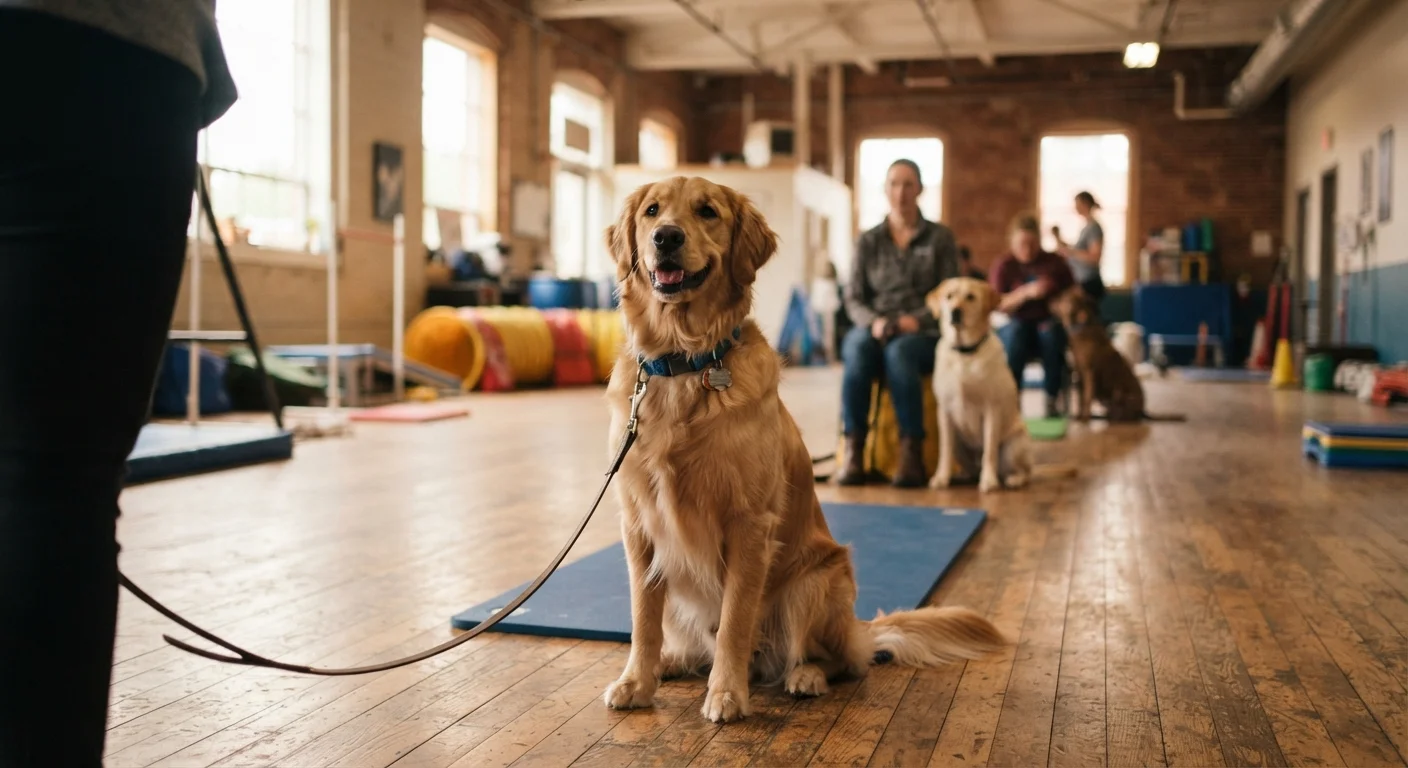
Group obedience classes bring together multiple dogs and their owners - typically six to twelve pairs - in a shared space, guided by one or two instructors. Sessions follow a curriculum, progressing through foundational commands like sit, down, stay, and come over several weeks. The instructor teaches the class collectively, demonstrating techniques and circulating to offer individual feedback.
Private sessions, by contrast, place your dog and trainer in a one-on-one setting - either in a training facility, a neutral outdoor space, or your home. The trainer focuses entirely on your dog's history, temperament, and specific goals. Each session is built around what your individual dog needs that day, with no fixed curriculum that must accommodate others.
| Criterion | Group Classes | Private Sessions |
|---|---|---|
| Cost per session | Lower - shared instructor cost | Higher - dedicated trainer time |
| Curriculum flexibility | Fixed, class-wide progression | Fully customized to your dog |
| Distraction training | Built-in via other dogs and people | Controlled by trainer as needed |
| Best for reactive dogs | Not recommended initially | Yes - safer environment |
| Socialization opportunity | High - supervised peer exposure | Limited - can be added separately |
| Scheduling flexibility | Fixed weekly class times | Typically more flexible |
| In-home training option | Rarely available | Commonly available |
Where Group Classes Excel
The defining advantage of group training is controlled exposure. Dogs learn to focus on their owner and respond to commands while other dogs, people, and movement create distractions. This mirrors what owners actually need in daily life - a dog that listens at the park, on a busy sidewalk, or at a family gathering.
Group settings also build social confidence. For puppies and younger dogs with limited exposure to their environment, class interactions (handled safely under trainer supervision) contribute meaningfully to positive socialization. Owners often find the group format motivating, too - seeing other handlers work through the same challenges can normalize the process and sustain commitment. If you have children who want to participate, involving kids in group class routines can be a structured way to do so.
Where Private Sessions Have the Edge
Private training is the stronger choice whenever a dog's needs are too specific - or too sensitive - for a group setting. A dog that lunges at other dogs, shows fear-based aggression, or has severe anxiety cannot safely learn in proximity to other animals. Attempting group class before these issues are addressed can reinforce the unwanted behavior rather than reduce it.
Private trainers can also address household-specific problems - destructive chewing, jumping on particular family members, or difficulty settling during meals - in the actual context where they occur. This in-situ approach often accelerates progress. Owners with multiple dogs at home may also find that a private trainer can help design individualized plans for each animal while managing the dynamics between them.
When to Consult a Veterinary Behaviorist
If your dog's behavioral challenges include significant fear, aggression, or anxiety, a certified applied animal behaviorist or veterinary behaviorist may be more appropriate than a standard private trainer. These professionals have advanced credentials and can address complex cases that go beyond obedience training. Your veterinarian can help determine whether a referral is warranted before you begin any training program.
Making the Right Choice for Your Dog
Start by honestly evaluating your dog's temperament and your own training goals. A well-socialized puppy or adult dog working on basic manners is an ideal group class candidate. A dog with a history of reactivity, fear, or unresolved behavioral concerns will likely need private sessions first - and possibly for several months - before a group setting becomes appropriate.
Budget is a practical factor as well. Group classes are generally far more affordable per session than private coaching, making them accessible for owners focused on foundational skills. For small dog owners navigating socialization dynamics, the choice between formats may also depend on class size and how well the instructor manages size and energy differences among participants.
Many trainers recommend a hybrid approach: begin with private sessions to address any specific concerns and build a communication foundation, then graduate into group classes to generalize those skills in a richer environment. Discuss this pathway with a certified trainer who can assess your dog directly before recommending a format.
6-8 weeks
Typical group class program length
Most structured group obedience programs run six to eight weeks, covering foundational commands across weekly one-hour sessions.
~$50-$125
Average private session cost (U.S.)
Private training session rates vary widely by trainer credentials, region, and session length; group classes often run $100-$200 for the full multi-week course.