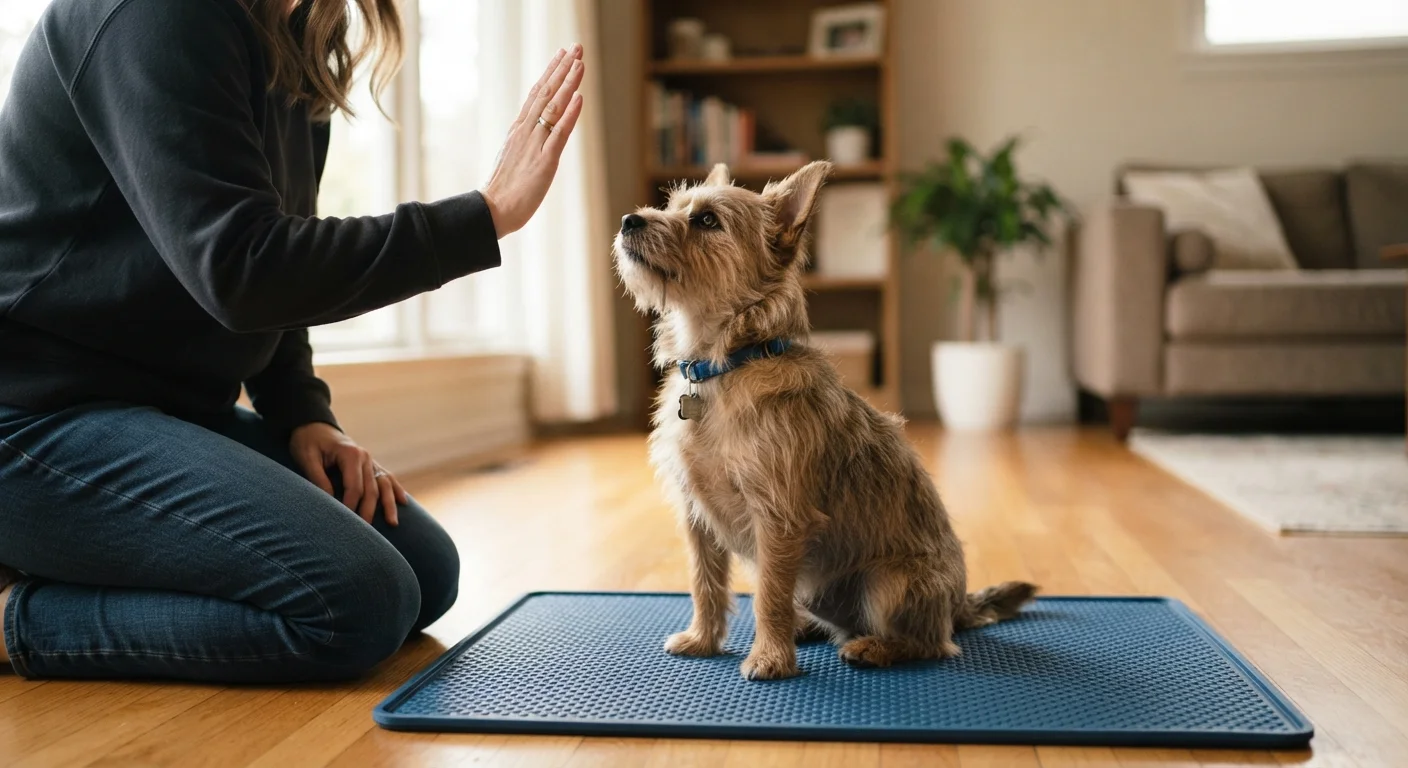
The Core Principles Stay the Same
Positive reinforcement - rewarding the behavior you want so it happens more often - is the foundation of effective, humane dog training regardless of breed or size. A Chihuahua learns a reliable sit the same way a Labrador does: through consistent cues, timely rewards, and clear consequences that don't involve fear or force.
Where owners sometimes go wrong is assuming small dogs operate by different rules. They don't. If anything, the common training myths that make dog behavior worse - like excusing unwanted behavior or relying on physical correction - cause more visible damage in small dogs because the resulting inconsistency compounds over years of inadequate practice.
What you're adjusting when training a small dog is not the theory. It's the execution.
~20 lbs
Common size threshold for "small dog" classification
Most veterinary and training references define small dogs as those weighing 20 pounds or under, though breed-specific health considerations vary.
3-5 min
Recommended session length for small dog puppies
Animal behavior professionals generally recommend very short, frequent training sessions for puppies - especially small breeds with shorter attention spans.
Pea-sized
Ideal treat size for small dogs during training
Certified trainers consistently recommend scaling treat size to the dog's body weight to prevent caloric overload during repetition-heavy sessions.
Physical Setup: Getting Down to Their Level
One of the most overlooked adjustments is your own body position. From a small dog's perspective, a standing human looming overhead is a significant presence - and for dogs already inclined toward anxiety, that posture can suppress engagement during sessions. Crouching, sitting on the floor, or using a low bench or raised surface (like a grooming table) to bring the dog to a more comfortable height all make a meaningful difference.
Luring with your hand is also more natural when you're not reaching down at a steep angle. This matters because hand signals and food lures need to be delivered smoothly and clearly; awkward reaching often disrupts timing, and timing is everything in reinforcement-based training.
Train at the Right Height
Sitting cross-legged on the floor or using a low ottoman to bring your small dog closer to your eye level can noticeably reduce stress signals during sessions. A dog that isn't craning its neck upward or feeling loomed over is more likely to engage freely and offer behaviors with confidence.
For leash work, the equipment choice is especially consequential. Many small breeds - including Pomeranians, Yorkshire Terriers, and Chihuahuas - are prone to tracheal collapse, a condition where the cartilage rings of the windpipe weaken. A well-fitted harness that distributes pressure across the chest is generally the safer choice. See our overview of training tools for a breakdown of harness types and how they differ.
Socialization: A Higher-Stakes Environment
Socialization - the process of exposing a young dog to a wide range of people, animals, sounds, and environments during the developmental window - is just as critical for small dogs as for large ones. But the stakes differ in a practical way: small dogs are genuinely more physically vulnerable in group settings.
At a dog park, a brief rough-play incident that a Golden Retriever shrugs off can injure or traumatize a four-pound Maltese. This doesn't mean small dogs should be isolated - quite the opposite. Under-socialized small dogs frequently develop the reactivity, excessive barking, and fearfulness often mislabeled as personality. What it does mean is that managed, structured socialization is preferable to uncontrolled group exposure.
Puppy classes designed for small breeds, carefully selected one-on-one play dates with calm, size-appropriate dogs, and gradual positive exposure to busy environments all build confidence without overwhelming a small dog's threat-detection system. Pay close attention to your dog's body language during training and social encounters - yawning, lip-licking, or turning away are early stress signals worth responding to before they escalate.
The Permissiveness Problem
"Small dog syndrome" - the cluster of pushy, reactive, or demanding behaviors seen in many small dogs - is not a breed trait. It's a training outcome. Because small dogs are easy to pick up, carry past problems, or simply ignore when they misbehave, owners often skip the consistent boundary-setting that large dog owners are forced to maintain for safety reasons.
A Dachshund who growls at guests isn't expressing an innate personality flaw. It's a dog who has learned that growling works - people back off, or owners intervene by removing the dog rather than addressing the behavior. The same dog, given clear and consistent training with appropriate reinforcement, can learn a reliable go-to-place behavior or a default calm greeting instead.
Consistency matters as much for small dogs as for any other. If jumping on the couch is acceptable on weekdays but corrected on weekends, or if barking brings attention half the time, you've built a variable reinforcement schedule - the most durable kind of learning, and the hardest to undo. Set clear household rules and apply them every time, regardless of the dog's size.
If you share your home with multiple dogs of different sizes, training across multiple dogs in the same household requires additional planning to ensure each dog gets individual attention and that size-related dynamics don't interfere with sessions.
This article provides general pet care and training information for educational purposes only. Always consult a qualified veterinarian or certified professional dog trainer for guidance specific to your dog's health, behavior, or individual needs.