Why Small Pets Are Frequently Under-Vetted
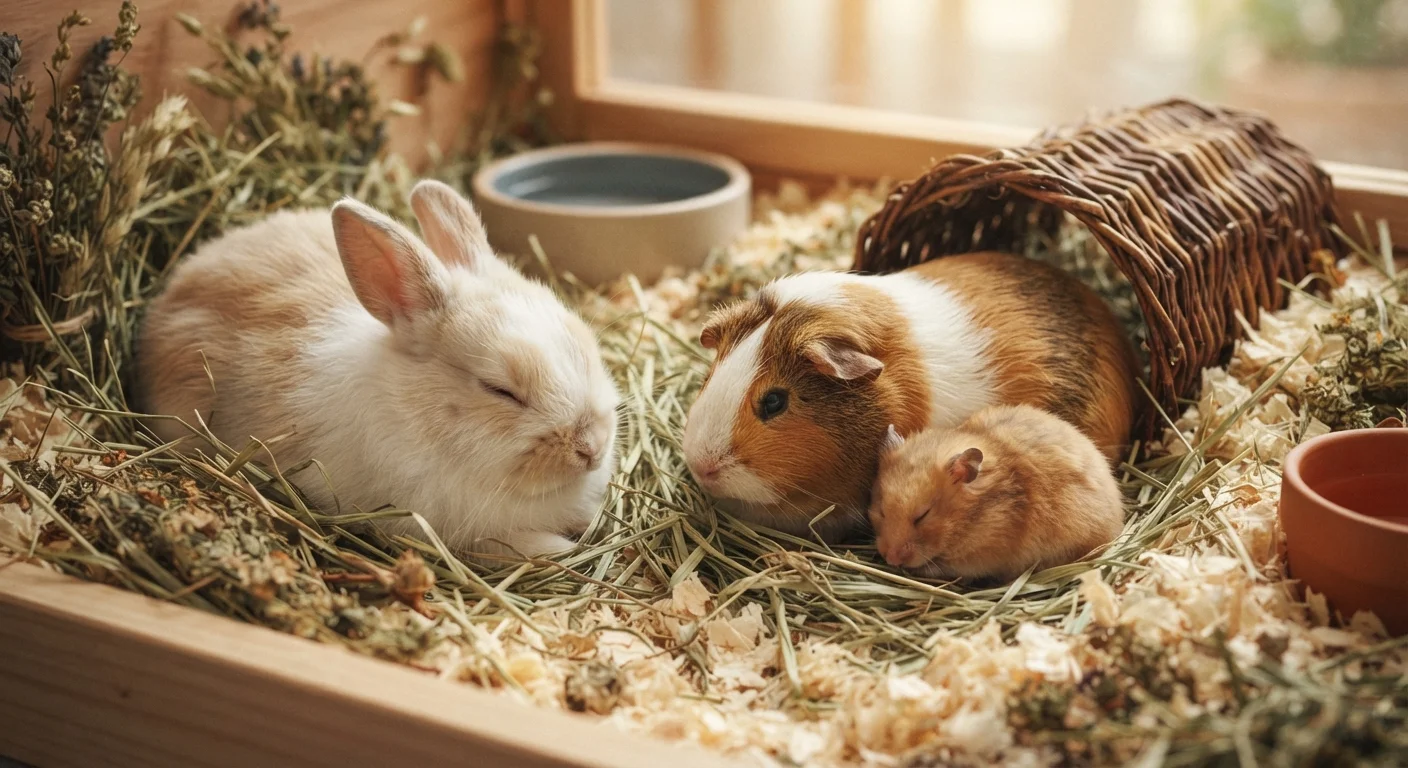
Rabbits, guinea pigs, and hamsters are among the most popular small pets in American households. Yet they are also some of the most under-vetted. A common assumption is that small mammals are low-maintenance - that feeding and cleaning the cage covers their care. In practice, their health needs are specific, easy to misjudge, and deserve the same attention given to dogs and cats.
Part of the challenge is biological. These animals are prey species, meaning they instinctively hide signs of weakness or pain. By the time an owner notices something is wrong, the condition may already be advanced. This makes routine observation and preventive care more important, not less.
For context on building broader care habits across species, see the building blocks of a healthy pet routine. This guide focuses specifically on what small mammal owners need to know.
Prey species
Animals that are naturally hunted by predators in the wild. They instinctively hide pain and illness to avoid appearing vulnerable, which makes illness harder for owners to detect.
GI stasis
A condition in rabbits where the digestive system slows or stops moving. It can become life-threatening within hours if not treated by a veterinarian.
Malocclusion
A misalignment of the teeth that prevents normal wear. It is common in rabbits and guinea pigs and requires veterinary treatment.
Crepuscular
Most active during dawn and dusk. Hamsters follow this pattern naturally, sleeping for much of the day.
Vitamin C (ascorbic acid)
A nutrient that guinea pigs - unlike most mammals - cannot produce on their own. It must be supplied through diet to prevent serious deficiency.
Exotic pet veterinarian
A vet with training and experience treating animals other than dogs and cats, including rabbits, guinea pigs, hamsters, and other small mammals.
Core Health Needs by Species
Rabbits
Rabbits require unlimited grass hay - such as timothy or orchard grass - as the foundation of their diet. Hay supports both digestive health and dental wear, since rabbit teeth grow continuously. Fresh leafy greens supplement the diet, while pellets should be given in limited quantities. Fresh water daily is essential. Rabbits also need space to move: a sedentary rabbit in a small cage is at risk for obesity and behavioral problems.
If you share your home with a rabbit, reviewing your space through the lens of the room-by-room pet-proofing guide is worthwhile, since rabbits chew and explore aggressively.
Guinea Pigs
Guinea pigs are among the few mammals that, like humans, cannot synthesize their own vitamin C. A diet lacking it leads to scurvy, a serious but preventable condition. Fresh vegetables - especially bell peppers and leafy greens - should be offered daily. Timothy hay and a small amount of appropriate pellets round out their diet. Guinea pigs are social animals and generally do better in same-sex pairs.
Hamsters
Hamsters are omnivores with a simpler but still species-specific diet: a base of quality hamster-formulated pellets or lab blocks, supplemented with small amounts of fresh vegetables and occasional protein sources. They are crepuscular (most active at dawn and dusk) and need an appropriately sized wheel for exercise. Solid-surface wheels are safer than wire-rung designs, which can injure small feet.
Use a Kitchen Scale to Track Weight
Small mammals can lose significant body weight before changes become visually obvious. Weighing your pet on a kitchen scale once a week and recording the number gives you an early warning system. A consistent downward trend - even gradual - is worth mentioning to your vet at the next visit or sooner.
Common Health Conditions to Know
Knowing what conditions affect each species helps owners recognize problems early and have more productive conversations with their veterinarian.
- GI Stasis (Rabbits): A slowdown or halt in gut motility that can become life-threatening within hours. Signs include not eating, no fecal output, and lethargy. This is a veterinary emergency.
- Dental Disease (All three species): Overgrown or misaligned teeth - called malocclusion - are common in rabbits and guinea pigs. Symptoms include drooling, weight loss, and reluctance to eat. A vet needs to assess and treat dental problems; owners cannot manage this at home.
- Respiratory Infections (Guinea Pigs and Hamsters): Signs include nasal discharge, labored breathing, and lethargy. These can escalate quickly and warrant prompt veterinary attention.
- Wet Tail (Hamsters): A bacterial condition causing severe diarrhea, most common in young hamsters under stress. It is rapidly fatal if untreated - contact a vet immediately if suspected.
- Uterine Cancer (Rabbits): Unspayed female rabbits have a significantly elevated risk of uterine adenocarcinoma. Spaying is a major preventive health measure that should be discussed with a rabbit-savvy vet.
- Vitamin C Deficiency (Guinea Pigs): Scurvy causes joint pain, rough coat, and lethargy. It is entirely preventable with an appropriate diet.
Never Delay on GI Stasis or Wet Tail
Both GI stasis in rabbits and wet tail in hamsters can become fatal within 24 to 48 hours of onset. If your rabbit has not eaten or produced droppings for several hours, or your hamster has severe diarrhea and wetness near the tail, treat this as an emergency and contact a veterinarian immediately. Do not wait to see if the animal improves on its own.
What a Wellness Visit Looks Like for Small Mammals
Finding the right veterinarian is the first step. Not all general practice vets are trained in rabbit or rodent medicine. Look for a clinic that lists exotic pets or small mammals among their specialties. Your regular vet can often provide a referral if needed.
During a typical wellness exam, the vet will assess body weight, coat condition, teeth alignment, eye and nasal clarity, and abdominal palpation. They may ask about diet, droppings (a key indicator of digestive health), activity levels, and any behavioral changes you've observed at home.
Annual wellness exams are appropriate for most young and healthy small mammals. For senior animals, or those with a known condition, more frequent visits are often recommended. For a fuller picture of what preventive care calendars look like, the complete annual wellness plan guide offers a helpful framework.
Bring notes from home: any changes in eating, behavior, or droppings you've observed. Small details that seem minor often prove useful diagnostically.
Not All Vets See Small Mammals
Many general practice veterinary clinics focus primarily on dogs and cats and may have limited experience with rabbit or rodent medicine. It is worth calling ahead to ask whether the practice regularly sees small mammals before booking an appointment. Asking specifically about experience with your species - rabbit, guinea pig, or hamster - helps ensure you're in the right hands.
Recognizing Signs of Illness Early
Because small mammals conceal distress instinctively, daily observation is an owner's most effective tool. Healthy baselines vary by individual, so knowing what is normal for your animal makes changes easier to spot.
General warning signs across all three species include:
- Refusing food or water for more than a few hours
- Significant change in droppings - fewer, smaller, or absent
- Discharge from eyes, nose, or mouth
- Unusual posture, hunching, or reluctance to move
- Rapid or labored breathing
- Unexplained weight loss (a kitchen scale is a practical monitoring tool)
- Wetness around the tail or hindquarters
If any of these signs appear, contact your veterinarian promptly. Do not attempt to diagnose or treat at home based on general information. Small mammals can decline quickly, so early professional evaluation matters.
Having a basic pet first-aid kit on hand can help you stabilize your pet before reaching the clinic. As small mammals age, their needs shift too - the guide to caring for senior pets covers how to adapt your routine over time.
This article is for general informational and educational purposes only and does not constitute veterinary or medical advice. Always consult a licensed veterinarian for guidance specific to your pet's health and circumstances.