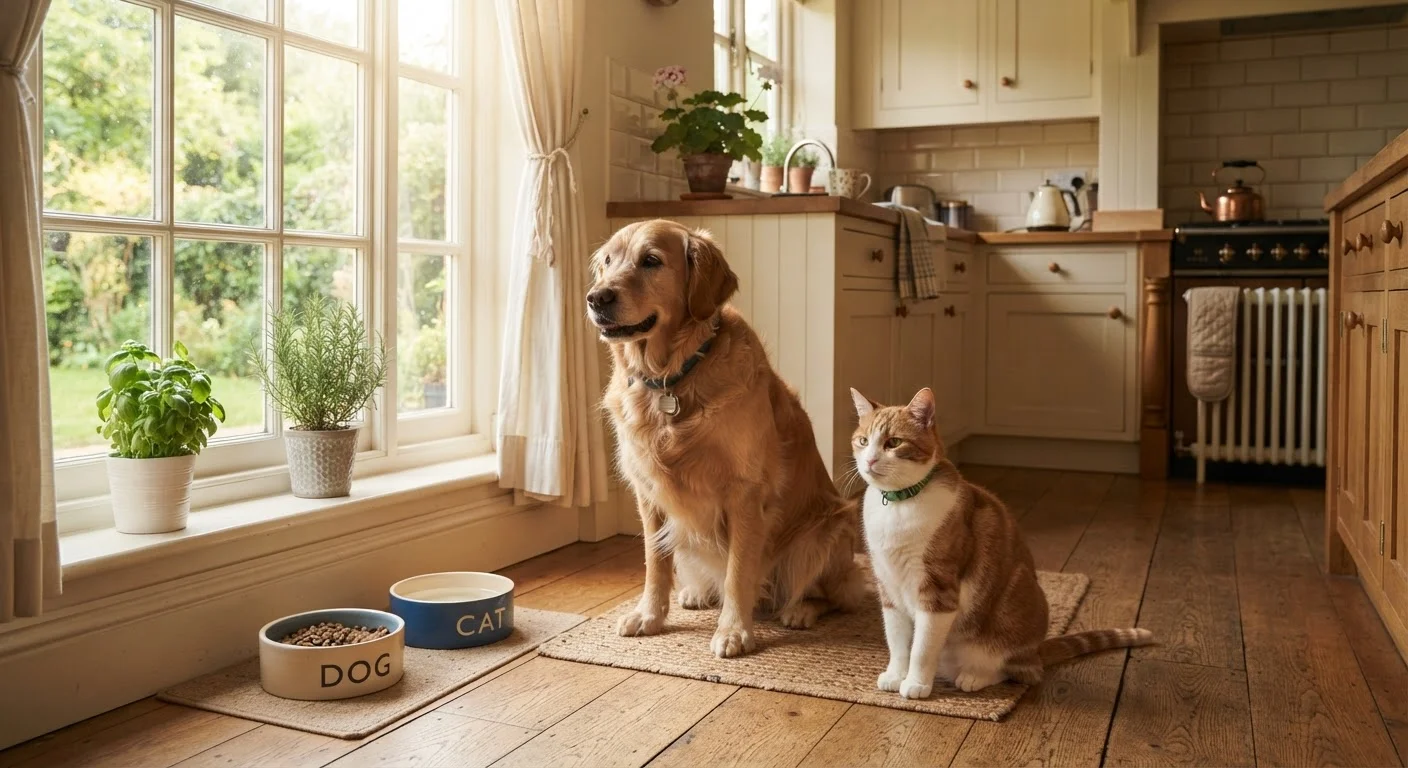
Why Routine Matters for Pets
Pets are wired for predictability. Dogs and cats rely on environmental cues - the same feeding time, the familiar sound of a leash, the evening play session - to feel safe and oriented. When daily life is consistent, animals show fewer stress-related behaviors such as destructive chewing, excessive vocalization, or house-soiling.
The science behind this mirrors what researchers observe in humans: as explored in the role of routine in mental health stability, predictable daily structure has a documented calming effect on the nervous system. The same principle applies to companion animals. Building a reliable routine is one of the most effective, low-cost things an owner can do for a pet's overall wellbeing.
Scheduled feeding
Offering food at set times each day rather than leaving it out continuously, which helps with portion control and appetite monitoring.
Preventive care
Routine veterinary visits and treatments - such as vaccines and parasite prevention - designed to stop health problems before they start.
Mental stimulation
Activities that engage a pet's brain - such as puzzle feeders, training exercises, or scent work - helping to reduce boredom and stress-related behavior.
Dental hygiene
Regular cleaning of a pet's teeth and gums to prevent plaque buildup, gum disease, and the systemic health problems that untreated dental disease can cause.
Core vaccines
Vaccinations recommended for virtually all pets of a given species, regardless of lifestyle, because the diseases they prevent are serious, widespread, or transmissible to humans.
Feeding: Timing, Portions, and Freshwater
Scheduled meals - rather than leaving food out all day - give owners a daily window to notice changes in appetite, which is often an early signal that something is off. Most adult dogs thrive on two meals per day; cats generally do well fed two to three times daily. Exact portion sizes depend on the animal's weight, life stage, and activity level - always follow guidance from your veterinarian and the feeding directions on any approved food label.
A few principles apply across species:
- Measure portions rather than estimating - eyeballing food is a leading contributor to pet obesity.
- Fresh water should be available at all times and refreshed at least once daily.
- Avoid frequent diet changes without a gradual transition, which can cause digestive upset.
For a broader look at how nutrition fits into annual wellness, see what goes into a complete annual wellness plan for a pet.
Use Mealtimes as a Daily Health Check
Each feeding is a low-effort opportunity to assess your pet's baseline health. Watch for changes in how enthusiastically your pet eats, any new difficulty chewing, or water intake that seems unusually high or low. Noting these patterns early - and flagging them to your vet - can catch developing conditions well before they become serious.
Exercise and Daily Activity
Physical activity keeps weight in check, supports joint health, and reduces boredom-driven behavior problems. The right amount varies considerably by species and individual animal.
Dogs
Most adult dogs need at least 30 minutes of purposeful activity daily; higher-energy breeds may need up to two hours. This can be split across walks, fetch sessions, or off-leash time. Mental stimulation - puzzle feeders, training exercises, sniff-focused walks - counts too and is especially valuable for working breeds.
Cats
Indoor cats in particular benefit from interactive play twice a day, using wand toys or laser pointers that mimic prey movement. Even ten to fifteen minutes per session makes a meaningful difference in activity level and mood.
It's worth noting that exercise needs shift with age. Senior pets need a different kind of care - older animals often require shorter, lower-impact sessions and more frequent rest breaks.
Grooming and Hygiene Basics
Grooming isn't cosmetic - it's a health practice. Regular brushing removes dead hair, distributes natural oils, and lets you spot skin changes, lumps, or parasites early. Nail trims prevent painful overgrowth and posture problems. Ear checks catch early signs of infection before they escalate.
A practical home grooming cadence for most dogs and cats:
- Brushing: weekly for short coats; daily or every other day for long or double coats
- Nail trims: approximately every three to four weeks
- Ear inspection: weekly; clean only if directed by your vet using a vet-approved solution
- Dental hygiene: daily tooth brushing is ideal; at minimum, use veterinarian-approved dental products between brushings
For a room-by-room walkthrough of at-home dog grooming, grooming your dog at home covers bathing, coat care, and more in practical detail.
Don't Skip Dental Care
Dental disease is one of the most common - and most preventable - health problems in dogs and cats. Untreated tartar buildup can lead to tooth loss and bacteria that affect the heart, kidneys, and liver over time. If your pet resists tooth brushing, ask your veterinarian about graduated desensitization techniques or alternative dental care options appropriate for your animal.
Preventive Veterinary Care
No home routine replaces professional veterinary oversight. Annual wellness exams allow a veterinarian to catch developing conditions before they become serious - including dental disease, weight changes, heart murmurs, and early organ dysfunction. Senior pets (typically those over seven years) often benefit from twice-yearly visits.
Routine preventive care typically includes:
- Physical examination from nose to tail
- Vaccinations on the schedule appropriate for your pet's risk profile - see what vaccines do pets actually need for an overview of core versus non-core options
- Parasite prevention (fleas, ticks, heartworm, intestinal parasites)
- Weight and nutritional assessment
It's also worthwhile to keep a pet first-aid kit at home so you're prepared to respond to minor injuries while arranging veterinary care.
This article is for general informational purposes and does not constitute veterinary medical advice. Always consult a licensed veterinarian for guidance specific to your pet's health needs.
Putting It All Together
A complete pet routine doesn't need to be elaborate - it needs to be consistent. Start by anchoring the non-negotiables: set mealtimes, a daily activity block, and a weekly grooming check-in. Layer in preventive vet visits on a calendar so they don't get overlooked.
Think of your routine as a living document. What works for a six-month-old puppy will need adjustment by age two, and again as your pet reaches their senior years. The pet health hub is a good reference point as your pet's needs evolve across life stages.
Small, steady habits compound over time. The investment of a reliable daily routine pays off in a calmer, healthier animal - and a less stressful experience for everyone in the household.