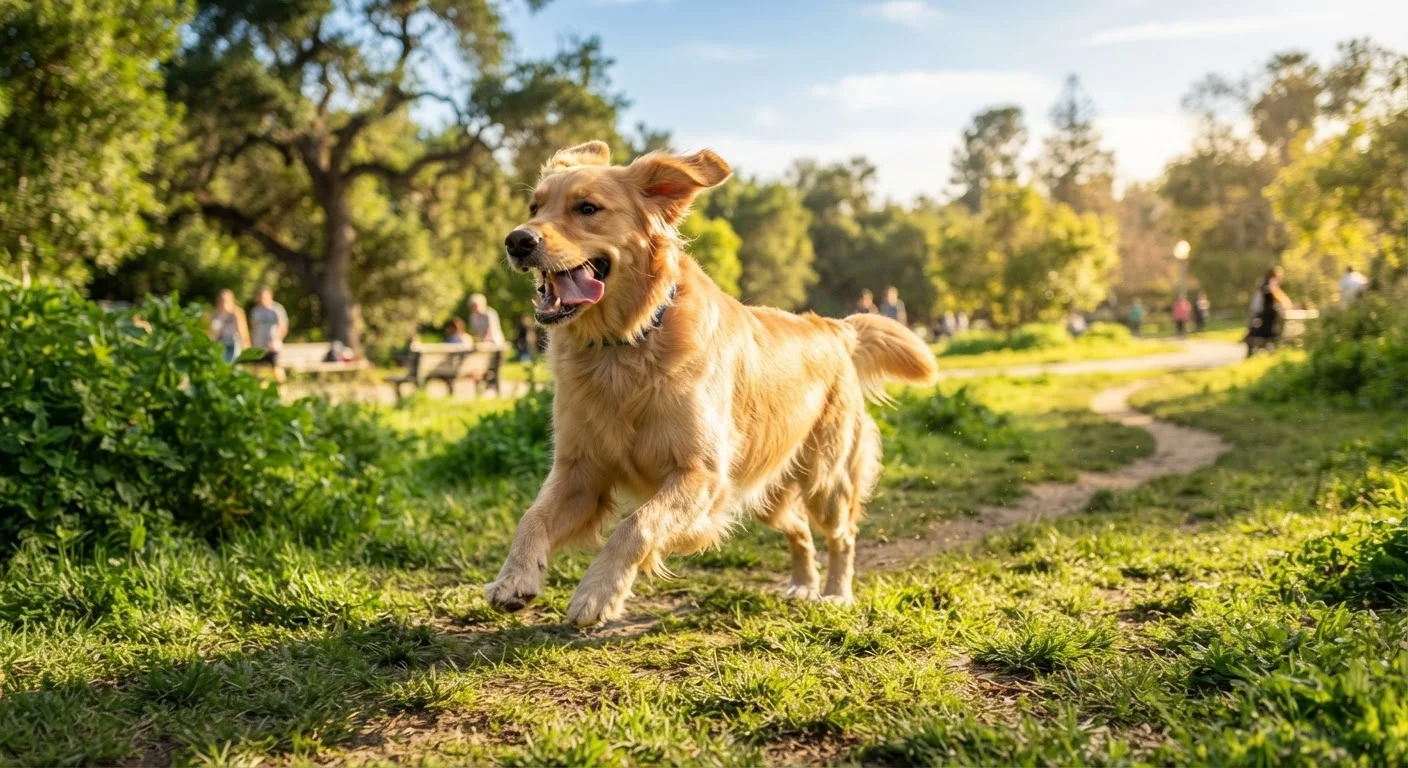
Why Movement Is a Core Need, Not a Bonus
Dogs are descended from animals that traveled miles daily in search of food and social interaction. Their bodies and brains are built for sustained activity. When that need goes unmet, the result isn't simply a dog that's out of shape-it's a dog that's understimulated, frustrated, and often anxious.
Exercise sits at the intersection of physical and behavioral health. It supports cardiovascular function, helps maintain a healthy weight, preserves muscle mass, and promotes healthy joint mobility over time. At the same time, the act of moving through the environment-sniffing, exploring, reacting-engages the brain in ways that structured rest simply cannot replace.
For a fuller picture of how physical activity fits into a dog's overall daily care, see the building blocks of a healthy pet routine for dogs and cats. Understanding exercise as a foundational need-not an optional add-on-is the starting point for building a care routine that genuinely works.
Exercise Needs Change Throughout a Dog's Life
Puppies need shorter, more frequent play sessions rather than sustained endurance exercise, because their developing joints and growth plates are vulnerable to repetitive stress. Senior dogs still benefit from daily movement but may need gentler, lower-impact options. Reassess your dog's exercise routine at each life stage and after any significant health change, ideally in conversation with your veterinarian.
The Mental Health Connection: More Than Just Burning Energy
One of the most misunderstood aspects of dog exercise is the mental component. Many owners assume that a dog that's physically tired is a dog that's content. Physical fatigue helps, but it doesn't address the cognitive and emotional arousal that drives a lot of problem behavior.
When dogs exercise-especially in varied outdoor environments-they process a huge volume of sensory information. Every sniff represents a detailed read of the surrounding world. This olfactory engagement is mentally taxing in the best possible way, contributing to what behaviorists sometimes call "calm tiredness" rather than simply "worn-out tiredness."
Regular movement also appears to influence mood-regulating neurochemistry. While research into canine neurobiology is still developing, veterinary behaviorists generally recognize that activity plays a role in moderating arousal and stress responses. For a broader look at the mechanisms connecting movement and mood, the article on how exercise influences mood provides useful background context.
Dogs struggling with separation anxiety often benefit from structured exercise before periods of alone time, though exercise is rarely the sole solution for clinical anxiety.
Make Sniff Walks a Regular Part of Your Routine
A "sniff walk" means letting your dog set the pace and stop to investigate scents as long as they like, rather than maintaining a brisk human-paced stride. Research in canine cognition suggests that olfactory exploration is genuinely tiring for the brain in a positive way. Even a 20-minute slow, sniff-heavy walk can be more satisfying for many dogs than a brisk 45-minute walk where sniffing is discouraged.
What Adequate Exercise Actually Looks Like
There is no single universal formula. Breed, age, health status, and individual temperament all shape how much and what kind of activity a dog needs.
- High-energy working and sporting breeds (Border Collies, Vizslas, Australian Shepherds) typically require 60 to 90 minutes or more of vigorous activity daily.
- Medium-energy breeds (Labrador Retrievers, Standard Poodles, Beagles) generally do well with 45 to 60 minutes of moderate activity.
- Low-energy or brachycephalic breeds (Bulldogs, Shih Tzus, Basset Hounds) may do best with shorter, gentler outings-often 20 to 30 minutes-spread across the day.
- Senior dogs still need movement, but intensity and duration should be adjusted to accommodate joint health and cardiovascular capacity.
Consistency matters more than occasional intensity. A reliable daily walk produces better behavioral outcomes than an exhausting weekend hike sandwiched between sedentary weekdays. If you're exploring activity ideas that go beyond the standard walk, enrichment for dogs beyond the daily walk offers practical options for mental and physical engagement.
~56%
Of US dogs estimated to be overweight or obese
According to the Association for Pet Obesity Prevention's annual surveys, more than half of dogs in the United States are classified as overweight or obese, a condition closely linked to insufficient physical activity.
30-60 min
Daily activity recommended for most adult dogs
Veterinary and animal behavior organizations generally recommend a minimum of 30 to 60 minutes of moderate exercise daily for most healthy adult dogs, with variation based on breed and health status.
2x daily
Frequency of walks that supports behavioral stability
Canine behavior specialists frequently note that dogs benefit from at least two distinct exercise sessions per day rather than a single long outing, as this supports more consistent emotional regulation throughout the day.
Long-Term Effects on Health and Behavior
The benefits of consistent exercise compound over time. Dogs that receive adequate daily activity throughout their lives tend to maintain healthier body condition scores, show lower rates of obesity-related conditions, and may experience slower cognitive decline as they age. Activity also supports joint health, though the relationship is nuanced-appropriate, low-impact movement lubricates joints and maintains surrounding muscle tone, while excessive high-impact activity on vulnerable joints can accelerate damage.
Behaviorally, well-exercised dogs are generally easier to train, more socially adaptable, and less reactive. This is partly because exercise reduces baseline arousal levels, making it easier for a dog to respond to cues and engage in learning. For more on how training and enrichment intersect with a dog's behavioral development, see enrichment vs. training.
It's worth noting that exercise alone does not prevent or treat all health conditions. Dogs with cardiovascular disease, orthopedic conditions, or other systemic illness require exercise plans guided by a veterinarian. Always consult your vet before significantly changing your dog's activity level, particularly if they have a diagnosed condition or are recovering from illness or surgery.
This article provides general educational information about dog exercise and is not a substitute for professional veterinary advice. If you have concerns about your dog's health or appropriate activity levels, consult a licensed veterinarian.