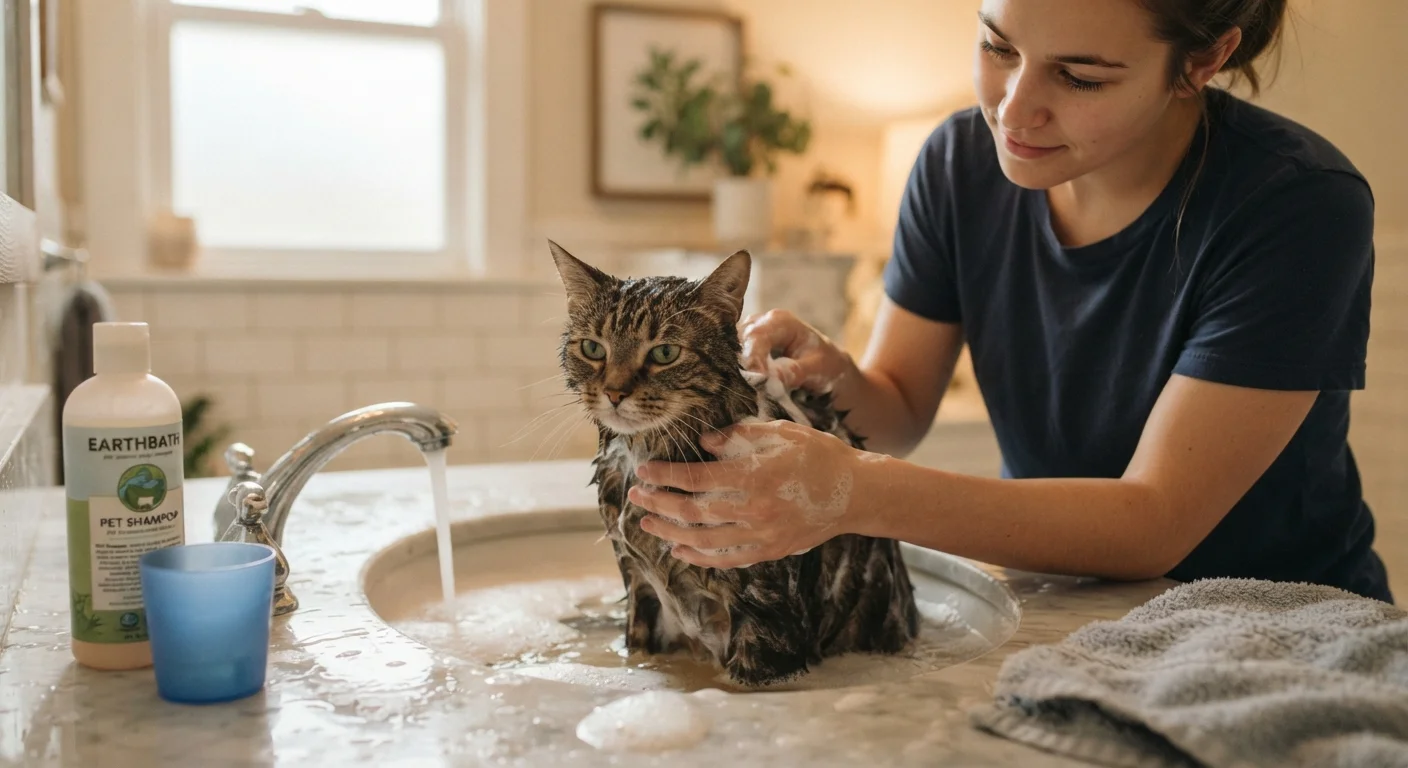
Do Cats Actually Need Baths?
Cats are famously meticulous self-groomers. They spend a significant portion of their waking hours cleaning their coats, and for the vast majority of healthy adult cats, this is entirely sufficient. Their grooming routine removes loose fur, surface debris, and distributes natural skin oils evenly across the coat.
That said, bathing is not something cats should never experience - it's simply something most cats don't need routinely. The key is understanding when a bath genuinely serves your cat's health versus when it creates unnecessary stress for both of you.
For a broader look at how grooming fits into your cat's overall wellness, see grooming as a health practice - it goes beyond aesthetics into early detection of skin and coat problems.
30-50%
Of a cat's waking hours spent self-grooming
Veterinary behaviorists broadly estimate cats dedicate a significant portion of each day to self-care, making them among the most self-sufficient groomers of common household pets.
4-6 weeks
Suggested interval for long-haired cats needing baths
Professional groomers and veterinary dermatologists commonly suggest this range for cats whose coat type or health status warrants periodic bathing.
~10 min
Ideal maximum bath duration for cats
Keeping bath sessions brief reduces stress and prevents chilling - most grooming professionals aim to complete the process within ten minutes.
When a Bath Is Actually Necessary
There are specific situations where bathing your cat is not only reasonable but important:
- Exposure to toxins or chemicals: If your cat has walked through or gotten into something harmful - pesticides, motor oil, household cleaners - bathing is urgent. Contact your veterinarian or an animal poison control line first for guidance before bathing.
- Heavy soiling: Litter box accidents, diarrhea, or rolling in something foul may require intervention that self-grooming can't handle.
- Skin conditions: Some cats are prescribed medicated shampoos by their veterinarian to manage dermatitis, ringworm, or other skin conditions. In these cases, the vet will specify frequency.
- Reduced mobility: Senior cats, cats with arthritis, or obese cats may lose the flexibility to groom hard-to-reach areas effectively. Occasional baths can fill that gap.
- Long or dense coats: Some long-haired breeds accumulate oils or develop matting more readily. Coat type genuinely shapes grooming needs, and long-haired cats may benefit from a bath every four to six weeks.
Start Bathing Young If Possible
Cats introduced to water and handling during kittenhood are generally far more tolerant of baths as adults. If you have a young cat, short, positive water-exposure sessions - even just a damp cloth - can build comfort over time. Adult cats can also adapt, but it typically requires more patience and gradual desensitization.
How to Bathe a Cat Safely
If a bath is needed, preparation makes the process far smoother. Here's a practical approach:
- Trim nails beforehand - short nails reduce the chance of scratches during handling.
- Brush out tangles first - wet fur is much harder to detangle; remove mats before water touches the coat.
- Use lukewarm water - too hot or too cold will cause distress. Test it on your wrist.
- Place a non-slip mat in the sink or tub - secure footing reduces panic.
- Wet the coat gently using a handheld sprayer or a cup, working from the neck back. Avoid the face, ears, and eyes entirely.
- Apply cat-specific shampoo and work into a lather, then rinse thoroughly - any residue left behind can irritate the skin.
- Towel dry in a warm room; many cats tolerate a low-heat dryer at a distance, but don't force it.
Keep the whole session as brief as possible. Offer a high-value treat immediately after to build a more positive association over time.
“Bathing a cat should be purposeful, not routine. When a bath is necessary, the goal is to make it quick, safe, and as stress-free as possible - for both the cat and the owner.”
— American Association of Feline Practitioners, Veterinary professional organization focused on feline health standards
Building It Into Your Routine Wisely
For most cat owners, bathing will be an occasional, situational event - not a calendar item. If your cat is healthy, active, and grooming normally, a thorough brushing routine and regular wellness checkups will serve them better than periodic baths.
If your cat's coat, skin condition, or mobility does call for more regular bathing, work with your veterinarian to establish an appropriate interval and the right shampoo. Self-diagnosing skin conditions and choosing products without guidance can make things worse rather than better.
Bathing is just one element of a broader pet care routine. The building blocks of a healthy pet routine covers how hygiene fits alongside feeding, play, and preventive care for a complete picture.
If you share your home with a dog as well, note that canine grooming needs are quite different - at-home dog grooming follows its own logic and schedule.
This article is for general informational purposes only and does not constitute veterinary advice. Always consult a licensed veterinarian for guidance specific to your cat's health and care needs.