Why Coat Type Is the Starting Point for Every Grooming Plan
Before you buy a brush, set a bathing schedule, or book a grooming appointment, there's one thing you need to know: what kind of coat your dog or cat actually has. Coat type - its structure, texture, and layer count - determines how quickly it mats, how much it sheds, and how often it needs professional attention. Treating all coats the same is one of the most common grooming mistakes pet owners make.
Grooming is also a health practice, not just an aesthetic one. Regular brushing sessions are opportunities to check for skin irritation, lumps, matting close to the skin, and early signs of parasites. Building the right routine for your pet's specific coat type makes those checks far more effective.
| Double coat brushing frequency | 2-3 times per week (daily during shedding season) |
| Single coat brushing frequency | Once per week |
| Curly coat brushing frequency | Daily to every other day |
| Wiry coat professional grooming | Every 8-12 weeks (hand-stripping recommended) |
| Long-haired cat brushing frequency | Daily |
| Short-haired cat brushing frequency | Once per week |
The Four Major Coat Types and What Each Needs
Double Coats
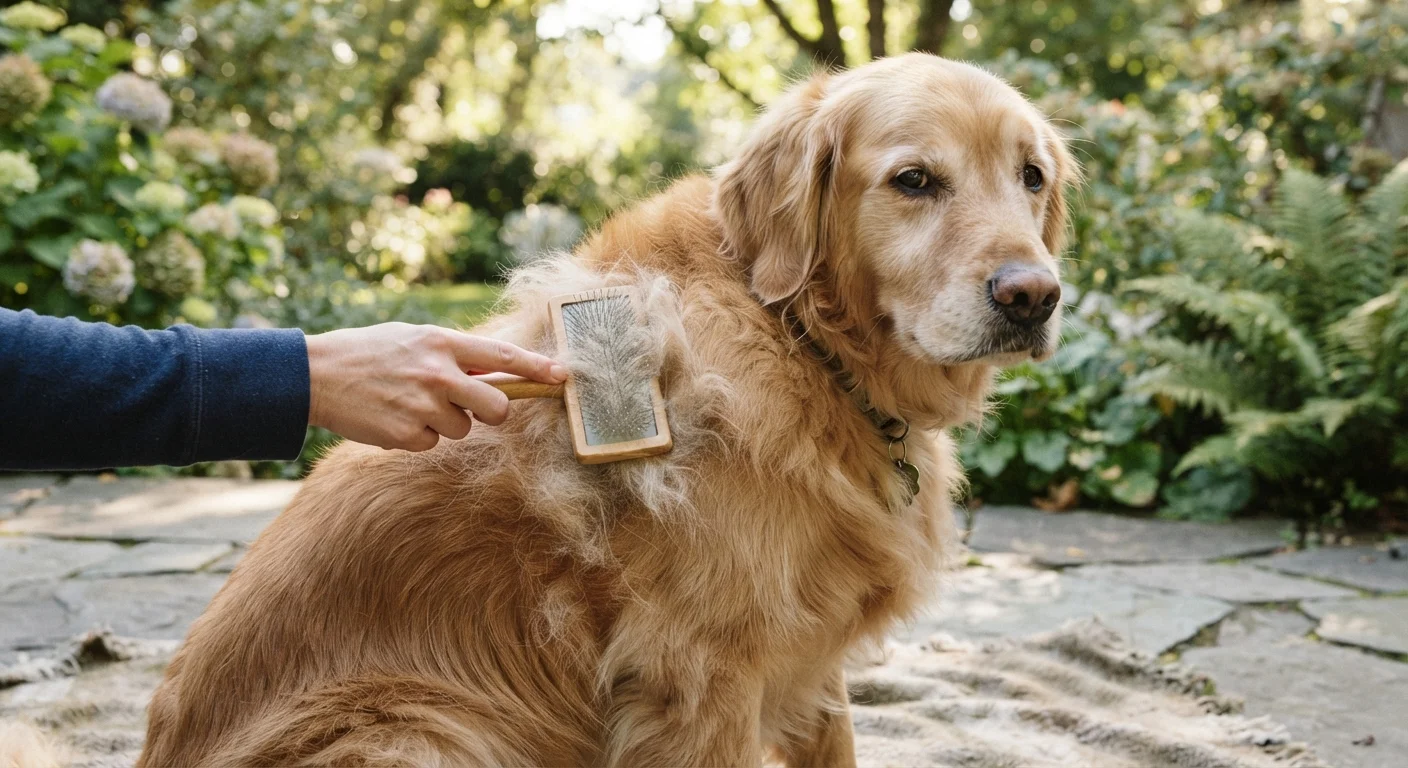
Double-coated breeds - such as Huskies, Golden Retrievers, and German Shepherds - have a dense, insulating undercoat beneath a longer outer layer of guard hairs. This coat type sheds heavily, especially twice a year during seasonal "blowing" periods. Brushing two to three times per week with an undercoat rake or de-shedding tool is typically necessary to prevent matting and reduce loose fur in the home. Never shave a double coat without veterinary guidance; the undercoat provides insulation in both cold and warm weather, and shaving can disrupt its regrowth pattern.
Single Coats
Breeds like Greyhounds, Boxers, and many terriers carry only a single layer of fur with no undercoat. These coats shed relatively little and are generally low-maintenance. A weekly once-over with a bristle brush or grooming mitt is usually enough to remove dead hair and distribute skin oils. Bathing every four to six weeks is a common guideline, though activity level and environment affect this.
Wiry (Broken) Coats
Wiry coats - found on dogs such as Wire Fox Terriers and Schnauzers - have a coarse, rough texture created by individual hairs with a harder outer shell. This coat type requires a technique called hand-stripping, which removes dead hairs at the root to maintain proper texture. Clipping a wiry coat instead of stripping changes the texture permanently, making future hand-stripping more difficult. These coats typically need professional attention every eight to twelve weeks.
Curly and Wavy Coats
Poodles, Portuguese Water Dogs, and many doodle-type mixes have curly or wavy coats that don't shed much but tangle easily. Without frequent brushing - often daily or every other day - curly coats develop tight mats that can pull on the skin and trap moisture. Professional trimming every six to eight weeks helps manage length. Because matting can be hard to detect in dense curls, owners should part the coat and check close to the skin regularly.
Double coat
A coat structure with two distinct layers: a soft, dense undercoat for insulation and longer, coarser guard hairs on top. Common in cold-weather and working breeds.
Undercoat
The soft, fluffy inner layer of fur found in double-coated breeds. It sheds seasonally and can mat if not regularly brushed out.
Hand-stripping
A grooming technique for wiry coats in which dead hairs are pulled out by the root - by hand or with a stripping knife - rather than clipped. It preserves the correct coat texture.
Guard hairs
The coarser outer hairs in a double coat that repel water and protect the undercoat. They give a coat its visible color and texture.
Matting
Tangled clumps of fur that tighten against the skin over time. Mats can cause discomfort, trap moisture, and hide skin conditions if not removed promptly.
Cats Have Coat Types Too
Cat coats follow similar principles. Short-haired cats generally manage much of their own grooming but benefit from a weekly brush to reduce hairballs and shedding. Semi-long and long-haired cats - including Maine Coons and Persians - have dense coats that mat easily, especially behind the ears, under the armpits, and at the base of the tail. Daily brushing is strongly recommended for these breeds. Bathing cats is rarely necessary, but coat type affects those decisions too: long-haired cats who get into something sticky or oily may need help that short-haired cats can handle on their own.
When in Doubt, Ask Your Veterinarian or Groomer
Mixed-breed pets may combine coat traits in unpredictable ways, making it harder to identify the right routine from breed profiles alone. A professional groomer or your veterinarian can assess your specific pet's coat and recommend a realistic brushing schedule and tool set. Starting with an expert evaluation can save significant time - and prevent painful matting.
Once you understand your pet's coat type, the next practical step is grooming your dog at home systematically, with the right tools and a consistent sequence that keeps sessions manageable.