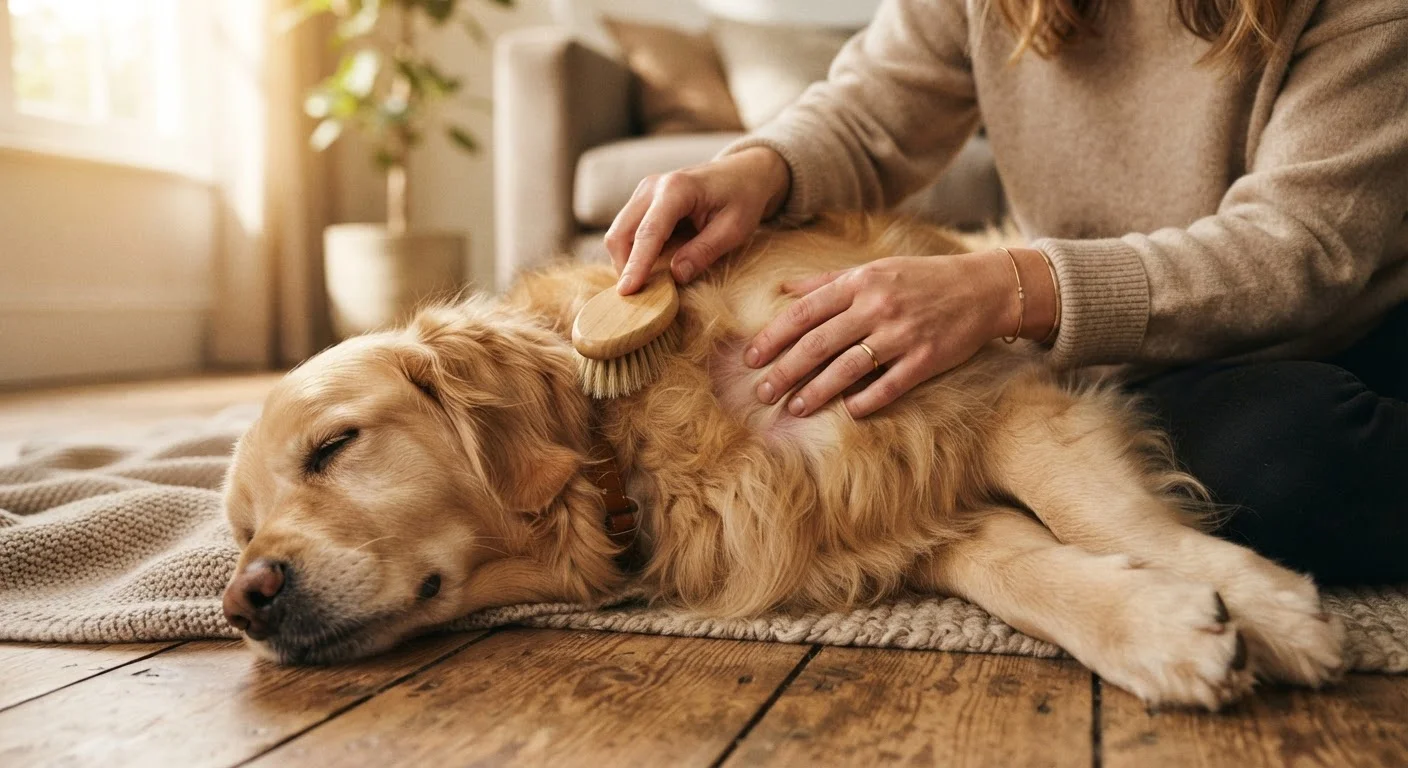
Why Grooming Is a Health Habit First
Most pet owners think of grooming as upkeep - keeping their dog or cat clean and neat. But veterinarians and animal behaviorists have long emphasized a more important function: grooming is one of the most reliable ways to detect health problems early, when they're most treatable.
Because you're running your hands across your pet's entire body, you're in a position to notice changes that a vet might only see at an annual exam. Matted fur can hide skin infections. A new lump under the coat may be the first sign of a cyst or growth. Thickened or discolored nails can signal fungal infections or circulation problems. This hands-on contact creates a health snapshot you simply can't get from across the room.
See our complete guide to building a healthy pet routine for how grooming fits into your broader daily care plan.
Grooming Works Best as a Routine, Not a Reaction
The health benefits of grooming come from consistency. When you groom regularly, you build a baseline of what's normal for your specific pet - making it much easier to notice when something has changed. Sporadic grooming makes unusual findings harder to interpret and easier to miss.
What to Look for During Every Grooming Session
Treat each grooming session as a structured scan of your pet's body. Work systematically from head to tail so you don't miss areas.
Part the fur and inspect the skin directly, not just the coat surface.
Skin conditions including hot spots, rashes, and early-stage infections are often hidden beneath the outer coat. Waiting until symptoms are visible on the surface frequently means the issue has already progressed. Direct skin inspection catches problems when they're still small.
Run your hands along the entire body to feel for new or changing lumps.
Lumps and masses often develop in areas you can't easily see - along the rib cage, near the armpits, or under the jaw. Regular tactile exams create a mental map of your pet's normal body, making new growths obvious. Early detection of masses significantly expands treatment options.
Check both ears at every session for odor, discharge, or redness.
Ear infections are among the most common veterinary complaints in dogs, and early signs - mild odor, slight redness, or head shaking - are easy to overlook. Catching an ear infection before it's painful prevents discomfort and avoids complications like chronic infection or hearing impact.
Examine nails for length, splitting, and discoloration at each trim.
Overgrown nails affect how a pet bears weight and can cause joint pain or postural strain over time. Discoloration or nail separation may indicate a fungal infection or injury that warrants veterinary attention. Regular trimming also keeps you familiar with what healthy nails look like for your individual pet.
Note any changes in coat texture, shininess, or excessive shedding.
A pet's coat is a visible indicator of internal health. Dull fur, brittle hair, or sudden excessive shedding can reflect nutritional deficiencies, hormonal imbalances (such as hypothyroidism in dogs), or systemic illness. Tracking coat condition over time gives your vet useful information during wellness exams.
Your pet's coat type will shape how often these checks happen and which tools work best. Coat type determines your grooming schedule - double-coated breeds may need weekly brushing, while short-haired cats might need far less.
Red Flags That Warrant a Vet Call
Most grooming sessions will be uneventful, and that consistency is what makes it easy to spot when something is off. Knowing which findings need a veterinarian's attention - rather than a wait-and-see approach - is part of being a capable pet owner.
85%
Dogs showing dental disease by age 3
According to the American Veterinary Medical Association, the majority of dogs show signs of periodontal disease by age three - a condition often first noticed during routine oral inspection at home.
#1
Most common reason for vet visits in dogs
Skin conditions and ear infections consistently rank among the top reasons dogs are brought to the veterinarian, conditions that attentive at-home grooming can catch earlier.
You can also pair grooming checks with a basic body condition score assessment to monitor your pet's weight and muscle mass at home. These two habits together give you a more complete picture of your pet's health between vet visits.
When to Contact Your Vet Right Away
Some findings during grooming should prompt an immediate veterinary call rather than a wait-and-see approach. These include: any lump that appears suddenly or grows quickly, open sores or wounds, strong or foul odors from ears or skin, eye discharge that is cloudy or colored, or nails that are bleeding or severely deformed. When in doubt, a quick call to your vet's office can help you decide whether the finding needs same-day attention.
This article is for general educational purposes only and is not a substitute for professional veterinary advice. Always consult a licensed veterinarian if you have concerns about your pet's health.
Making Health-Focused Grooming a Routine
The goal isn't perfection - it's consistency. A calm, predictable grooming routine makes your pet more comfortable with being handled, which directly benefits their experience at the vet. Pets that are regularly touched, examined, and groomed from a young age typically show less anxiety during medical exams.
Don't overlook dental health during grooming time. Brushing your dog's teeth can be introduced gradually as part of the same routine, making it less stressful for both of you. Oral disease is one of the most commonly missed conditions in pets - catching it early matters.