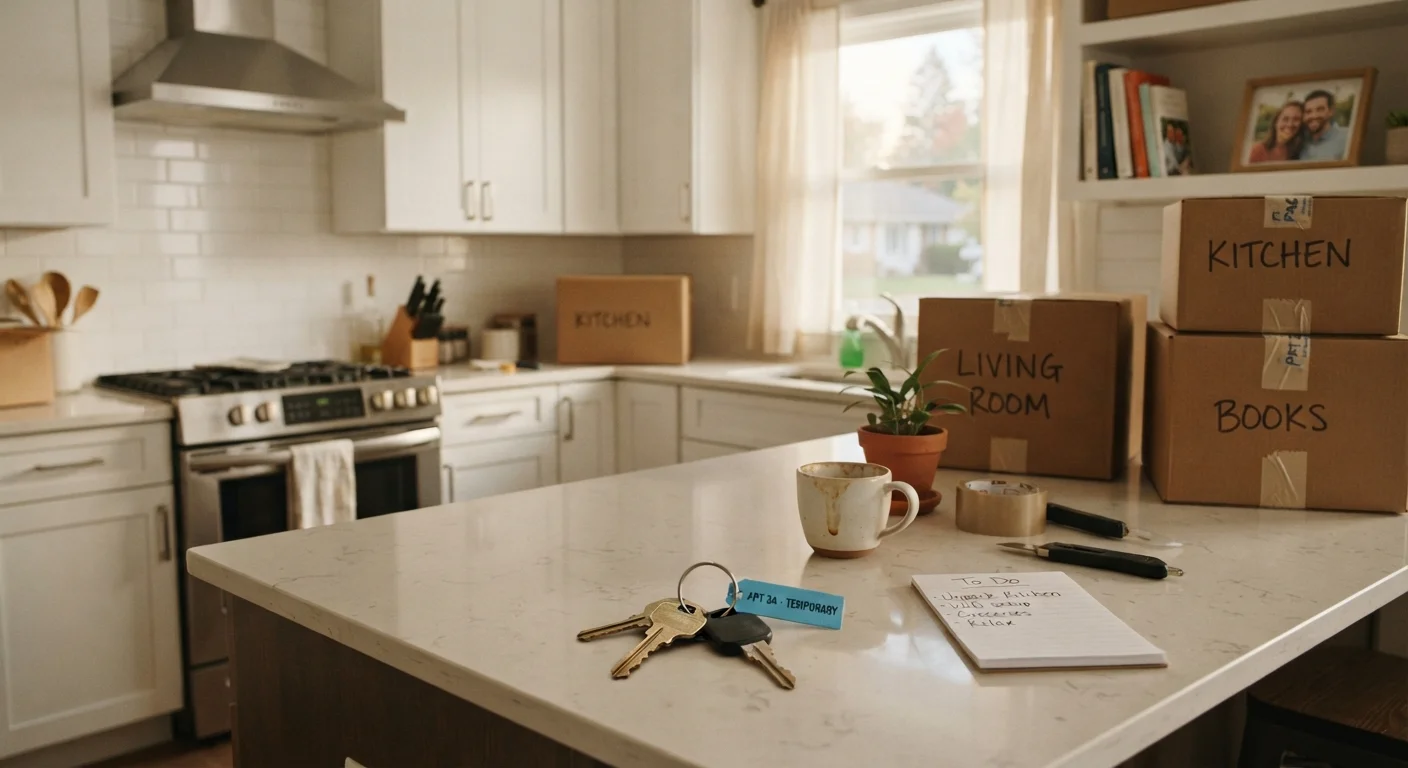
Why This Coverage Gets Overlooked
Most people review their insurance policy once, tuck it in a drawer, and only look at it again after something goes wrong. By then, it's easy to feel overwhelmed trying to decode what's covered and what isn't. Loss of use coverage is one of the most frequently overlooked benefits precisely because it doesn't come up unless your home or vehicle is seriously damaged.
Unlike your deductible or your liability limit-figures that tend to stick in memory-loss of use coverage sits quietly in the background of your policy. It's listed in the coverage breakdown of a standard homeowners policy as Coverage D, or tucked under 'Additional Living Expenses.' Renters are often surprised to learn their policy includes it too-see how renters insurance handles loss of use for more detail.
Check Your Declarations Page First
Your policy's declarations page-the summary document listing your coverages and limits-will show whether loss of use or additional living expenses coverage is included and at what limit. You don't need to read the entire policy to find this; it's usually listed alongside your dwelling and personal property coverage amounts. If you're unsure, your insurer or a licensed agent can walk you through it.
How Loss of Use Coverage Works in Practice
When a covered event-say, a kitchen fire or major storm damage-makes your home uninhabitable, your insurer can reimburse you for additional living expenses: the costs above what you would normally spend. That distinction matters. Your regular mortgage or rent is not reimbursable; the coverage targets the extra burden of displacement.
Eligible expenses typically include hotel or short-term rental fees, restaurant meals when your temporary housing lacks cooking facilities, pet boarding if your rental doesn't allow animals, and reasonable storage costs for your belongings. Every dollar reimbursed must be documented-insurers require receipts.
For a deeper look at how these expense limits play out during an actual claim, the article on loss of use coverage in home and renters insurance walks through the mechanics in detail.
Auto Policies: Rental Reimbursement Coverage
The same concept appears in auto insurance under a different name. Rental reimbursement coverage pays for a substitute vehicle while yours is being repaired after a covered accident or loss. Unlike homeowners policies where loss of use is usually standard, auto rental reimbursement is often an optional add-on-meaning you may not have it unless you specifically selected it.
Limits are structured differently here: typically a daily cap (often $30-$50 per day) and an overall maximum per claim. If a repair takes two weeks and your daily rental costs exceed the cap, you pay the difference. Checking your auto declarations page now-before you need it-is far less stressful than discovering a gap after an accident.
~30%
Typical homeowners ALE limit as a share of dwelling coverage
Many standard homeowners policies set the additional living expenses limit at 20-30% of the dwelling coverage amount, though this varies by insurer and policy tier.
$30-$50/day
Common auto rental reimbursement daily cap
Rental reimbursement limits in auto policies are frequently structured as a per-day maximum, which may not fully cover the cost of larger or specialty vehicles.
Your choice of valuation method on an auto or home claim can also affect how loss of use fits into the overall payout picture. The difference between actual cash value and replacement cost coverage shapes the total claim settlement, which in turn affects how long a repair might take and how long you rely on this benefit.
What Loss of Use Does Not Cover
Understanding the limits of this benefit is just as important as knowing what it includes. Loss of use coverage will not apply if the cause of damage is excluded from your policy-flood damage in a standard homeowners policy is a common example. It does not pay your normal living expenses, cover damage to your property itself, or provide income replacement if you cannot work.
Loss of use coverage is also not the same as disability insurance, which replaces income when illness or injury prevents you from working. Those are entirely separate products, as explained in the article on short-term and long-term disability insurance.
Document Everything From Day One
As soon as a covered event displaces you, start saving every receipt-hotel folios, restaurant bills, storage invoices. Insurers reimburse actual documented expenses, not estimates. A simple folder or phone photos of receipts goes a long way when it's time to submit your claim.
Finally, coverage ends when your home is repaired and habitable again-or when you reach the policy's dollar limit, whichever comes first. A lapsed policy eliminates these protections entirely; the consequences of a coverage lapse extend well beyond the gap period itself.
This article is for general informational purposes only and does not constitute personalized insurance, financial, or legal advice. Coverage terms, limits, and exclusions vary by policy and provider. Always review your actual policy documents and consult a licensed insurance professional for guidance specific to your situation.