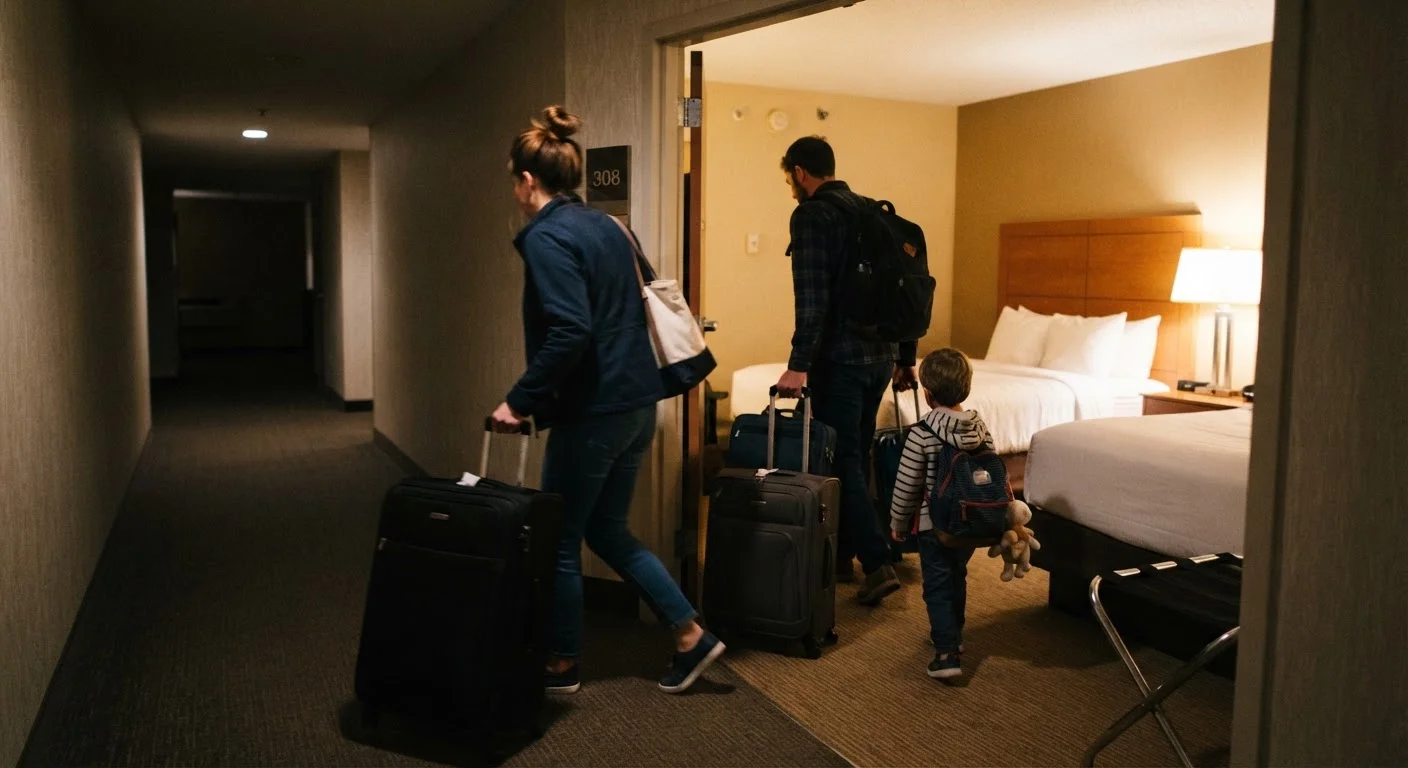
How Loss of Use Coverage Actually Works
When a covered peril - a fire, a burst pipe, wind damage from a storm - renders your home unsafe to live in, loss of use coverage steps in to bridge the financial gap between where you are and where you need to be. It does not pay your mortgage or rent directly; instead, it reimburses the additional living expenses you incur above and beyond your ordinary cost of living.
That distinction matters. If you normally spend $600 a month on groceries and household supplies, but displacement forces you to spend $900, the coverage may reimburse the $300 difference. The baseline is your typical spending pattern, not a blank check for new expenses.
The coverage applies only while your home is being repaired or rebuilt - and only for damage caused by a peril your policy covers. A flood, for instance, is generally excluded from standard homeowners and renters policies unless you carry a separate flood policy. Understanding this boundary is critical; the trigger for loss of use is always tied to the trigger for the underlying claim.
Documentation Is Essential for Reimbursement
Insurers require proof of expenses before reimbursing loss of use claims. Save every receipt - hotel invoices, restaurant bills, storage contracts - and keep a log of what you spent and why. Submitting organized documentation speeds up the claims process and reduces the chance of a disputed reimbursement.
This article provides general information about how loss of use coverage typically works. Coverage terms, limits, and exclusions vary by insurer and policy. Always read your policy documents carefully and consult a licensed insurance agent for guidance specific to your situation.
What Counts as a Covered Additional Living Expense
Insurers generally look for expenses that are both reasonable and necessary given the circumstances of your displacement. Common categories include:
- Temporary housing - hotel rooms, short-term rentals, or extended-stay accommodations
- Restaurant meals - when you lack access to a kitchen
- Laundry and dry cleaning - if your home's facilities are unavailable
- Pet boarding - if your temporary housing doesn't accept animals
- Storage fees - for belongings removed from a damaged property
What is generally not covered: expenses you would have incurred anyway (your car payment, for example), luxury upgrades you choose to make while displaced, or costs unrelated to the inhabitable status of your home.
Review Your Declarations Page Before You Need This Coverage
Your policy's declarations page lists your Coverage D (or loss of use) limit in plain figures. Knowing this number before a loss occurs lets you plan realistically - and helps you decide whether your current limit reflects the actual cost of temporary housing in your area. If it seems low, a licensed agent can walk you through options.
To learn how loss of use fits alongside other standard components of a renters policy, see our article on what renters insurance actually covers.
Policy Limits and Time Constraints
Every policy places a ceiling on loss of use benefits. For homeowners policies, Coverage D is commonly set at 20-30% of your dwelling coverage limit. If your home is insured for $300,000, you may have $60,000-$90,000 available for additional living expenses. Renters policies typically base the limit on a percentage of personal property coverage instead.
Beyond dollar limits, many policies also impose a time limit - often 12 to 24 months - on how long benefits can be paid. If your repair takes longer than expected, coverage may expire before you return home.
20-30%
Typical loss of use limit as share of dwelling coverage
This percentage-based structure is a standard industry approach, though actual limits vary by insurer and policy type.
12-24 months
Common maximum duration for loss of use benefits
Many standard homeowners and renters policies cap the benefit period at one to two years, regardless of when repairs are completed.
Because limits and timeframes differ widely, the most reliable way to know your specific coverage is to review your declarations page - the summary document at the front of your policy packet - or ask your agent directly. For broader guidance on evaluating your overall coverage picture, the Choosing Coverage hub can help you think through what to assess.
Homeowners vs. Renters: How the Benefit Differs
The mechanics of loss of use coverage are nearly identical in homeowners and renters policies - the key difference lies in how the dollar limit is calculated and the scope of the underlying policy. Homeowners carry dwelling coverage, which sets a larger base for the percentage calculation. Renters, who don't insure the structure itself, work from a personal property limit, which tends to be smaller.
Both policy types, however, provide the same basic protection: reimbursement for reasonable, documented extra expenses during a covered displacement. Homeowners and renters insurance protect very different things, but on this particular benefit, they function in parallel.
For a deeper look at the mechanics of this coverage and how it can apply to vehicle repairs as well, loss of use coverage is a benefit many policyholders overlook entirely until they need it.