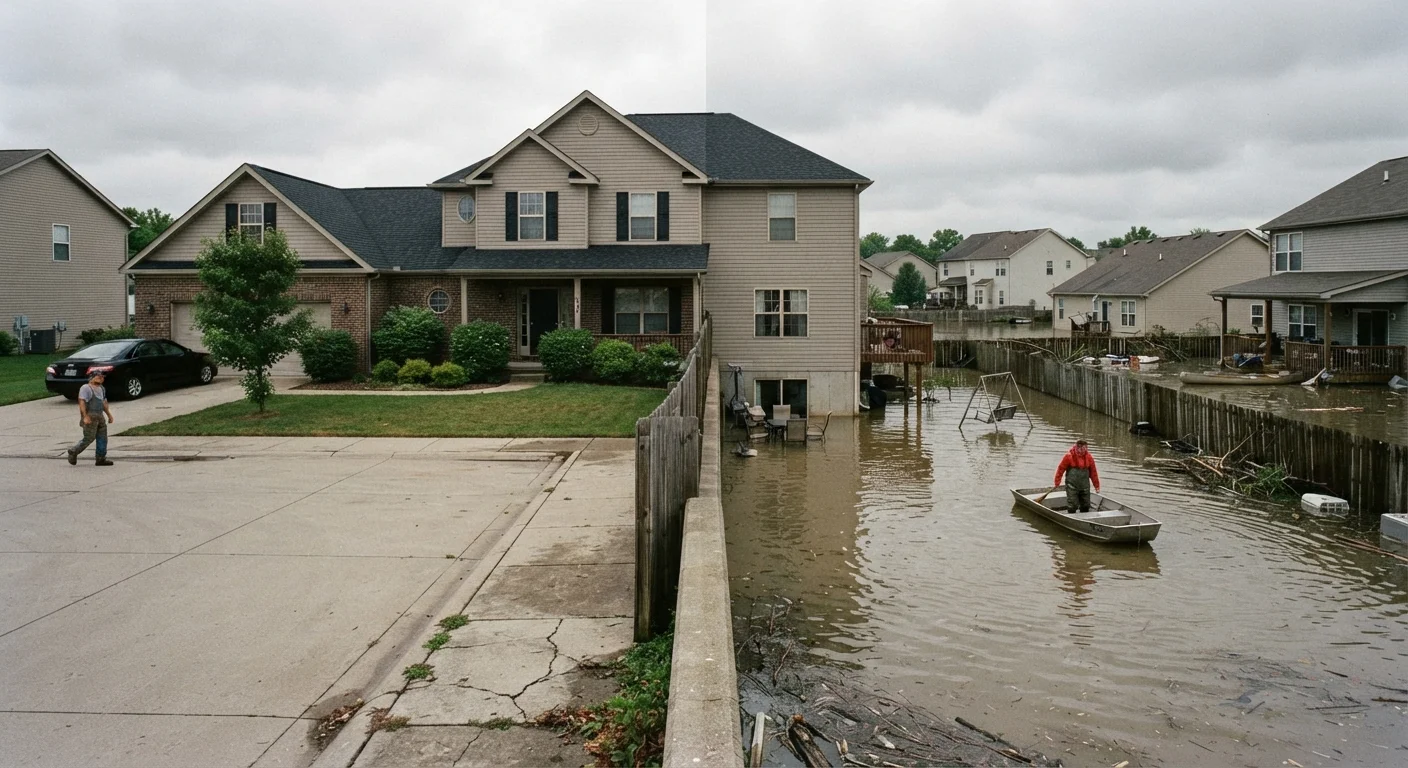
The Core Distinction: What Homeowners Insurance Actually Covers
Homeowners insurance is structured around a list of covered perils - specific causes of damage the policy will pay for. These typically include fire, lightning, windstorm, hail, theft, vandalism, and certain types of water damage (such as a pipe bursting inside the home). Liability protection, which covers injuries to others on your property, is also bundled in most standard policies.
What's largely absent from that list? Flooding - defined as water that originates outside the home and inundates the structure. This includes overflow from rivers, storm surge, heavy rainfall accumulation on the ground, and even overflow from a nearby drainage system. The Insurance Services Office (ISO), which provides the policy language used by most U.S. home insurers, explicitly excludes flood damage from standard homeowners forms.
To understand what perils are named versus what's broadly excluded, see our guide on open perils vs. named perils policies. For a broader look at how natural disasters are treated across policy types, this overview of natural disaster coverage maps what requires a separate policy.
| Criterion | Homeowners Insurance | Flood Insurance |
|---|---|---|
| Flood damage covered? | No - explicitly excluded | Yes - primary purpose |
| Fire, wind, theft coverage | Yes | No |
| Liability protection | Yes | No |
| Additional living expenses (ALE) | Typically included | Not covered under NFIP |
| Primary source | Private insurers | NFIP or private insurers |
| Waiting period | Varies by insurer | 30 days (NFIP standard) |
| Contents coverage | Included (personal property) | Purchased separately |
| Lender requirement | Required for most mortgages | Required in FEMA high-risk zones |
What Flood Insurance Covers - and How It's Structured
Flood insurance is a standalone policy designed specifically to fill the gap that homeowners insurance leaves. In the United States, the primary source is the National Flood Insurance Program (NFIP), administered by the Federal Emergency Management Agency (FEMA). Some private insurers also offer flood coverage, sometimes with higher limits or additional features.
A standard NFIP policy is split into two separate coverages:
- Building coverage: Protects the physical structure - foundation, walls, electrical systems, plumbing, HVAC, and permanently installed fixtures. NFIP building coverage is capped at $250,000 for residential properties.
- Contents coverage: Protects personal belongings such as furniture, electronics, clothing, and appliances. This is purchased separately and carries its own cap of $100,000 under NFIP.
Importantly, flood insurance typically does not cover living expenses if you're displaced - known as ALE - while your home is being repaired. Homeowners insurance often does include ALE. This is one reason both policies working together provides the most complete protection.
~40%
Flood claims from outside high-risk zones
FEMA has reported that a substantial portion of NFIP claims come from properties not located in designated Special Flood Hazard Areas.
$250,000
NFIP building coverage cap (residential)
The National Flood Insurance Program sets a maximum building coverage limit of $250,000 for residential structures under standard policies.
Flooding is also not unique to coastal or riverfront areas. FEMA estimates that a significant share of flood insurance claims come from properties located outside high-risk flood zones. For more on what standard policies leave out, see why flood and earthquake coverage are excluded from standard home policies.
Key Differences, Waiting Periods, and Who Needs Flood Coverage
One practical detail many homeowners miss: flood insurance policies typically carry a 30-day waiting period before coverage takes effect under NFIP. You cannot purchase a flood policy the day before a named storm and expect to be covered. Planning ahead - ideally before hurricane season or periods of elevated flood risk - is essential.
Lenders are legally required to mandate flood insurance for homes with federally backed mortgages located in Special Flood Hazard Areas (SFHAs) - zones designated by FEMA as having a 1% or greater annual flood chance (often called the "100-year floodplain"). But even homeowners outside these zones may benefit from coverage, since flood risk exists in virtually every U.S. county.
Flood Zone Designations Can Change
FEMA periodically updates its flood maps through a process called map modernization. A property that was previously outside a Special Flood Hazard Area may be remapped into one - and vice versa. Homeowners should check their property's current flood zone status using FEMA's Flood Map Service Center and reassess their coverage needs if their designation changes.
The question of whether you need flood insurance is separate from whether your lender requires it. Requirements satisfy a legal threshold; personal risk tolerance, your home's elevation, and local drainage infrastructure all factor into whether purchasing coverage is prudent even where it isn't mandated.
If you're weighing how flood insurance fits into your broader coverage decisions, the Choosing Coverage hub offers structured guidance. And if you're also curious how earthquake exclusions work - another common homeowners policy gap - see what earthquake insurance covers and why standard policies exclude it.
This article is for general informational purposes only and does not constitute personalized insurance, financial, or legal advice. Coverage terms, limits, and exclusions vary by policy and provider. Consult a licensed insurance agent or adviser to evaluate your specific situation and policy needs.