Why Your Homeowners Policy Won't Cover an Earthquake
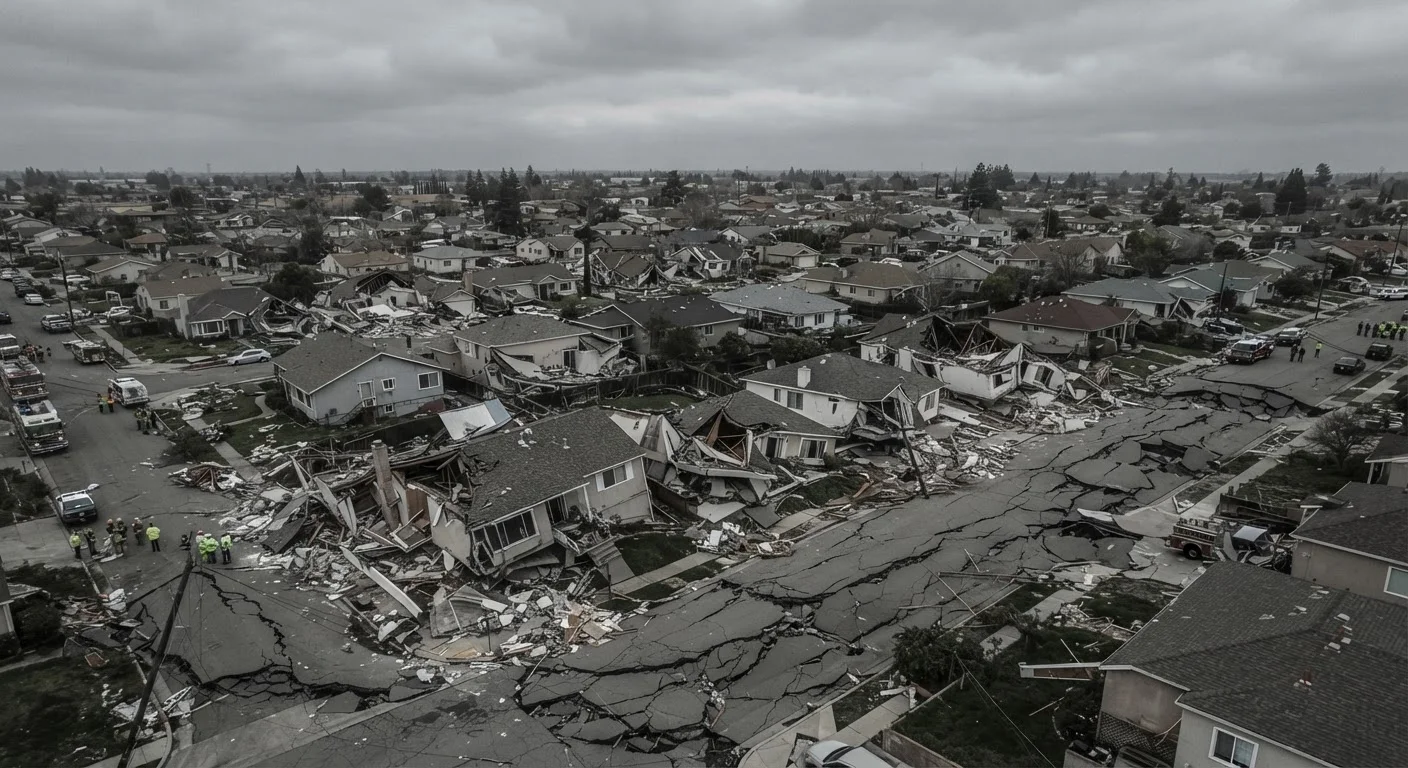
If an earthquake cracks your foundation, collapses a chimney, or renders your home uninhabitable, your standard homeowners policy will not pay for most of that damage. Earthquake damage is a named exclusion in nearly every standard policy - meaning the insurer has explicitly removed it from coverage rather than simply not mentioning it.
The reason insurers exclude earthquakes comes down to risk concentration. When an earthquake strikes, it affects entire cities or regions at once. Unlike a house fire - where risk is spread across many independent events - a major seismic event can generate thousands of simultaneous claims. That simultaneous, correlated loss makes it economically impractical to bundle earthquake coverage into an affordable standard policy. For more on how insurers use exclusions to define what they will and won't pay, see how policy exclusions work.
The same logic applies to flood damage. Standard homeowners policies cover many perils - fire, windstorm, theft, and more - but catastrophic natural events that strike broadly and simultaneously are handled separately.
What Earthquake Insurance Covers
A standalone earthquake policy is generally structured around three coverage areas:
- Dwelling coverage: Pays to repair or rebuild the physical structure of your home - walls, foundation, roof, and attached structures - if damaged by seismic activity.
- Personal property coverage: Reimburses you for damaged or destroyed belongings such as furniture, electronics, and clothing. Breakage of fragile items like dishes may require specific coverage language.
- Loss of use (additional living expenses): Covers temporary housing, meals, and related costs if your home is uninhabitable following a covered earthquake.
Some policies also offer coverage for emergency repairs to prevent further damage, and for masonry or chimney work that falls outside standard dwelling repair. What is not covered is equally important: land damage, landscaping, vehicles (covered under auto insurance), and damage caused by fire or flooding that occurs after an earthquake may be subject to separate policy provisions.
~90%
U.S. homeowners without earthquake insurance
According to the Insurance Information Institute, the vast majority of American homeowners carry no earthquake coverage despite widespread seismic risk.
10-25%
Typical earthquake policy deductible range
Earthquake deductibles are usually a percentage of the insured home value, not a flat dollar amount, which can mean tens of thousands in out-of-pocket costs.
42 states
States with measurable seismic hazard
The U.S. Geological Survey identifies seismic hazard in 42 states, underscoring that earthquake risk is not limited to the West Coast.
Understanding the Deductible Structure
Earthquake insurance deductibles work differently than most insurance deductibles. Instead of a flat amount - say, $1,000 - earthquake policies typically use a percentage deductible based on the insured value of your home. That percentage commonly ranges from 10% to 25%.
For example, if your home is insured for $400,000 and your deductible is 15%, you would be responsible for the first $60,000 in repair costs before your policy begins to pay. This structure can be a significant financial shock for homeowners who are not expecting it.
Calculate What Your Deductible Would Cost
Before purchasing a policy, multiply your home's insured value by the deductible percentage to see your actual out-of-pocket exposure. A 15% deductible on a $350,000 home means you would pay $52,500 before coverage begins. Knowing this number helps you compare policies and decide how much emergency savings to maintain alongside your coverage.
The high deductible structure is a key reason why many homeowners choose not to carry earthquake insurance - or why they are underinsured when a claim occurs. When evaluating a policy, it is important to understand not just the premium cost, but how much you would need to cover out of pocket before coverage kicks in.
Who Should Consider Earthquake Coverage and How to Evaluate It
Earthquake risk is not limited to California, though that state has the most concentrated seismic activity in the U.S. Major fault systems run through the Pacific Northwest, the New Madrid Seismic Zone in the central United States, and parts of the East Coast. The U.S. Geological Survey (USGS) publishes publicly available seismic hazard maps that can help homeowners understand the risk profile of their area.
When considering earthquake coverage, a few key questions are worth exploring:
- What is the seismic risk in your specific location?
- What is the replacement value of your home and belongings?
- Could you afford the out-of-pocket deductible if a major event occurred?
- Does your mortgage lender require it?
For a broader look at how different natural disasters are treated by insurers, this guide to natural disaster coverage maps which events require separate policies and why.
Earthquake vs. Flood: Two Separate Gaps
Earthquake and flood damage are both excluded from standard homeowners policies, but they are covered by entirely different programs and policy types. Flood coverage is available through the National Flood Insurance Program (NFIP) and some private insurers, while earthquake coverage is handled exclusively through separate private policies or endorsements. See why both exclusions exist for a side-by-side comparison.
This article is for general educational purposes only and does not constitute personalized insurance advice. Coverage terms, availability, and pricing vary by location and provider. Consult a licensed insurance agent to evaluate options appropriate for your situation.