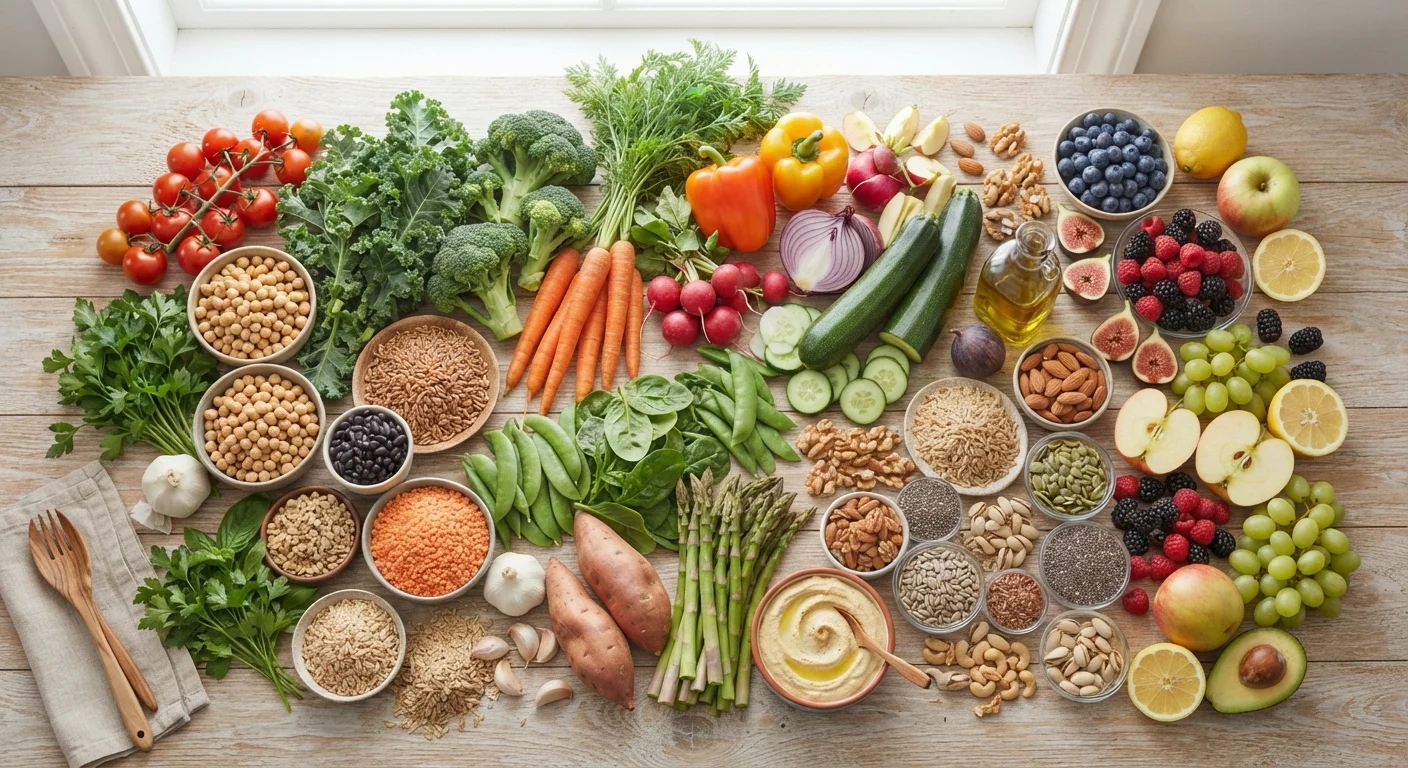
What 'Plant-Based' Actually Means
The term plant-based eating gets used loosely, which can make it confusing. At its core, it describes a dietary pattern in which foods derived from plants - vegetables, fruits, whole grains, legumes, nuts, and seeds - form the majority of what someone eats. It does not automatically mean vegan or vegetarian, though those patterns fall within its spectrum.
Think of plant-based eating as a continuum. On one end are fully plant-exclusive diets; on the other are people who simply shift their meals toward more vegetables, beans, and whole grains while still eating some meat or dairy. Both ends count. This flexibility is part of why nutrition researchers often study plant-based dietary patterns broadly, rather than only strict veganism.
Plant-based diet
A way of eating that prioritizes foods derived from plants - vegetables, fruits, grains, legumes, nuts, and seeds - as the main source of nutrition, while reducing or eliminating animal products.
Flexitarian
A mostly plant-based eating pattern that occasionally includes meat or other animal products, offering flexibility rather than strict exclusion.
Legumes
A family of plants whose seeds are used as food, including beans, lentils, chickpeas, peas, and soy - all significant protein and fiber sources in plant-based diets.
Phytonutrients
Naturally occurring compounds found in plants that are studied for their potential role in supporting health, including antioxidants and anti-inflammatory substances.
Complete protein
A protein source that provides all nine essential amino acids in adequate amounts. Most animal proteins are complete; plant proteins often need to be combined across multiple foods.
Vitamin B12
A nutrient essential for nerve function and red blood cell production that is found almost exclusively in animal-derived foods, making it a key consideration for strict plant-based eaters.
Core Foods and What Gets Limited
A plant-based diet emphasizes:
- Vegetables and fruits - in as wide a variety as practical
- Whole grains - such as oats, brown rice, quinoa, barley, and whole wheat
- Legumes - beans, lentils, chickpeas, peas, and soy foods like tofu and tempeh
- Nuts and seeds - including nut butters and tahini
- Healthy fats - from avocado, olive oil, and similar sources
What gets reduced - or eliminated depending on the approach - includes red and processed meats, poultry, fish, dairy, and eggs. The extent of that reduction varies widely by individual. Federal dietary guidelines for Americans have consistently encouraged greater vegetable and legume intake, noting that most Americans fall well short of recommended amounts. For a closer look at commonly underconsumed vegetables, see vegetables most Americans don't eat enough of.
It's also worth noting that not all plant-based food is inherently whole or minimally processed. Packaged plant-based meat alternatives can be highly processed and high in sodium. The distinction between whole and processed foods matters here just as much as whether the food comes from a plant.
What the Research Associates With Plant-Based Diets
A substantial body of observational research associates higher plant food intake with lower risks of several chronic conditions, including cardiovascular disease, type 2 diabetes, and certain cancers. Large cohort studies and systematic reviews have found these associations repeatedly, though it's important to note that observational data shows association, not causation - people who eat more plants may also differ in other lifestyle factors.
The American Heart Association and the Dietary Guidelines Advisory Committee have both highlighted plant-forward dietary patterns as consistent with health-supporting eating. Mechanisms researchers point to include higher fiber intake, lower saturated fat consumption, increased antioxidant and phytonutrient density, and favorable effects on body weight and gut microbiome composition. For more on that last point, see what research shows about gut health and nutrition.
Emerging work in nutritional psychiatry is also exploring potential connections between diet quality and mental wellbeing. See the relationship between diet and mental health for a grounded overview of that evidence.
Quality Matters as Much as Pattern
Studies that show benefits from plant-based eating typically focus on whole and minimally processed plant foods - not packaged alternatives. When evaluating the research, check whether the studies examined whole-food plant diets or simply plant-origin foods regardless of processing level. Comparing dietary patterns to the Mediterranean approach can also be instructive; see how the Mediterranean diet compares nutritionally.
Protein and Nutrient Considerations
One of the most common questions about plant-based eating is whether it can adequately supply protein. The short answer is yes - with intentional food choices. Legumes, soy foods, whole grains, nuts, and seeds all contribute protein. Eating a varied diet across these food groups throughout the day helps provide the full spectrum of essential amino acids your body needs. For a detailed comparison of how plant and animal protein sources stack up, see protein sources compared.
Beyond protein, a few specific nutrients warrant attention for people following stricter plant-based patterns:
- Vitamin B12: Found almost exclusively in animal products. Supplementation or consumption of fortified foods is generally recommended for those who exclude animal products entirely.
- Omega-3 fatty acids: ALA (alpha-linolenic acid) is found in flaxseeds, chia seeds, and walnuts, but conversion to EPA and DHA in the body is limited. Algae-based supplements are one option for those avoiding fish.
- Iron and zinc: Present in legumes and grains, but in a form less readily absorbed than from meat. Pairing with vitamin C-rich foods can help absorption.
- Calcium and vitamin D: Especially relevant for those avoiding dairy; fortified plant milks and varied food choices can help, but individual needs vary.
Anyone with specific health concerns or who is managing a medical condition should work with a registered dietitian before making major dietary changes. See what to know about dietary supplements for background on supplementation basics.
Special Populations Need Extra Guidance
Pregnant or breastfeeding individuals, children, older adults, and people managing chronic health conditions have distinct nutritional needs that may not be fully addressed by general plant-based guidance. If you fall into any of these groups, it's especially important to consult a registered dietitian or your healthcare provider before significantly changing your diet. Do not rely on general articles - including this one - as a substitute for personalized professional advice.
Getting Started Practically
Shifting toward more plant-based eating doesn't require an overnight overhaul. Small, consistent changes tend to be more sustainable than dramatic eliminations. Some approaches that nutrition educators commonly suggest include:
- Adding a legume-based dish (lentil soup, bean tacos, chickpea salad) to your weekly routine
- Making vegetables the largest portion of one meal per day
- Swapping refined grains for whole-grain versions incrementally
- Exploring cuisines that traditionally center plant foods - such as Mediterranean, Indian, or East Asian cooking
Meal planning is a practical tool that can help you build consistency without overcomplicating things. Similarly, mindful eating practices can complement dietary changes by encouraging awareness of hunger, satiety, and food choices.
There is no single correct version of plant-based eating. The most useful question isn't whether your diet is perfectly plant-based, but whether it's moving in a direction that aligns with your health goals - and is one you can realistically sustain.
Dietary Guidelines for Americans
The federal government's evidence-based nutrition framework, updated every five years, includes detailed guidance on plant food intake recommendations and dietary patterns across life stages.
Academy of Nutrition and Dietetics
The professional organization for registered dietitians offers publicly accessible position papers and consumer resources on plant-based eating, including practical nutrient planning guidance.
MyPlate (USDA)
A free planning framework from the USDA that helps consumers visualize food group proportions and explore how to build more plant-centered meals within everyday eating patterns.
This article is for general informational and educational purposes only and does not constitute medical or nutritional advice. Consult a qualified healthcare provider or registered dietitian for guidance tailored to your individual health needs.