Why the Gut Microbiome Became Central to Nutrition Science
A decade ago, gut health was a niche topic in gastroenterology. Today, it sits at the intersection of nutrition, immunology, and even mental health research. The shift was driven largely by advances in DNA sequencing technology, which allowed scientists to catalog and study the vast microbial communities living in the human digestive tract in far greater detail than before.
What emerged was a clearer picture of just how active these microbes are. The gut microbiome helps break down dietary fiber that human enzymes cannot process, produces short-chain fatty acids that nourish the colon lining, synthesizes certain vitamins, and interacts extensively with the immune system. Roughly 70% of immune cells are located in or around the gut - a fact that underscores how deeply digestion and immunity overlap.
For everyday American consumers, this means gut health is no longer just about digestion. Researchers are investigating links between microbiome composition and conditions ranging from metabolic disorders to inflammatory disease. That said, much of this research is still observational, and translating findings into clear dietary guidance remains an active and sometimes contested process.
Correlation vs. Causation in Microbiome Research
A significant proportion of microbiome studies are observational - they identify associations between microbial composition and health outcomes, but cannot confirm that one directly causes the other. Many are also conducted in small or specific populations, limiting how widely findings can be applied. When reading microbiome research in the news, it's worth checking whether a study involved human participants and whether it was randomized and controlled.
What Diet Does to the Microbiome - Evidence So Far
Of all the factors that shape the gut microbiome, diet is among the most modifiable. Research suggests several consistent patterns worth understanding:
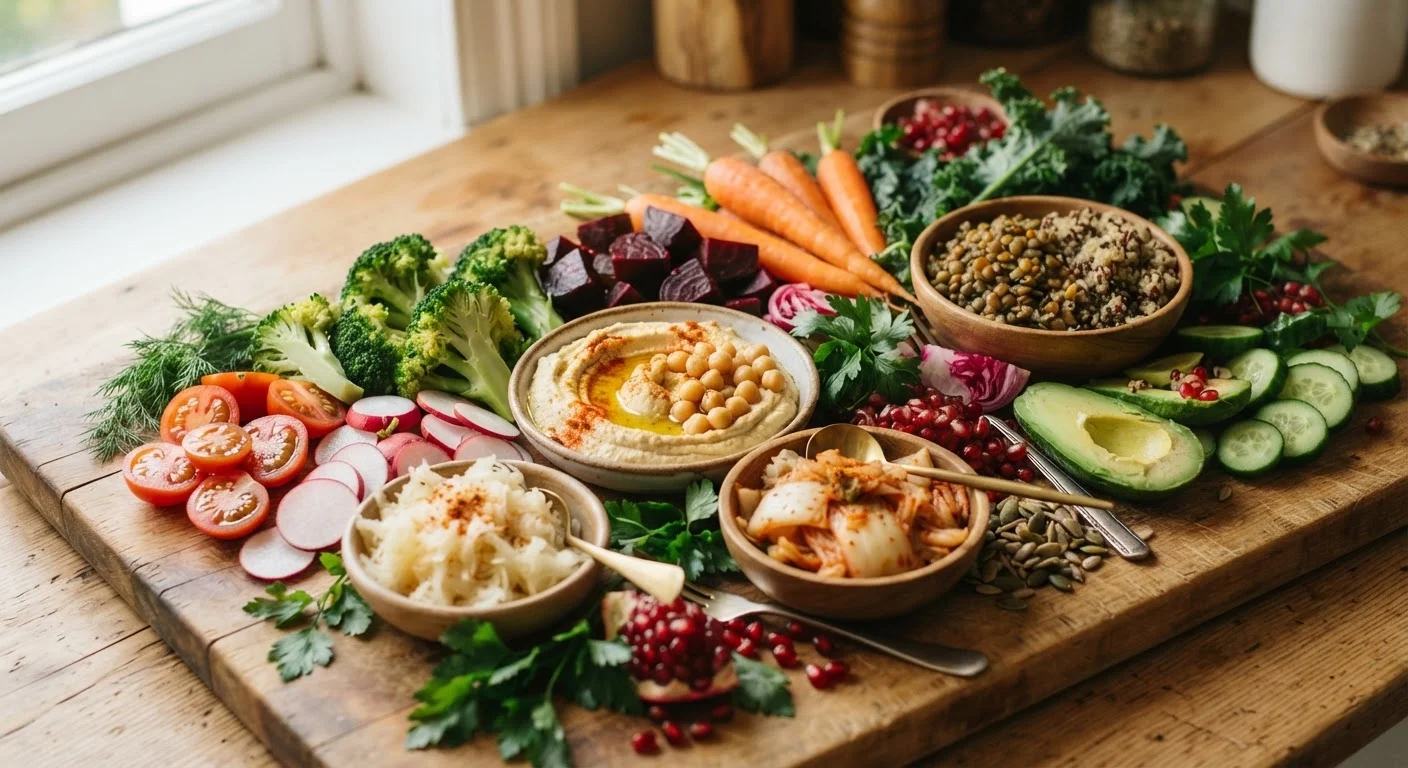
- Dietary fiber is foundational. Fiber - particularly the types found in vegetables, legumes, whole grains, and fruits - serves as the primary fuel source for beneficial gut bacteria. Higher fiber intake is reliably associated with greater microbial diversity, which is generally considered a marker of a healthier microbiome.
- Ultra-processed food is associated with reduced diversity. Studies have linked diets high in ultra-processed foods - those with many additives, refined sugars, and little fiber - to lower microbial diversity and higher levels of pro-inflammatory bacteria. This is an area of growing concern in American dietary patterns.
- Fermented foods show promise. A 2021 study published in Cell found that a diet high in fermented foods increased microbiome diversity and reduced markers of inflammation. However, individual responses varied, and researchers caution against overgeneralizing. See our overview of fermented foods and gut health for a closer look at the evidence.
~38 trillion
Estimated microbial cells in the human gut
Research published in Cell (Sender et al.) estimates the number of microbial cells in the body is roughly equal to - or slightly exceeds - the number of human cells.
~70%
Proportion of immune cells located in or near the gut
Immunology research consistently identifies the gut-associated lymphoid tissue as the largest immune organ in the body, highlighting the overlap between digestion and immunity.
High
Variability in individual microbiome composition
Studies including the Human Microbiome Project have demonstrated that no two individuals share an identical microbiome, even among identical twins - underscoring why universal dietary prescriptions are difficult.
Plant-forward eating patterns - including those discussed in our article on plant-based eating and the research - tend to correlate with higher microbial diversity in observational studies, though causality is difficult to establish.
The Gut-Brain Connection: Emerging and Still Uncertain
One of the most compelling - and frequently overstated - areas of microbiome research involves the gut-brain axis. The gut and brain communicate via the vagus nerve, the immune system, and microbial metabolites. Some studies in animal models have shown that altering the gut microbiome can affect behavior and stress responses. Human research is more limited but growing.
Nutritional psychiatry - a field exploring how diet affects mental health - is investigating whether microbiome composition plays a role in conditions like depression and anxiety. The associations found so far are intriguing, but the evidence does not yet support claims that eating specific foods will treat or prevent mental health conditions. Our related article on diet and mental health research explores what studies are currently investigating in that space.
“The gut microbiome is not a static entity - it responds dynamically to what we eat, how we live, and the environment around us. Understanding that variability is essential before we can translate microbiome science into meaningful clinical recommendations.”
— Justin Sonnenburg, Professor of Microbiology and Immunology, Stanford University School of Medicine
For now, supporting gut health through well-established dietary habits - fiber variety, limited ultra-processed food, adequate hydration - remains the most evidence-grounded approach available.
Probiotics, Prebiotics, and Personalized Nutrition
Consumer interest in probiotics and prebiotics has grown rapidly, and the market for supplements, functional foods, and microbiome testing has expanded to match. Understanding what these terms actually mean helps in evaluating the claims attached to them.
- Probiotics
- Live microorganisms that, when consumed in adequate amounts, may confer a health benefit. The evidence varies significantly by strain and condition. Robust evidence exists for specific strains in contexts like antibiotic-associated diarrhea, but general-purpose gut health claims are less well-supported.
- Prebiotics
- Compounds - typically fiber - that selectively feed beneficial gut bacteria. Foods like garlic, onions, oats, and bananas are natural prebiotic sources. Getting prebiotics from whole foods is the most widely recommended approach.
- Personalized nutrition
- An emerging area that aims to tailor dietary recommendations to an individual's microbiome profile. While scientifically interesting, it is not yet a clinical standard, and consumer-facing microbiome tests should be interpreted cautiously.
Focus on Dietary Diversity First
Rather than targeting specific probiotic supplements or trendy gut health products, nutrition researchers broadly agree that increasing the variety of plant foods in your diet is a practical and well-supported starting point. Aim to include a range of vegetables, legumes, whole grains, and fruits regularly - each brings different types of fiber that feed different microbial communities. Small, consistent changes tend to be more sustainable than dramatic overhauls.
If you're trying to evaluate headlines about gut health breakthroughs, our guide to navigating conflicting nutrition headlines offers a useful framework for reading nutrition research more critically.
This article is for general informational and educational purposes only and does not constitute medical or nutritional advice. Consult a qualified healthcare professional or registered dietitian for guidance specific to your health needs.