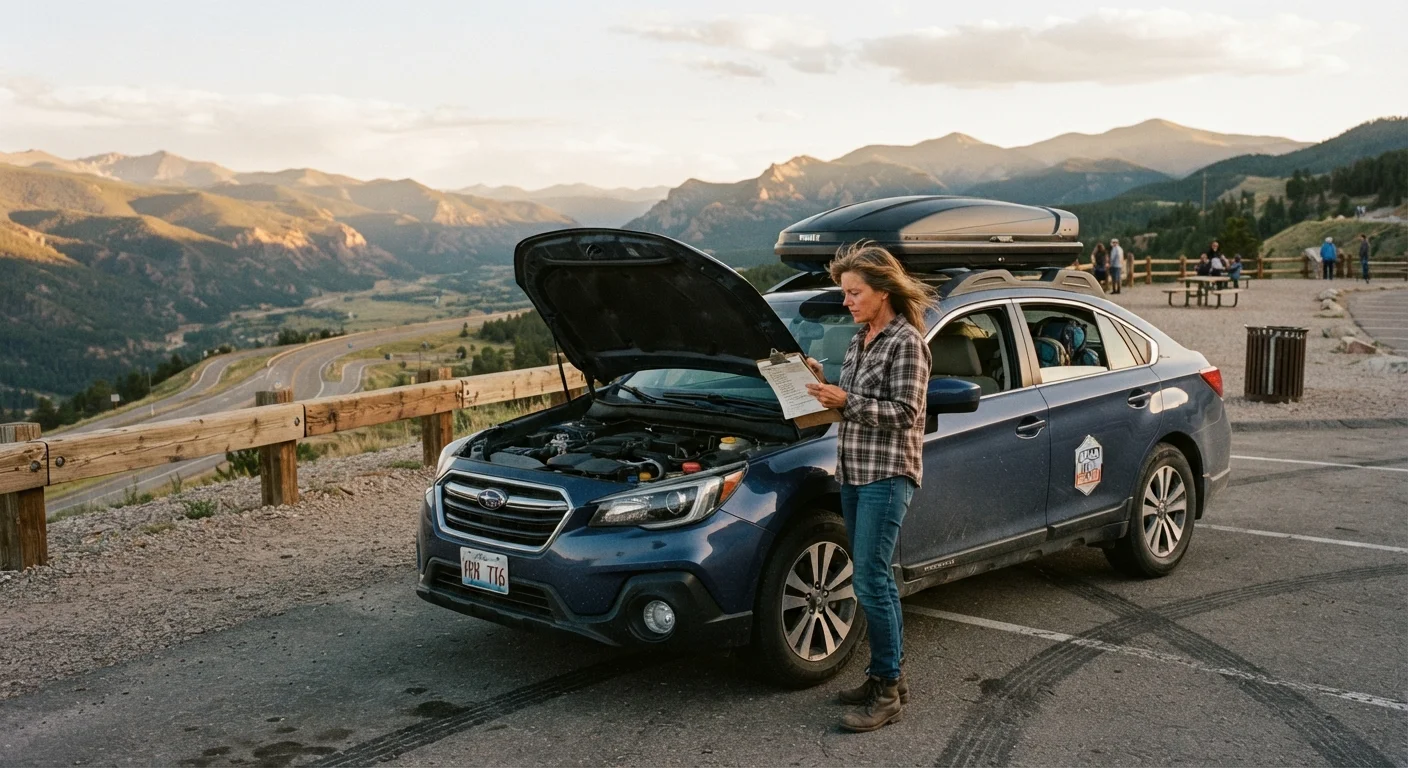
Why Pre-Trip Prep Matters More Than You Think
A long road trip places demands on your vehicle that everyday commuting simply doesn't. Sustained highway speeds, hours of continuous operation, and changing road conditions all stress components that might otherwise go unnoticed. A breakdown far from home is not just inconvenient - it can be costly and, in some situations, genuinely dangerous.
This checklist is designed to help you systematically confirm that your car is road-ready before you leave the driveway. Work through it a few days before your departure date so you have time to address anything that needs attention. If your vehicle is overdue for scheduled maintenance, consider pairing this checklist with a visit to a qualified mechanic - see our guide on what mechanics examine during a safety inspection for a sense of what a professional review involves.
Start Your Checks Days Before You Leave
Attempting to address mechanical problems the morning of departure leaves no margin for error. Shops may not have same-day availability, parts may need to be ordered, and rushing increases the chance of missing something important. Aim to complete this checklist at least two to three days before your trip so any issues can be properly resolved.
Tools and Resources You'll Need
Most of this checklist requires nothing more than a few minutes and basic awareness. A handful of inexpensive tools make the process more accurate and complete.
Tire pressure gauge
Accurately measure tire inflation so you can match manufacturer specifications before the trip.
Tread depth gauge
Measure remaining tire tread to determine whether tires are safe for highway driving.
Flashlight or headlamp
Illuminate engine bay components and under-vehicle areas during inspection.
Fluid top-off supplies
Have the correct engine oil, coolant, and washer fluid on hand to top off during inspection.
Battery tester or multimeter
Check battery voltage and condition, particularly for batteries over three years old.
Paper towels and nitrile gloves
Keep hands clean and get accurate dipstick readings without contamination.
The Full Pre-Trip Checklist
Work through each group below methodically. Check off items as you confirm them. Items marked must are non-negotiable safety checks; should items are strongly recommended for any trip over a couple of hours; nice to have items add comfort and preparedness without being strictly essential.
Fluids
Tires
Brakes and Steering
Lights and Electrical
Emergency Preparedness
Don't Ignore Dashboard Warning Lights
A check-engine light, low oil pressure warning, or temperature alert appearing before your trip is not something to defer until you return. These warnings can signal issues that will worsen under sustained highway driving. Have any persistent warning light diagnosed by a mechanic before departing - not on the roadside three hundred miles from home.
If you're planning to tow a trailer during your trip, preparation requirements change significantly. Review our article on how towing affects your vehicle's behavior before hitching up. Traveling with pets? Our guide to traveling with pets by car covers how to keep animals calm and safe on long drives.
Emergency Gear and Final Checks
Even a perfectly maintained vehicle can encounter a flat tire, a dead battery, or an unexpected delay. A well-prepared emergency kit dramatically reduces the stress and risk of those situations. Our companion article on roadside emergency essentials every car should carry goes deeper on specific items worth having aboard.
Before you pull out of the driveway, take five minutes to do a final walkaround: check that all lights are functioning, confirm tire sidewalls look undamaged, and make sure nothing is loose in the cargo area that could shift during braking. These simple last-minute checks cost almost nothing and catch the kind of oversights that happen when you're excited to get on the road.
For a broader look at safe driving practices on long stretches, the Driving & Safety hub is a useful resource to bookmark.
This article is for general informational purposes only. For any mechanical concerns or safety-critical repairs, consult a licensed, qualified mechanic before driving.