Why Safety Inspections Matter
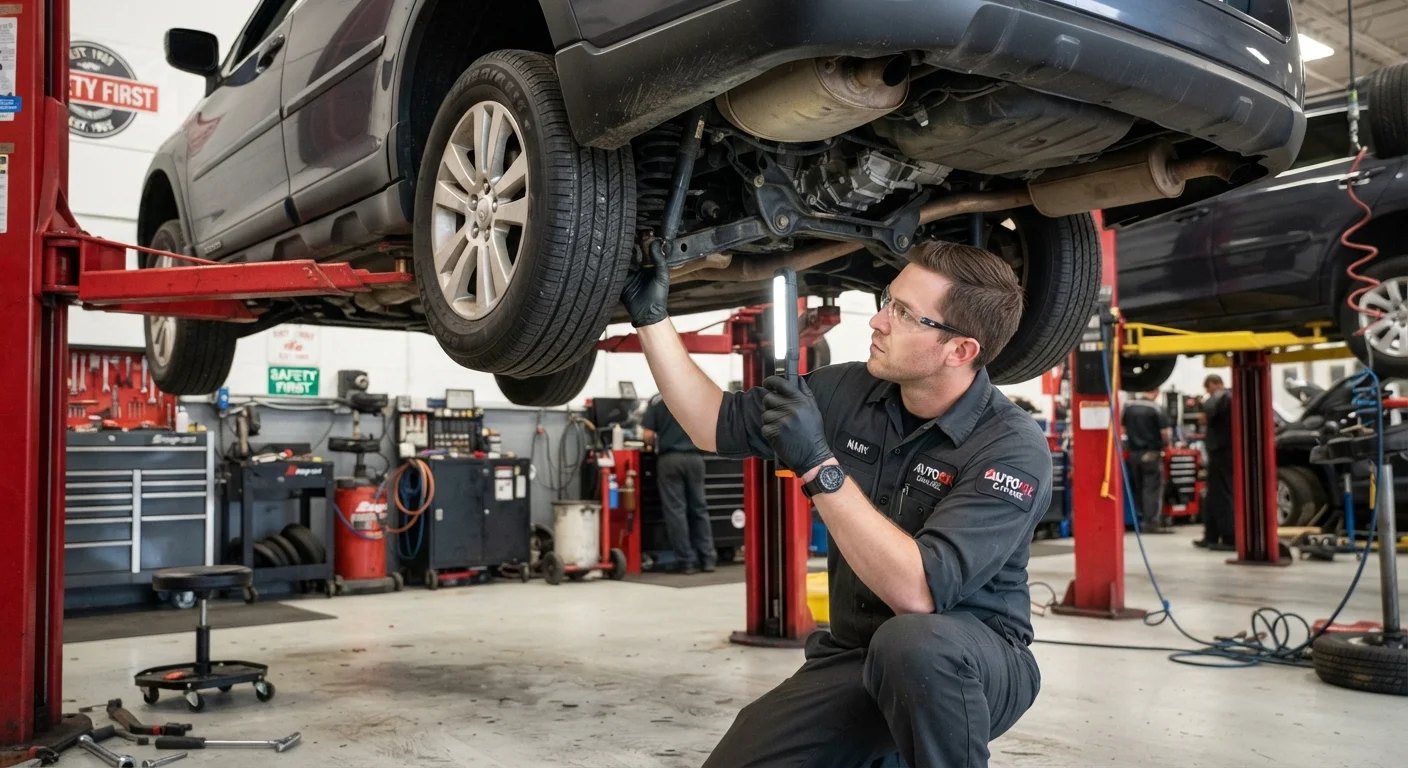
A vehicle safety inspection is a systematic evaluation of the systems and components that keep a car controllable and crashworthy. Most U.S. states require periodic safety inspections - some annually, others every two years - though a handful have no mandatory program at all. Even where inspections aren't legally required, the process offers an independent, trained assessment of your vehicle's roadworthiness.
The practical value is straightforward: many mechanical problems develop gradually and don't trigger obvious warning signs until they've become dangerous. Worn brake pads, cracked steering boots, or a failing wheel bearing can each compromise your ability to control the vehicle. An inspection creates a documented snapshot of your car's condition at a point in time.
For drivers navigating major life events - buying a used vehicle, taking a long highway trip, or adding towing capacity - an inspection provides important peace of mind. The complete guide to vehicle ownership covers where inspections fit within the broader arc of owning a car from purchase to eventual sale.
~17,000
Annual U.S. traffic fatalities linked to vehicle defects
The NHTSA has consistently identified vehicle condition as a contributing factor in a meaningful share of crash fatalities each year.
35
U.S. states with mandatory periodic safety inspections
Requirements range from annual to biennial programs; the remaining states rely primarily on emissions testing or have no mandatory inspection program.
2/32"
Minimum legal tire tread depth in most U.S. states
Many safety engineers recommend replacing tires at 4/32" to maintain adequate wet-road stopping distance before the legal limit is reached.
Lighting and Electrical Systems
Lighting is one of the first items a technician checks because it's both quick to assess and directly tied to visibility - yours and other drivers'. A thorough check covers:
- Headlights: Both low and high beams, verified for function and aim. Misaligned headlights that blind oncoming traffic are a common failure point.
- Tail lights, brake lights, and reverse lights: Each must illuminate correctly. A burned-out brake light is invisible to the driver but creates real rear-end collision risk.
- Turn signals and hazard flashers: Front and rear, checked for proper flash rate - a rapid flash often signals a burned bulb.
- License plate light: Required by law in every state for nighttime plate visibility.
- Dashboard warning lights: A lit check-engine or ABS warning may indicate an underlying fault that triggers a deeper diagnostic.
Technicians will also check the horn, windshield wipers, and washer fluid delivery - minor items individually, but collectively part of the visibility and communication systems every driver relies on.
Do a Walk-Around Before Your Appointment
Take five minutes to check all exterior lights yourself before driving to an inspection - headlights, taillights, turn signals, and brake lights. Replacing a burned bulb yourself beforehand is inexpensive and prevents a simple failure from delaying your inspection certificate.
Brakes: The Core of Any Safety Check
Brake system evaluation is arguably the most consequential part of any safety inspection. Inspectors assess multiple layers of the braking system:
- Brake pad and shoe thickness: Pads worn below the minimum friction material thickness (commonly around 2-3mm, though this varies) are a fail condition in most jurisdictions.
- Rotor and drum condition: Rotors are measured for thickness and checked for deep scoring or heat cracks. A rotor that has worn below its minimum thickness measurement cannot safely dissipate heat.
- Brake lines and hoses: Inspectors look for corrosion, kinking, or soft spots that indicate internal hose deterioration - a hose that balloons under pressure reduces braking response.
- Parking brake function: The parking or emergency brake is tested to confirm it holds the vehicle on an incline.
- ABS warning light status: An illuminated ABS light suggests the anti-lock system is disabled, which matters most in emergency stops on slippery surfaces.
Drivers planning extended travel should treat a brake inspection as non-negotiable preparation. The pre-road-trip checklist addresses brakes alongside other systems worth verifying before highway miles accumulate.
An Illuminated ABS or SRS Warning Light Is Not Minor
A lit ABS warning means the anti-lock braking system is likely disabled, removing a key emergency-stop aid. A lit SRS light means your airbags may not deploy in a collision. Neither should be dismissed as a cosmetic dashboard issue - both warrant diagnostic attention from a qualified technician before the vehicle is relied upon for regular driving.
Steering, Suspension, and Tires
These three systems work together to keep the vehicle tracking straight and absorbing road forces without transmitting them into loss of control.
Steering
Inspectors check for excessive play in the steering wheel - most states allow no more than a defined number of degrees of free movement before the wheels respond. Tie rod ends, ball joints, and steering gear components are inspected for looseness or damaged boots that have allowed lubricant to escape and contaminants to enter.
Suspension
Shock absorbers and struts are assessed for leaking fluid, which signals they are no longer damping road inputs effectively. Springs are checked for cracks or significant sagging. A vehicle with failed shocks takes longer to stabilize after a bump and can lose traction during hard braking.
Tires
Tread depth is measured - the legal minimum in most states is 2/32 of an inch, though many safety organizations recommend replacement at 4/32 for wet-road performance. Inspectors also look for sidewall bulges, irregular wear patterns (which indicate alignment or inflation issues), and visible cords or belt separation.
Ask the technician to show you any worn components before they're replaced - seeing the actual brake pad thickness or tire sidewall crack helps you understand the severity and make a more informed decision about timing.
Visual confirmation removes ambiguity and builds trust in the repair recommendation, which matters when juggling multiple advisory items on a limited budget.
Bring your vehicle in for inspection when it's cold and hasn't been driven - brake noise, steering pull, and suspension clunks are often easier to detect before heat from driving masks early symptoms.
Many intermittent mechanical issues become less pronounced once components have warmed up, which can lead to an incomplete assessment if the vehicle arrives already warmed.
For drivers who tow trailers, tire condition and load rating take on added importance. The guide to towing safely explains how towing stresses your tires and brakes differently than normal driving.
Structural Integrity and Safety Devices
Beyond moving components, inspectors evaluate the vehicle's passive safety systems and structural soundness.
- Windshield and glass: Cracks or chips in the driver's primary sightline are typically a fail. Minor chips outside the direct line of sight may or may not be flagged depending on state rules.
- Seat belts: Each belt is checked for fraying, proper retraction, and latch function. A belt that won't retract or lock during a tug test is a safety device failure.
- Airbag system warning light: An illuminated SRS (Supplemental Restraint System) light indicates the airbag system has a fault and may not deploy in a crash.
- Frame and undercarriage: Significant rust perforation or structural damage is assessed, particularly on older vehicles in northern states where road salt accelerates corrosion.
- Exhaust system: Leaks are checked because exhaust gases entering the passenger cabin create carbon monoxide exposure risk.
Parents traveling with young children should note that child seat installation is a separate consideration from the vehicle inspection itself - the child passenger safety guide covers the installation standards that keep children protected.
State Inspection Rules Vary Significantly
What constitutes a pass or fail differs by jurisdiction. Some states have unified safety and emissions inspections; others separate them. A few states accept vehicles that would fail inspections in neighboring states. Always verify the specific requirements of the state where your vehicle is registered rather than assuming a universal standard applies.
What Happens After the Inspection
When an inspection is complete, the technician produces a report itemizing each system checked and its status - typically passed, failed, or advisory (a condition worth monitoring but not yet a fail). In states with mandatory inspection programs, a failed item usually requires repair and reinspection before a sticker or certificate is issued.
Not every advisory item demands immediate action, but treating advisory notes as a maintenance priority is wise. A component flagged today as borderline can become a hard failure - or a roadside breakdown - within a few thousand miles.
If you're evaluating a vehicle before buying, a pre-purchase inspection by an independent mechanic follows a nearly identical checklist to a state safety inspection. The pre-purchase inspection guide explains what to expect from that process and why it differs from a dealer's own assessment. Similarly, the used car buying checklist pairs well with an independent inspection for thorough due diligence.
Modern vehicles increasingly rely on electronic safety aids - systems like automatic emergency braking and lane-departure warning - that a standard state inspection may not fully evaluate. The overview of vehicle safety technology covers what these systems do and what research says about their real-world effectiveness.
This article is for general informational purposes only. Safety inspection requirements, pass/fail criteria, and maintenance intervals vary by state and vehicle. Consult a qualified, licensed mechanic for advice specific to your vehicle's condition.