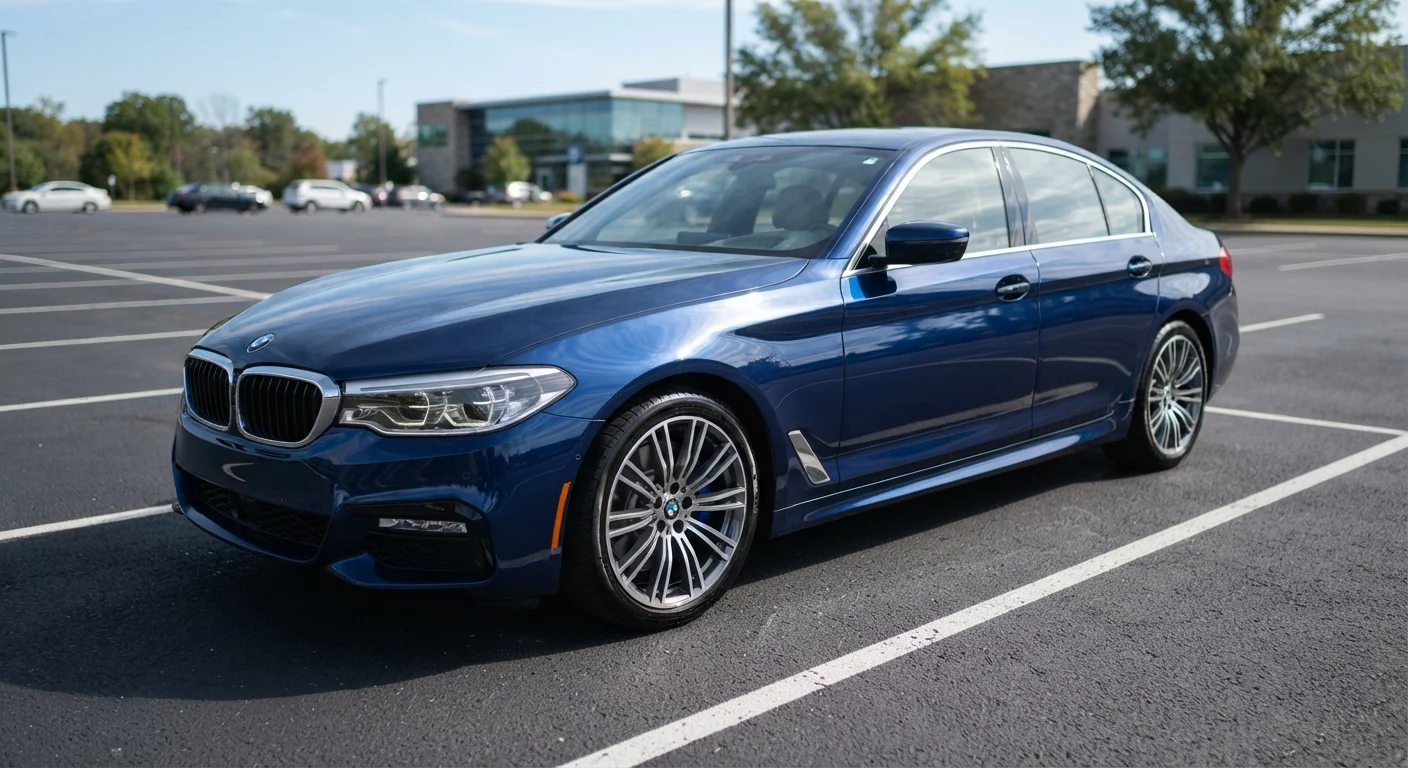
Why Preparation Matters - But Has Limits
When it comes time to sell or trade in a vehicle, it's tempting to overinvest in improvements hoping to recoup a premium. In practice, the relationship between preparation effort and return isn't always linear. Some actions have an outsized effect on perceived value and buyer confidence; others deliver little measurable benefit relative to their cost.
The goal isn't to make your car look brand new - it's to remove the red flags that cause buyers to walk away or negotiate aggressively downward. Understanding which factors actually move the needle helps you allocate your time and money efficiently before listing or heading to a dealership.
For a broader look at which selling path suits your situation, see our guide to private sales vs. trade-ins.
Quick Wins Before You List
Some preparation steps require almost no time or money but have an immediate effect on how buyers perceive your vehicle. These are worth doing regardless of whether you're selling privately or trading in.
What the Numbers Say About Condition and Value
Resale value is shaped by multiple forces - mileage, model year, regional demand, and mechanical condition all play roles. The relationship between mileage and resale value isn't always straightforward, and the same is true for condition ratings.
~$1,500
Average value gap between 'clean' and 'fair' condition ratings
Condition rating differences can account for hundreds to over a thousand dollars in dealer appraisals, according to industry valuation guides.
3-5x
Return on basic detailing vs. cost
Automotive remarketing professionals generally estimate that professional detailing costing $150-$300 can support price positioning well above its cost in private-party sales.
Dealers and private buyers alike use condition as a negotiating lever. A vehicle presented in clean, documented condition gives the seller more ground to stand on when the price conversation begins. If you're selling a higher-mileage vehicle, setting realistic expectations upfront prevents deals from falling apart at the finish line.
“Buyers are making an emotional decision validated by logic. If the car looks uncared for, they'll find reasons to justify walking away - or to justify paying less.”
— Consumer automotive research consensus, Summarized from vehicle remarketing industry literature
Where Not to Overspend
A common mistake is over-improving a vehicle before sale. Major mechanical repairs on an older vehicle may not return their cost in added sale price, particularly if the car is being sold as-is or traded in. Cosmetic upgrades - new floor mats, premium detailing packages, aftermarket accessories - rarely recoup their full value.
When to Skip the Repair
If a repair cost approaches or exceeds the expected gain in sale price, it may be more practical to disclose the issue and price accordingly. A $1,200 transmission service on a vehicle worth $6,000 retail may not produce a dollar-for-dollar return in a trade-in scenario. Get a repair estimate before committing, and compare it against realistic market comps for your vehicle in both repaired and as-is condition.
Dealers appraise vehicles based on their own reconditioning costs and market comparables. Understanding how dealers calculate trade-in value can help you avoid over-preparing for a trade scenario where your extra investment won't be factored into the offer. Similarly, appraisal values can vary significantly between dealers for reasons unrelated to your preparation efforts.
If you've maintained your car well throughout ownership, that record - rather than last-minute upgrades - is your strongest asset. Responsible car ownership practices over the life of the vehicle pay dividends when it's time to sell.
This article provides general educational information about vehicle preparation and resale. It does not constitute financial or legal advice. Vehicle values depend on many individual and market factors; consult relevant professional resources and multiple appraisers when making decisions about your specific vehicle.