Why High Mileage Doesn't Have to Mean a Dead End
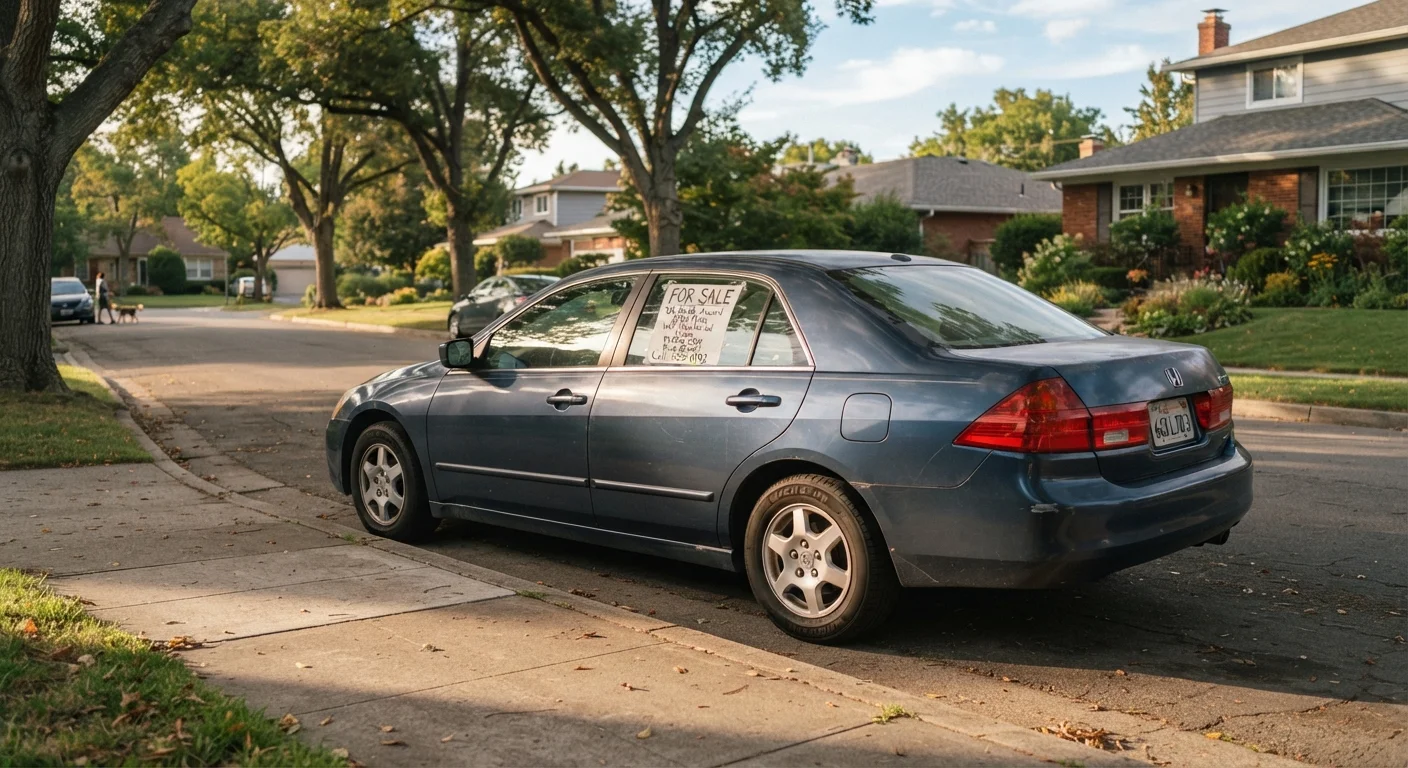
Selling a car with six figures on the odometer comes with real challenges - but it doesn't have to mean giving the car away or watching it sit unsold for months. High-mileage vehicles move every day, across every channel, to buyers who understand what they're purchasing. The difference between a successful sale and a frustrating one usually comes down to how well a seller sets expectations - their own, and the buyer's.
The mileage on the odometer is one data point. Condition, maintenance history, reliability reputation, and honest pricing are the others. Understanding how mileage affects resale value helps you separate perception from actual market impact before you set your price.
What Counts as High Mileage?
The average American driver covers roughly 12,000-15,000 miles per year. A vehicle with more than 100,000 miles is broadly considered high-mileage, though many buyers draw their own thresholds at 75,000 or 150,000 depending on make and model. Modern drivetrains, especially from reliable nameplates, can perform well into 200,000+ miles with proper upkeep. Context and condition often matter more than the odometer reading alone.
The Practices That Make High-Mileage Sales Work
Selling an older, well-used vehicle requires a different mindset than selling a low-mileage car. The buyer pool is more price-sensitive, more skeptical, and often more knowledgeable. These practices address the specific friction points that derail high-mileage sales - and give you the tools to navigate them confidently.
Price from the market down, not from your purchase price up
Emotional attachment to what you originally paid has no bearing on what a high-mileage car is worth today. Buyers shop comparables - they'll find similar vehicles with similar mileage in minutes. Overpricing repels serious buyers and extends time on market, often forcing deeper cuts later.
Gather and organize every service record you have
Documentation is the single most powerful trust signal a high-mileage seller can offer. Records prove the car was maintained, reduce a buyer's risk perception, and support your asking price. Gaps in service history raise red flags that kill deals or invite aggressive lowball offers.
Get a pre-sale inspection from an independent mechanic
Knowing exactly what is and isn't working before a buyer asks gives you control of the conversation. It also helps you price honestly and avoid deals falling apart during a buyer's inspection - a common and costly outcome with high-mileage sales.
Disclose known issues plainly and proactively
Concealing defects exposes you to legal liability in many states and almost always backfires when a buyer inspects the car. Transparent disclosure filters out buyers who can't accept the car's condition and attracts those who can - making for cleaner, faster transactions.
Match your sales channel to the car's condition and your time horizon
Private sales typically yield the highest return but require more time and effort. Dealer trade-ins are convenient but offer wholesale pricing. Auction platforms and instant-cash buyers occupy the middle ground. The right channel depends on how quickly you need to sell and how much preparation you're willing to invest.
Focus cosmetic prep on cleanliness, not costly restoration
A thorough clean - interior and exterior - costs little but signals that the car was cared for. Expensive repaints or reupholstering on a high-mileage vehicle rarely return their investment. Buyers expect wear; they don't expect neglect.
Once your car is priced and prepped, how you write the listing matters just as much as the car itself. Writing a private car listing that attracts serious buyers walks through exactly what to include - and how to say it - to filter for qualified buyers from the start.
Start Moving Today: Quick Actions With Real Impact
You don't need to complete every step before taking action. A few targeted moves can sharpen your position immediately - reducing guesswork, building credibility, and shortening your time on market.
Keep in mind that the condition factors affecting your car's appeal overlap with what makes cars hard to resell in general - understanding the buyer's perspective helps you anticipate objections before they're raised. For ongoing ownership context, the car ownership hub covers the maintenance practices that protect a vehicle's long-term value.
This article is for general informational purposes only and does not constitute financial, legal, or professional automotive advice. Vehicle values vary by region, condition, and market conditions. Consult a licensed appraiser or automotive professional for guidance specific to your situation.