What These Title Designations Actually Mean
When an insurer pays out a total-loss claim on a vehicle - meaning the estimated repair cost exceeds a threshold percentage of the car's pre-damage value, commonly 75-80% depending on the state - it issues a salvage title. That brand is then recorded with the state DMV and becomes a permanent part of the vehicle's history.
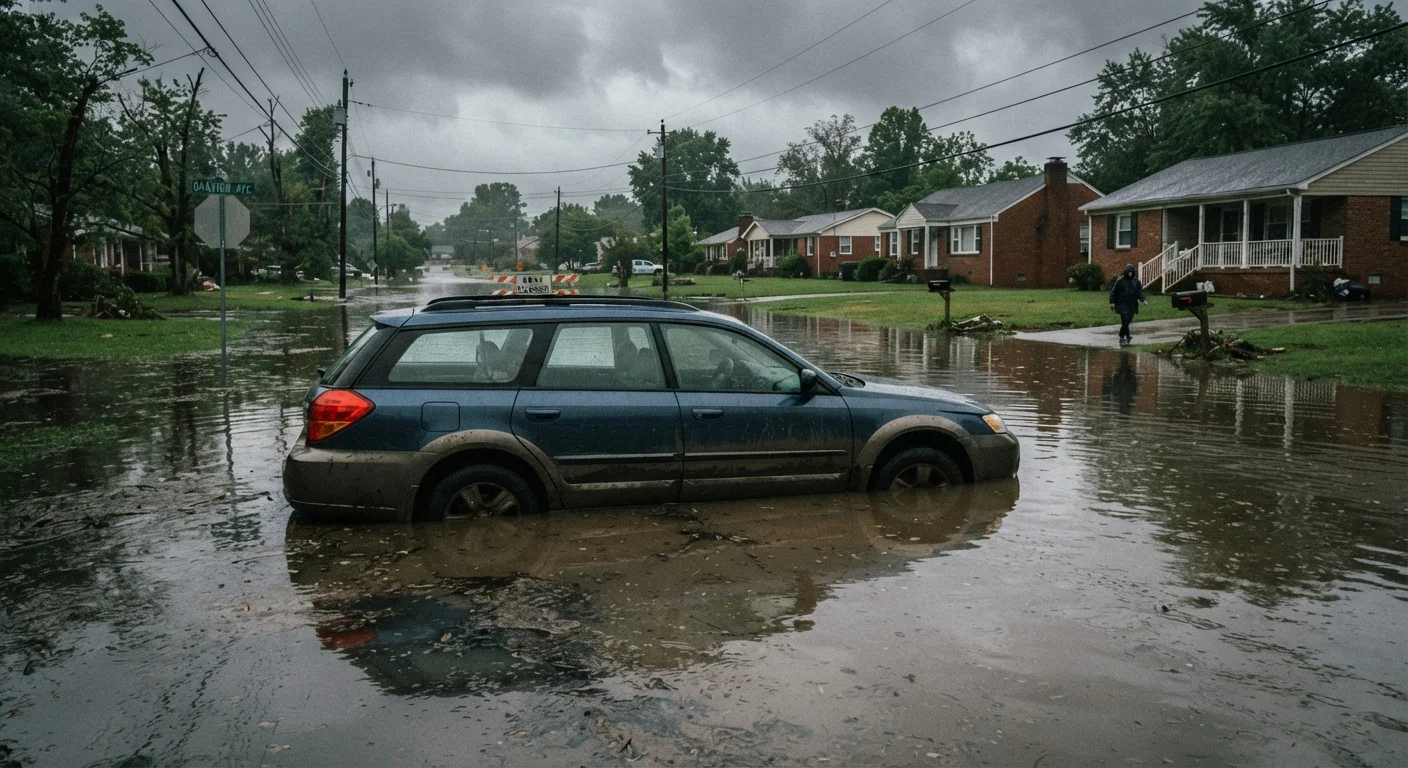
A flood title is a subset of salvage branding. It indicates the vehicle was damaged specifically by water - whether from a hurricane, flash flood, or another water event. Not every state uses a separate flood brand; some fold it under the general salvage designation. This inconsistency is one reason buyers need to go beyond the title document itself.
If a salvage vehicle is subsequently repaired and passes a state inspection, it may receive a rebuilt or reconstructed title, allowing it to be registered and driven legally. The salvage history, however, remains disclosed. For a deeper look at how these two statuses differ in practice, see our guide on rebuilt vs. salvage titles.
State Rules Vary Significantly
There is no single national standard for when or how states brand a title as salvage or flood-damaged. Some states have lower total-loss thresholds, some use different terminology, and some do not issue a separate flood brand at all. Always verify the specific branding and inspection rules with your state's DMV before purchasing or registering a damaged-title vehicle.
Why Flood Damage Is Especially Problematic
Water intrusion is uniquely destructive because it affects systems that aren't immediately visible. Modern vehicles contain dozens of electronic control modules - managing everything from engine timing to airbag deployment - and water can corrode circuit boards and connectors in ways that cause failures weeks or months after the initial event.
Common long-term consequences of flood damage include:
- Electrical gremlins: Intermittent failures in sensors, infotainment systems, and safety electronics
- Mold and mildew: Hidden beneath carpets and inside HVAC ducts, creating health and odor problems
- Rust and corrosion: Accelerated deterioration of brake lines, suspension components, and structural metal
- Contaminated fluids: Water in transmission fluid, engine oil, or brake fluid can cause rapid mechanical failure
These issues rarely show up in a simple visual inspection, which is why independent mechanical evaluation is not optional - it's essential.
20-40%
Typical resale value reduction for rebuilt-title vehicles
Industry estimates consistently show rebuilt and salvage-title vehicles sell for significantly less than comparable clean-title cars, reflecting ongoing buyer risk perception.
~75-80%
Repair-cost threshold that triggers a total-loss declaration
Most U.S. states define a total loss when repair costs reach roughly 75-80% of the vehicle's actual cash value, though the exact threshold varies by state law.
How to Research a Damaged-Title Vehicle
Before committing to any purchase, run the vehicle identification number (VIN) through at least two sources: the National Motor Vehicle Title Information System (NMVTIS), a federally mandated database that aggregates title records across states, and a commercial vehicle history service. Neither report is infallible on its own, but together they paint a more complete picture.
Watch specifically for:
- Title brands across multiple states, which can indicate attempted title washing
- Total-loss records from insurance companies
- Odometer discrepancies
- Gaps in ownership history that don't make sense geographically or chronologically
After reviewing the reports, hire an independent mechanic - one with no financial connection to the seller - to perform a pre-purchase inspection. Ask them specifically to look for water-line marks, corrosion in the engine bay and under carpets, rust on brake and fuel lines, and evidence of airbag replacement.
If you're new to evaluating used vehicles in general, our first-timer's roadmap to buying used covers the full process from listing evaluation through closing a deal.
Ask for Full Repair Documentation
When evaluating a rebuilt-title vehicle, request written records of all repairs - including parts receipts, labor invoices, and any inspection certificates. A seller with nothing to hide will typically have this documentation. If records are incomplete or unavailable, treat that as a significant red flag and factor it into your decision.
The Real Costs of Ownership to Consider
The discounted sticker price is only one part of the financial equation. Buyers pursuing salvage or flood vehicles should realistically account for:
- Repair and restoration costs: Even vehicles that look drivable may need significant work to reach reliable condition
- Insurance premiums and limitations: Full comprehensive and collision coverage may be unavailable or expensive
- Financing difficulty: Many lenders will not finance rebuilt or salvage-title vehicles, meaning buyers often need cash or alternative financing
- Resale challenges: The stigma of a damaged title suppresses future resale value and limits the buyer pool
For consumers focused on managing overall vehicle costs as part of a broader budget, the car ownership hub offers practical guidance on the ongoing expenses of vehicle ownership.
Flood and salvage vehicles are also frequently sold through auction channels, where buyer protections are minimal. Understanding those trade-offs is important - compare the auction and dealer channels before deciding where to shop.
Making a Clear-Eyed Decision
Salvage and flood-title vehicles are not automatically bad purchases - but they require a fundamentally different level of due diligence than clean-title cars. The buyers who fare best are typically those with mechanical knowledge, access to trusted independent inspection, the ability to pay cash, and a clear-eyed understanding that they are accepting higher uncertainty in exchange for a lower price.
If you're comparing purchase channels - private seller versus dealer - it's worth knowing that damaged-title vehicles appear in both, each with different disclosure norms and protections. Weighing those trade-offs before you begin shopping can help you structure your search more safely.
Ultimately, the question isn't whether a salvage or flood car can be a reasonable purchase - sometimes it can. The question is whether you have the information, resources, and risk tolerance to own one responsibly.
This article is for general informational purposes only. Title laws, inspection requirements, and insurance availability vary by state. Consult your state DMV and a licensed insurance professional for guidance specific to your situation.