Setting Your Budget Before You Browse
The single biggest mistake first-time used car buyers make is falling for a vehicle before knowing what they can actually afford. Your budget isn't just the sticker price - it includes sales tax, registration and title fees, insurance costs, and any immediate repairs the car might need.
A reasonable approach: decide the maximum you can spend out of pocket or the monthly payment you can comfortably carry, then work backward to a target vehicle price. If you're financing, get pre-approved through your bank or credit union before shopping. That gives you a clear ceiling and protects you from letting a dealer's financing terms drive the conversation.
Factor in ongoing costs, too. Older vehicles can carry higher maintenance expenses, and some makes are significantly more expensive to insure than others. Your total cost of ownership matters far more than the purchase price alone. For context on how the used path compares financially, see our overview of new car vs. certified pre-owned trade-offs.
Reading Listings Like a Pro
Online listings are your first source of intelligence - and they reward careful reading. Beyond price and mileage, pay close attention to these details:
- Trim level: Two cars with the same model name can be very different depending on trim. Verify which features are actually included.
- Number of owners: Fewer owners often means a simpler history, though this isn't always decisive.
- Accident disclosure: Some listings proactively mention prior accidents. Many don't. Always verify independently.
- Photo quality: Vague or limited photos, especially of the interior and undercarriage, can be a signal to proceed cautiously.
Run the VIN Before You Visit
Pull a vehicle history report using the car's VIN before you commit to an in-person visit. If the report shows major accidents, a salvage title, or odometer discrepancies, you can save yourself the trip. Treat it as your first filter, not an afterthought.
Once a listing passes your initial read, use the VIN to pull a vehicle history report. This should happen before you arrange a visit, not after. For a full look at how to evaluate online purchases when you can't see the car in person first, our guide to buying a car online walks through the process step by step.
VIN
Vehicle Identification Number - a unique 17-character code assigned to every vehicle that allows you to pull its history, including accident records, title status, and past ownership.
Pre-Purchase Inspection (PPI)
An independent mechanical evaluation of a used vehicle performed by a licensed mechanic before you buy, designed to identify hidden problems the seller may not disclose.
Title
The legal document that proves ownership of a vehicle. A clean title means no liens or legal complications; a salvage title means the car was previously declared a total loss by an insurer.
Trim Level
A manufacturer-defined package that indicates which features and options a specific vehicle was built with. Higher trims typically include more technology, safety, or comfort features.
Certified Pre-Owned (CPO)
A used vehicle that has passed a manufacturer or dealer inspection and comes with a limited warranty. CPO programs vary significantly by brand, so it's worth reading the specific terms.
Bill of Sale
A written document recording the transfer of vehicle ownership between buyer and seller, including the agreed price, date, and both parties' information.
Inspecting the Vehicle in Person
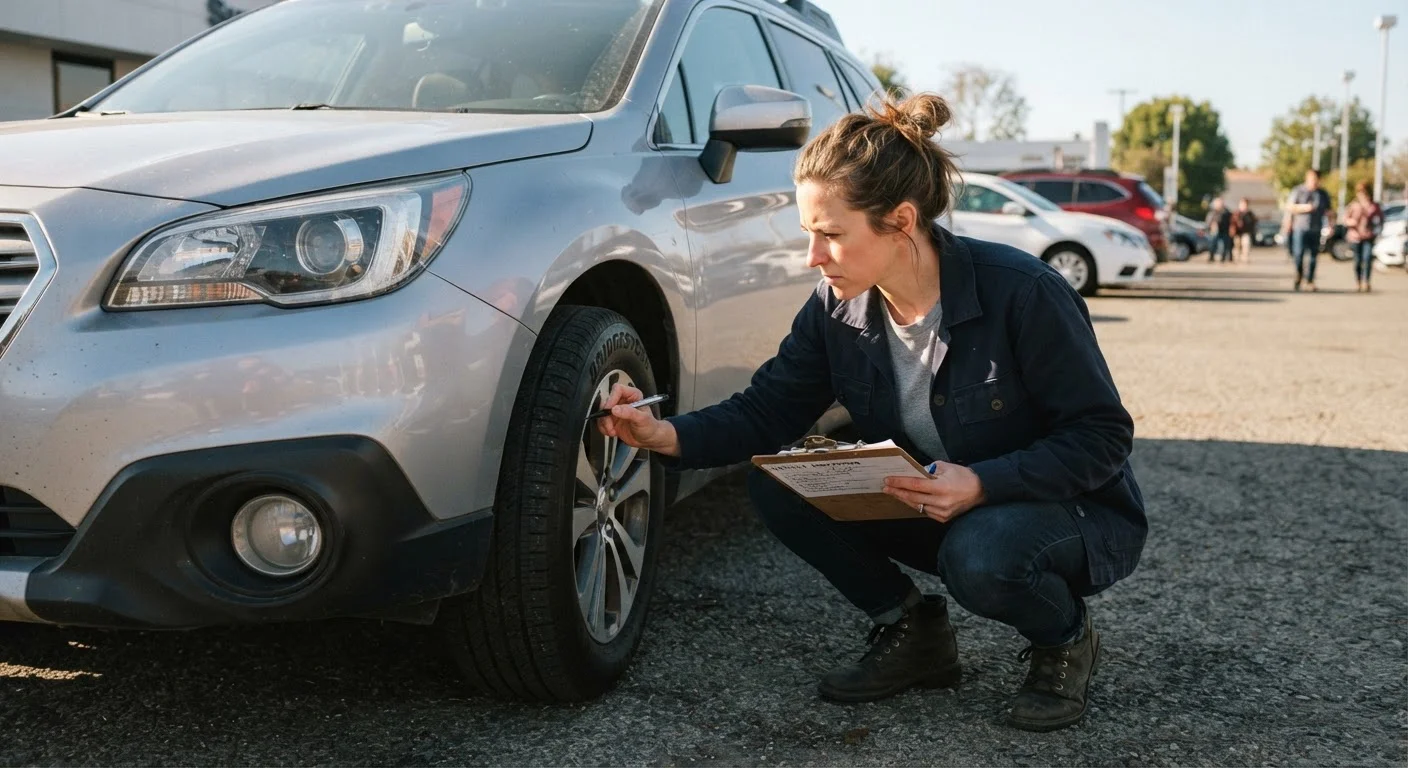
No amount of digital research replaces seeing the car in person - ideally in daylight. Walk around the entire exterior looking for mismatched paint panels, uneven gaps between body panels (a sign of prior bodywork), rust, or dents. Check all four tires for uneven wear, which can indicate alignment or suspension issues.
Inside, test every electrical component: windows, locks, air conditioning, infotainment, and lights. Look at the headliner, carpets, and seats for water damage or excessive wear. Start the engine cold if possible - that's when problems like rough idling or unusual sounds are easiest to detect.
Don't Skip the Independent Inspection
A seller's enthusiasm or a clean-looking exterior can be misleading. Structural damage, worn brakes, and transmission issues aren't visible at a glance. Never waive a pre-purchase inspection to speed up the deal - the cost of skipping it can far exceed the cost of the inspection itself.
After your own walk-around, arrange a pre-purchase inspection with an independent mechanic - not one the seller recommends. Many shops offer this service for a flat fee. The mechanic can put the car on a lift and assess brake condition, fluid leaks, suspension wear, and frame integrity. Bring the written findings to the negotiating table.
Choosing Where to Buy
Used cars are sold through two primary channels, each with meaningful differences. Dealerships - including franchise dealers and independent lots - typically offer more buyer protections: a cleaner title process, possible certified pre-owned warranties, and a regulated sales environment. The trade-off is often a higher price.
Private sellers generally list vehicles at lower prices, but there's no regulatory oversight, no warranty, and the title transfer is entirely your responsibility to manage correctly. The risk is real but manageable with due diligence.
Title Transfer Rules Vary by State
Each state has its own process and timeline for transferring a vehicle title into your name. Some states require a smog or safety inspection before registration. Check your state's DMV website before completing any purchase to avoid registration delays or penalties.
For a detailed side-by-side comparison of both paths, including paperwork differences and how pricing dynamics work in each setting, see our article on private seller vs. dealership differences. Understanding this decision upfront saves a lot of friction later.
Negotiating and Closing the Deal
Negotiation feels intimidating to first-timers, but it's a normal and expected part of the used car transaction. Your strongest tools are information and patience. Research comparable listings in your region to understand what similar vehicles are actually selling for - not just listed at. Use the inspection report as factual, unemotional leverage for any issues found.
Make your offer based on market data, not gut feeling. If a seller won't budge on price despite documented problems, be willing to walk away. There are always other cars. Common negotiation missteps - like leading with monthly payment rather than total price - can actually weaken your position. Our article on negotiation tactics buyers commonly misuse covers where first-timers most often go wrong.
When the price is agreed, review all paperwork carefully before signing. Confirm the title is clean, that the odometer statement matches what was advertised, and that any agreed-upon repairs are documented in writing. Once you take ownership, the next chapter begins - the car ownership hub is a useful starting point for maintenance planning and keeping your new-to-you vehicle in good shape.
This article is for general informational purposes only and does not constitute financial, legal, or professional automotive advice. Consult qualified professionals for guidance specific to your situation.