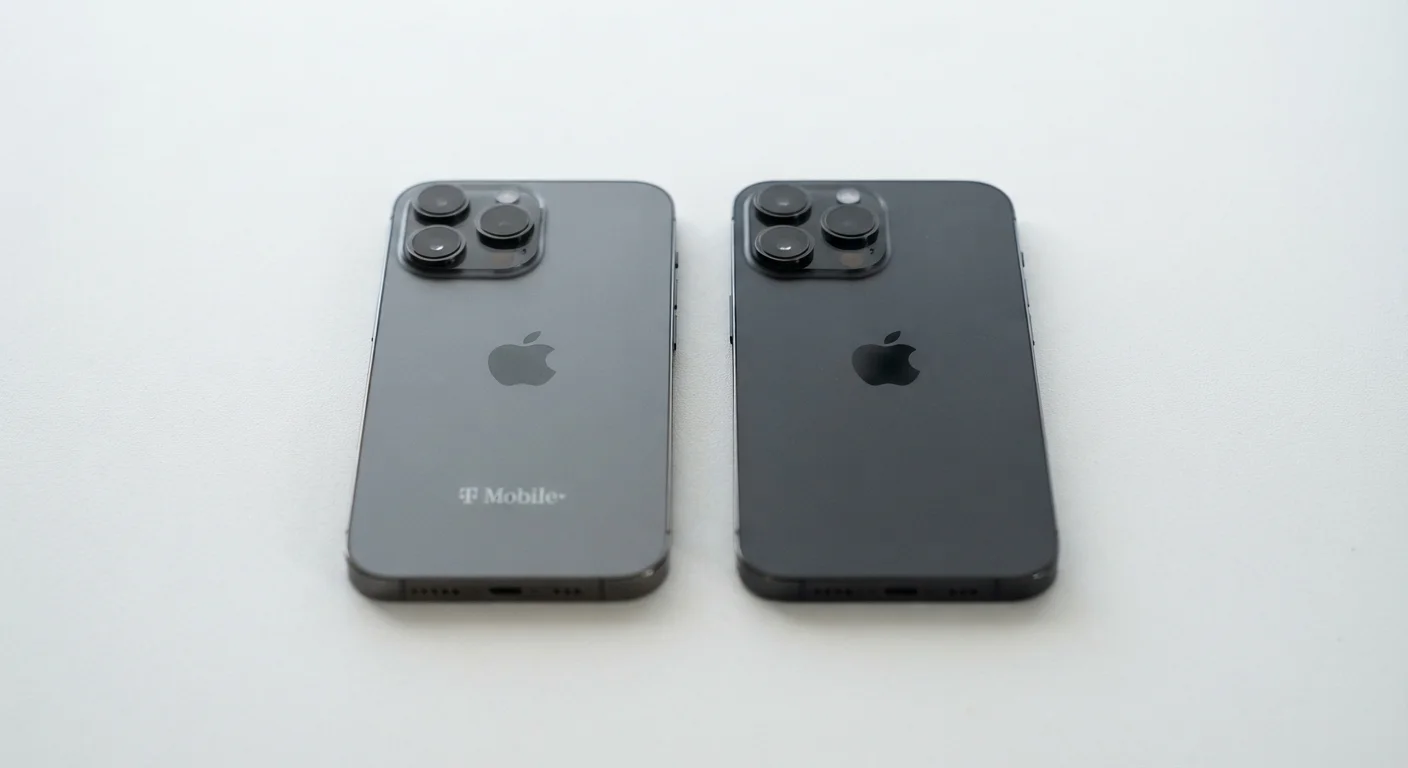
What Locking Actually Means
When a carrier sells you a phone - especially at a discounted price or through an installment plan - they typically install software restrictions that prevent the device from connecting to other carriers' networks. This is called a carrier lock. The phone's hardware is fully functional; the limitation is purely in software tied to the device's unique IMEI identifier.
An unlocked phone, by contrast, carries no such restriction. Insert a SIM card from any compatible carrier and the phone will connect to that network without issue. This distinction has significant practical implications for anyone considering switching carriers, traveling internationally, or buying a phone outright.
IMEI and the Lock Registry
Every phone has a unique IMEI (International Mobile Equipment Identity) number. Carrier locks are registered against this identifier, which is why a lock persists even if you perform a factory reset on the device. Resetting the phone wipes your personal data but does not remove the carrier lock - that change must go through the carrier.
Why Carriers Lock Phones
Carrier locking is primarily a financial safeguard. When a carrier offers a smartphone at a reduced upfront cost - or spreads the full retail price across a 24- or 36-month installment plan - they need assurance that you'll remain a customer long enough to recoup that subsidy. A locked phone discourages switching until the balance is settled.
Once a device is paid off and account requirements are met, most major U.S. carriers are required by their own policies - and encouraged by FCC guidelines - to unlock the device upon request. The Unlocking Consumer Choice and Wireless Competition Act, signed into law in 2014, affirmed consumers' right to unlock their phones legally.
2014
Year U.S. phone unlocking became federally protected
The Unlocking Consumer Choice and Wireless Competition Act was signed into law, affirming consumers' legal right to unlock their mobile devices.
3
Major U.S. carriers with mandatory unlock policies
All major U.S. national carriers maintain published unlock eligibility policies, typically requiring device payoff and minimum account tenure.
Unlocked Phones: Practical Benefits and Limitations
The most immediate benefit of an unlocked phone is flexibility. If you travel internationally, you can purchase a local prepaid SIM card and avoid steep roaming fees from your home carrier. For context on how your calls and data actually move across networks, see our article on how mobile data and Wi-Fi calling work.
For domestic use, an unlocked phone lets you switch carriers without buying new hardware - useful if a competitor offers a better rate or coverage in your area. However, one important caveat applies: unlocked does not automatically mean universally compatible. U.S. carriers operate on different frequency bands and network technologies (such as different 5G spectrum allocations). A phone optimized for one carrier's band configuration may deliver reduced performance or limited 5G access on another carrier's network, even if it accepts the SIM.
Check Band Compatibility Before Switching
Before committing to a new carrier with an unlocked phone, look up your device's model number and compare its supported frequency bands against the new carrier's network requirements. Both the carrier's website and your phone manufacturer's spec page will list this information. This step can prevent unexpected coverage or speed limitations.
How to Get Your Phone Unlocked
The process varies by carrier but generally follows the same steps. First, confirm your device is eligible - most carriers require the installment balance to be paid in full, the account to be active and in good standing, and a minimum period of service. Second, submit an unlock request through the carrier's website, customer service line, or app. The carrier either provides an unlock code you enter manually or submits the unlock request remotely to the device, which takes effect after a restart.
If you purchased a phone outright - directly from a manufacturer's website or a retailer selling factory-unlocked units - the device will typically arrive without any carrier lock. An eSIM-compatible device adds another dimension to this flexibility; eSIM technology removes the physical SIM card entirely, making carrier switching even more seamless on supported devices.
“Carrier unlocking gives consumers the freedom to take their device to the carrier that best meets their needs - whether that's driven by price, coverage, or both. It's a fundamental aspect of a competitive wireless market.”
— FCC Consumer Guide on Wireless Unlocking, Federal Communications Commission, Consumer & Governmental Affairs Bureau
What to Check Before Assuming Compatibility
Before inserting a new SIM or switching carriers, verify two things: that your phone is unlocked, and that it supports your new carrier's required frequency bands. Carrier websites typically publish lists of compatible devices, and phone manufacturers list supported bands in the device specifications. Midrange devices sometimes omit certain high-band 5G frequencies that flagship models include, which can affect speeds in specific markets.
Security features on your device - such as those covered in our guide to biometric authentication on smartphones - are entirely separate from carrier lock status and remain fully functional regardless of which carrier's SIM is installed. Carrier locking is a network access restriction, not a security feature.
This article is for general informational purposes only. Carrier policies, eligibility requirements, and regulatory rules are subject to change. Contact your carrier directly for the most current unlock requirements applicable to your device and account.