What Style Drift Actually Feels Like
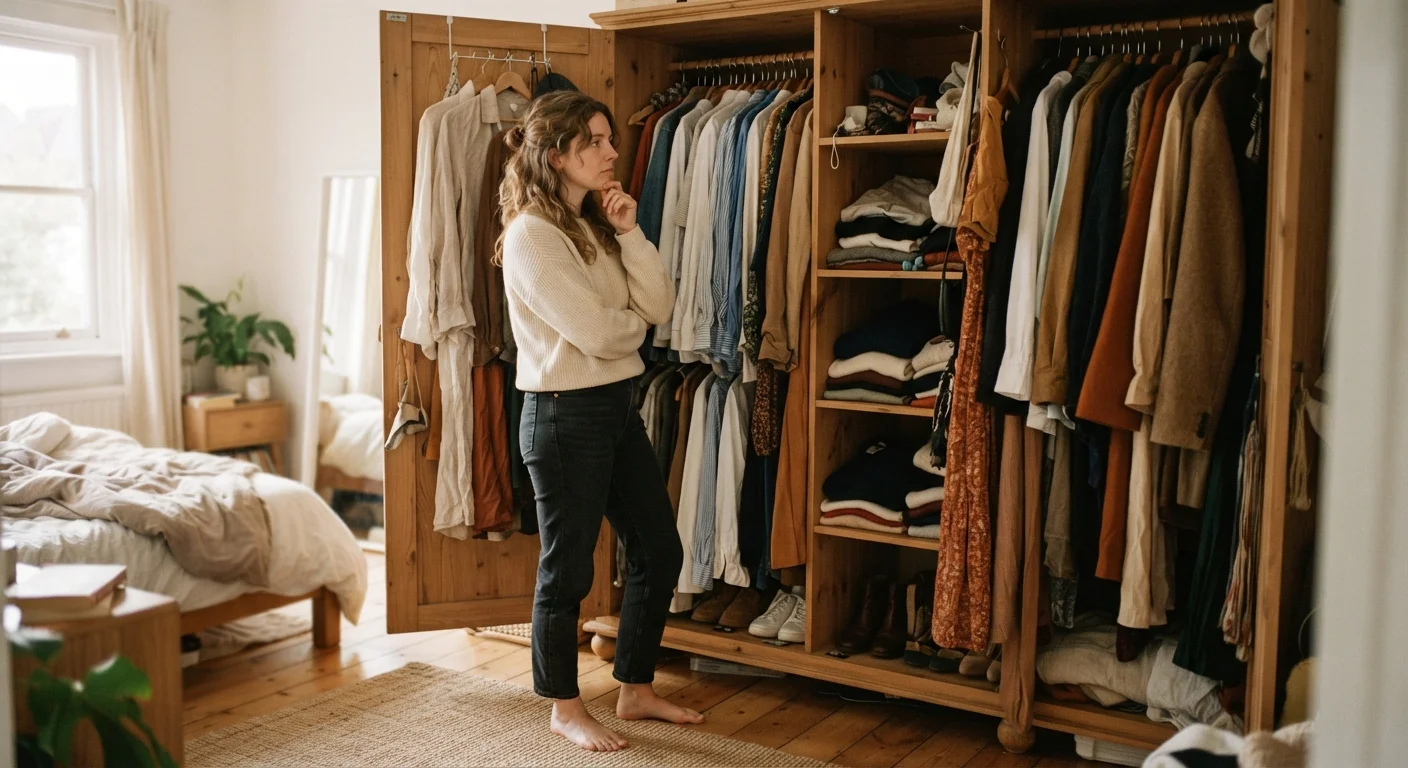
You open your wardrobe and nothing calls to you. You get dressed, but something feels slightly off - like you're wearing a costume designed for a previous version of yourself. That low-grade discomfort has a name: style drift.
It doesn't usually arrive all at once. It creeps in gradually, often after a significant life shift - a new job, a move to a different city, a relationship change, or simply the quiet accumulation of personal growth. One day you notice that the aesthetic you built feels like a stranger's.
This disconnect is more emotionally meaningful than it might seem. Research in psychology consistently links clothing choices to self-perception and mood. When what we wear no longer matches who we are, the friction is real - and worth taking seriously.
Style Drift Is Not the Same as Boredom
Feeling bored with your wardrobe often means you want novelty - new colours, silhouettes, or trends. Style drift is deeper: it's a fundamental sense that your clothes no longer represent your values, personality, or life circumstances. Boredom can usually be solved with a few fresh pieces; drift requires a more reflective process of realignment.
Why It Happens: The Identity-Aesthetic Gap
Style is not static because you are not static. The clothes that felt exactly right at 24 may feel performative at 34. That's not a flaw in your taste - it's evidence that your sense of self has deepened.
Several forces commonly trigger style drift:
- Life role changes: Shifting from a creative freelance environment to a structured corporate one (or vice versa) reshapes what "appropriate" and "authentic" look like day to day.
- Social circle shifts: Moving to a new city or entering a new community introduces new aesthetic norms that may quietly influence your sense of what feels right.
- Body or health changes: When your body changes, clothes that once fit well - physically and symbolically - can start to feel misaligned.
- Value evolution: Growing interest in sustainability, minimalism, or self-expression can make a maximalist or trend-chasing wardrobe feel suddenly hollow.
Understanding the source of your drift is the most useful first step. For a broader look at how aesthetics naturally shift across life stages, see how your aesthetic naturally evolves over the decades.
~60%
People who say clothes affect their confidence
Survey data from various consumer research studies consistently shows that the majority of adults feel their clothing choices directly influence their mood and self-confidence on a given day.
3-5 years
Typical cycle of significant style shift
Style researchers and psychologists note that major aesthetic identity shifts often align with significant life transitions, which tend to cluster every few years in adulthood.
How to Begin Realigning Your Style
Realignment doesn't require a shopping spree or a dramatic closet cleanout. It requires honesty and curiosity. Here's where to start:
Audit What You Actually Wear
Pull out the items you reach for week after week - not what you think you should wear, but what actually ends up on your body. This reveals your real style preferences far more accurately than your aspirational purchases. Our style audit guide walks you through exactly this process.
Ask Who You Are Now
Before adding anything new, spend time with the question: who am I today, and how do I want to move through the world? Your answers shape every purchasing decision that follows. If you're building from a blank slate, finding your style identity from scratch is a solid place to begin.
Look for Gaps, Not Trends
Style realignment is about filling the space between who you are and what you wear - not chasing what's currently popular. If your wardrobe doesn't include anything that feels effortless and energising, that gap is where your focus belongs.
Start With One Authentic Outfit
Rather than overhauling your entire wardrobe at once, try to assemble just one outfit that feels genuinely, completely you right now. It might require mixing pieces from different eras of your style, or adding a single new item. That one outfit becomes a reference point - a north star - for the direction your wardrobe is heading.
For a deeper look at why getting dressed sometimes feels impossible, explore why outfits never feel quite right - the issue may go beyond style drift alone.
Embracing Style as a Living Thing
Perhaps the most freeing shift you can make is to stop thinking of personal style as something you figure out once and then maintain. Style is a living expression of a living person. It's supposed to move.
When drift happens - and it will - treat it as useful feedback rather than failure. Your discomfort is pointing you toward growth. The goal isn't a fixed aesthetic frozen in time; it's a wardrobe that keeps pace with the person you're becoming.
For practical, day-to-day alignment, dressing for the life you actually live is a natural next step. And if you're curious how style works across varied contexts, building a style that travels well offers a compelling real-world lens.
“Clothes are never a frivolity: they always mean something. What we wear is how we present ourselves to the world, especially today, when human contacts are so quick - fashion is instant language.”
— Miuccia Prada, Fashion designer and creative director