What Does 'Very Small Wardrobe' Actually Mean?
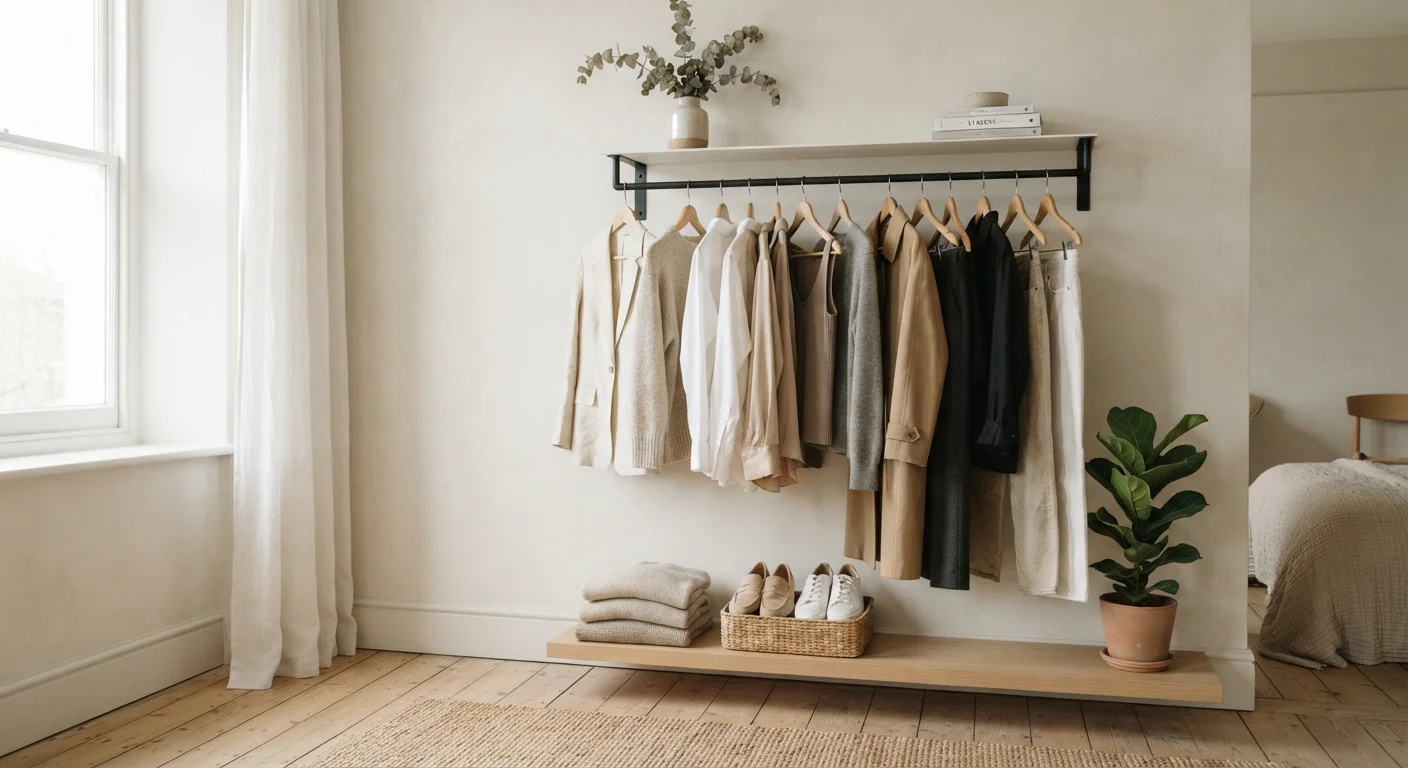
A very small wardrobe typically refers to owning somewhere in the range of 20 to 40 total clothing items - sometimes fewer. It goes a step further than the popular capsule wardrobe concept, prioritizing ruthless curation over modest restraint. If you've ever heard of people who own just enough clothing to fill a single carry-on, this is that territory.
The appeal is real: less visual noise, faster mornings, and a closet that doesn't feel like a chore to navigate. But the tradeoffs are equally real, and they depend almost entirely on your lifestyle. Before committing, it's worth understanding both sides honestly. See how this approach compares in the broader context in our capsule wardrobe explainer.
The Genuine Advantages
The benefits of owning very little clothing are more layered than they might first appear. It's not just about a tidy closet - the downstream effects touch your time, your finances, and even your sense of identity.
Dramatically reduces daily decision fatigue
When you own fewer items that all work together, getting dressed becomes a quick, low-stress task. Research in behavioral psychology consistently suggests that reducing trivial decisions preserves mental energy for more meaningful choices.
Encourages a clearer, more consistent personal style
Constraints force intentionality. Owning only pieces you genuinely love and reach for regularly tends to produce a more coherent aesthetic identity over time.
Can reduce overall clothing expenditure long-term
Buying less frequently - even at higher per-item cost - often adds up to less total spending than regularly refreshing a large wardrobe with cheaper pieces that wear out faster.
Easier to keep organized and maintained
Fewer items mean less laundering backlog, simpler storage, and a clearer view of what needs care or replacement. The closet stays functional without ongoing effort.
Lighter environmental footprint
The fashion industry is a significant global resource consumer. Buying and discarding less clothing is one of the more concrete ways individuals can reduce their contribution to textile waste.
One underrated bonus: a small wardrobe makes it much easier to spot what's actually missing. When you're not drowning in options, gaps become obvious and fixable. Our guide on common wardrobe gaps can help you identify which pieces are doing real work versus filling space.
The Real Limitations
Owning very few clothes isn't a universal solution - and the people for whom it fails hardest are often those who didn't account for lifestyle complexity before downsizing. Here's where the friction tends to show up.
Limited flexibility for varied social contexts
Life regularly calls for different dress codes - a job interview, a wedding, a weekend hike, a casual brunch. A very small wardrobe can struggle to cover this range without noticeable repetition.
Higher upfront cost per item
To own fewer pieces that last, you typically need to spend more per item on quality. This front-loaded investment can be a genuine barrier, particularly when building from scratch.
Seasonal changes require active management
Rotating a very small wardrobe across seasons - from summer heat to winter cold - is a real logistical challenge that may require off-season storage or a slightly larger total count than purists suggest.
Less room for creative or experimental dressing
For people who use clothing as a form of self-expression and enjoy variety, a tiny wardrobe can feel creatively stifling rather than freeing. Style exploration is harder with fewer tools.
Wear and tear becomes more visible faster
When any single item gets worn two or three times a week instead of once, it shows age more quickly. Maintenance and timely replacement become more important - and more costly.
A Small Wardrobe Isn't One-Size-Fits-All
What counts as 'very small' varies by person. Someone with a single professional context and a warm climate may need far fewer pieces than someone navigating cold winters and multiple dress codes. The number matters less than whether every item you own is genuinely useful to your actual life. Avoid setting arbitrary targets - let your real wardrobe needs guide how far to pare back.
If you're drawn to the idea but not ready to commit fully, comparing capsule and full wardrobes is a useful middle ground to explore before making any big decisions.
Making It Work in the Real World
If you do decide a very small wardrobe suits your life, the execution matters enormously. A few items done poorly will frustrate you far more than a larger closet would. Prioritize fabric quality and fit above all - pieces that feel good and fit well get worn repeatedly without complaint.
~20%
Clothing most people regularly wear
A commonly cited figure in consumer behavior research suggests most people wear roughly 20% of their wardrobe 80% of the time, indicating the rest sits largely unused.
92M tons
Textile waste generated globally per year
According to the United Nations Environment Programme, the global fashion industry produces approximately 92 million tons of textile waste annually.
Color cohesion is another practical tool: when everything you own works together, the number of viable outfits multiplies without adding more items. This is where a mostly monochrome approach can pair naturally with a small wardrobe philosophy.
Storage and visibility also matter more when you have fewer pieces. A disorganized small wardrobe still causes decision fatigue. See our small closet organization guide for practical approaches that make every item easy to see and reach. And if your interest in a smaller wardrobe is partly financial, the Saving & Debt hub offers broader context on managing everyday spending thoughtfully.