Why Style Icons Are So Appealing - and Where the Trap Lies
There's nothing wrong with admiring how someone dresses. Style icons - whether they're cultural figures, vintage archetypes, or people you follow online - give us a visual language to work with. They show us what's possible. The trap isn't admiring them; it's assuming that because a look works on them, it'll work the same way on you.
The problem with wholesale replication is that it skips the most important step: self-knowledge. Every iconic personal style is the result of someone figuring out what fits their life, body, and personality - usually over years. When you shortcut that process by copying the output, you inherit their answers to questions you may not have even asked yourself yet.
The good news? You can absolutely use style icons as a reference. You just have to approach them like a researcher, not a copycat. Understanding the difference between inspiration and imitation is the first step toward developing something genuinely your own.
Best Practices for Learning From Style Icons Without Losing Yourself
The following practices will help you extract what's genuinely useful from the icons you admire - and translate those lessons into a style that actually belongs to you.
Identify the specific principle behind what you admire, not just the surface look
When you notice you love how someone dresses, the instinct is to catalog what they're wearing. The more useful exercise is to ask what underlying principle makes it work - is it the contrast of proportions? The commitment to a neutral palette? The way they mix textures? That principle is transferable. The exact outfit usually isn't.
Audit your own lifestyle before borrowing from an icon's wardrobe
A style that looks effortless on someone else may be built around a lifestyle very different from yours. Incorporating pieces or aesthetics that don't fit how you actually move through the day leads to a wardrobe full of things you don't reach for. Honest self-assessment saves you from buying inspired by a fantasy version of your life.
Extract one element at a time rather than adopting an entire aesthetic
Trying to replicate an icon's full look in one go tends to produce something that reads as costume rather than personal style. Introducing one principle, silhouette, or color palette at a time gives you the chance to see how it integrates with what you already own and wear - and whether it genuinely suits you.
Let icons expand your vocabulary without overwriting it
Style icons are useful for introducing you to possibilities you hadn't considered - a silhouette, a color combination, a way of layering. The goal is to add to your existing vocabulary, not replace it. If you find yourself abandoning things that genuinely worked for you in pursuit of someone else's look, that's a signal to recalibrate.
Use multiple icons to avoid over-indexing on one aesthetic
Drawing from a single source of inspiration can make your style feel derivative. When you reference several different icons - whose styles may even contrast with each other - you're forced to synthesize, and synthesis is where personal style actually happens. It also naturally filters out anything that's specific to one person's context.
Quick Wins: Start Using Icons as a Reference Today
You don't need to overhaul your wardrobe to start putting these ideas into practice. A few targeted actions can immediately change how you use style reference material.
Save References With Intent
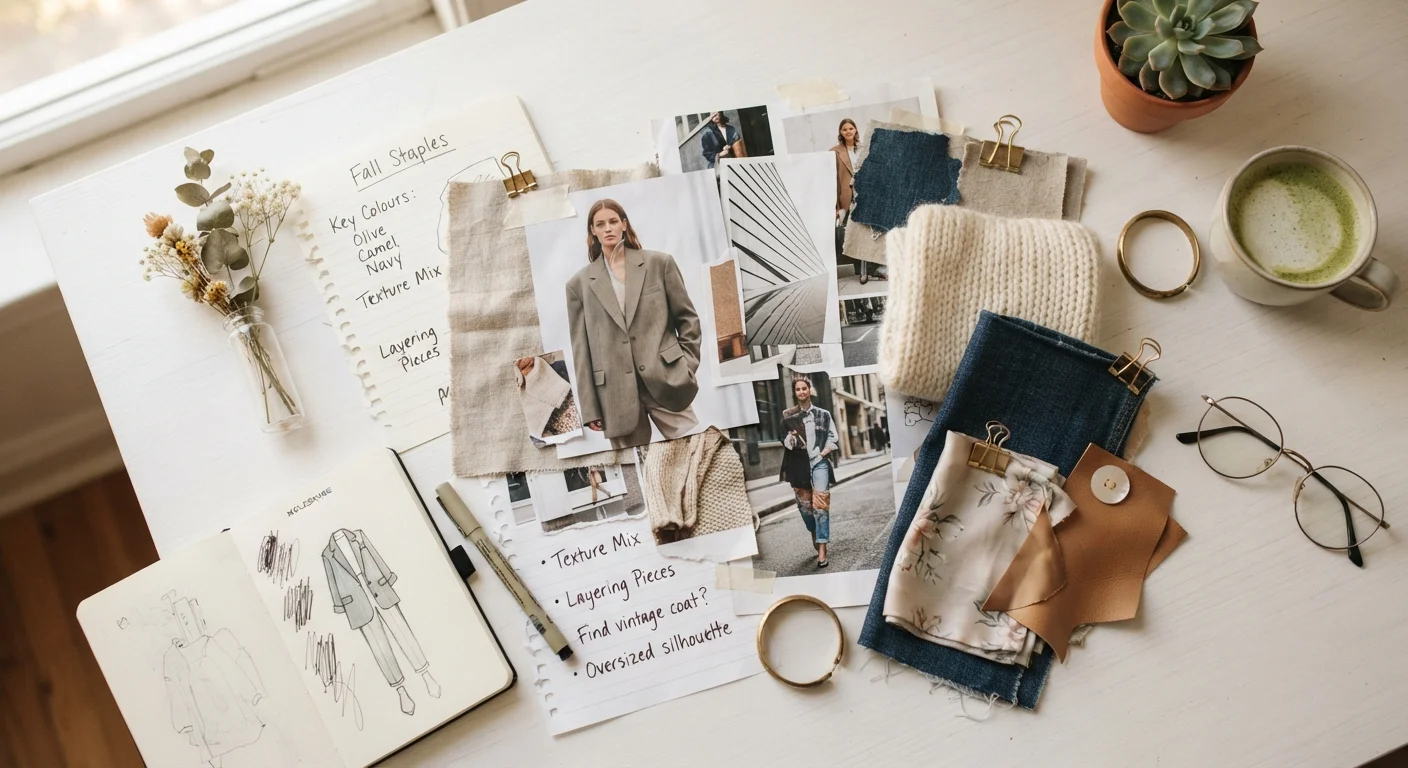
When you're saving style images for inspiration, add a brief note about what specifically drew you in - the proportions, the palette, the mood. Over time, these notes reveal your actual preferences far more clearly than a folder full of images. This habit also makes it easier to separate genuine style instincts from passing trends you'll lose interest in quickly.
Building a Style That's Yours
Style icons are valuable precisely because they've done the work of committing to an aesthetic. What you're learning from them is the value of that commitment - not the specific choices they made. When you start asking why you're drawn to something instead of just what you're drawn to, the answers point back to your own preferences every time.
If you're still working out what your aesthetic actually is, building a style mood board is one of the most effective ways to surface the visual patterns you're naturally drawn to. And if you're navigating this without a large budget, personal style on a realistic budget offers a grounded approach to developing a strong aesthetic without chasing expensive looks.
Ultimately, the goal isn't to become a version of someone else - it's to become a clearer, more intentional version of yourself. Style icons are a compass, not a destination. Exploring style archetypes can also help you find the vocabulary to describe what you're drawn to and why.