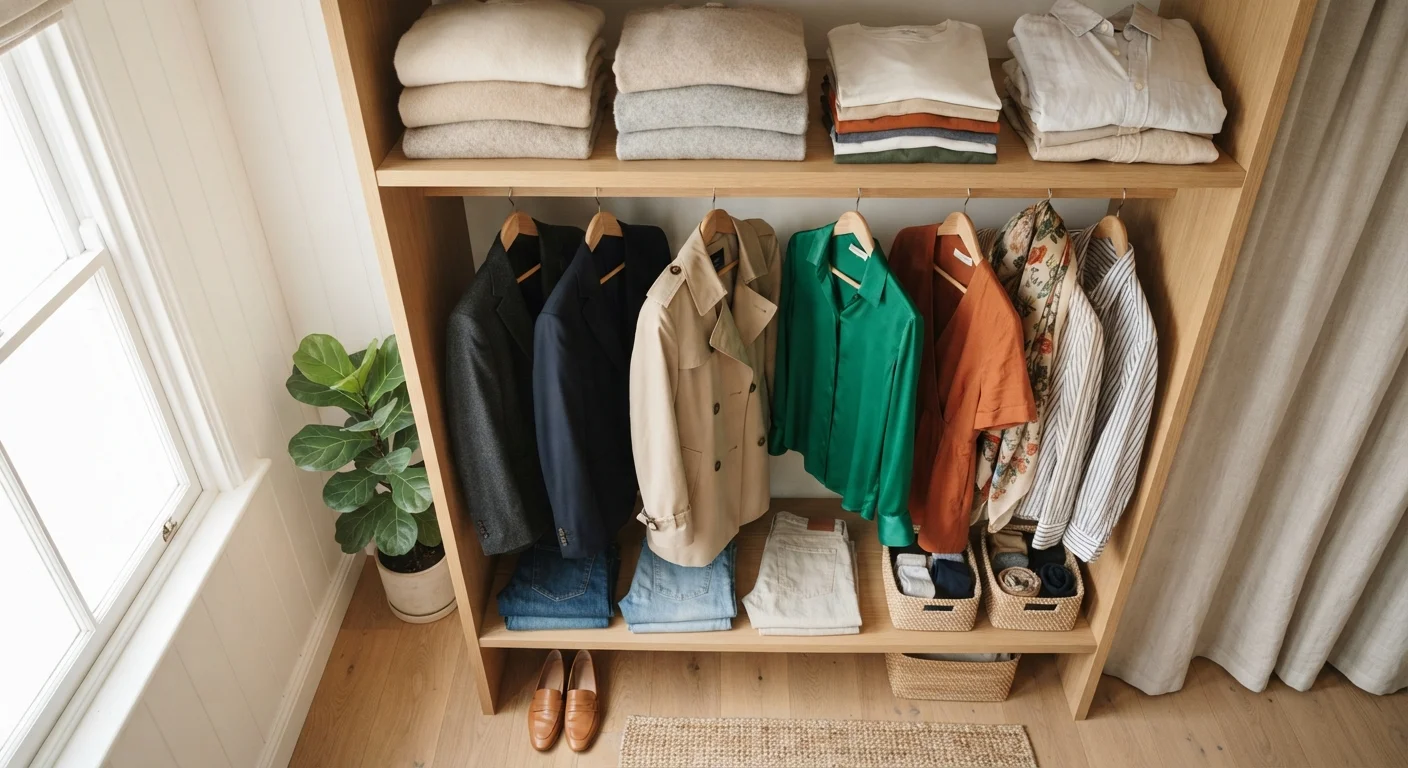
Why Most Work Wardrobes Feel Like a Chore
The typical office wardrobe falls into one of two traps: either it's a sea of identical black trousers and stiff button-downs that feel like a uniform, or it's a chaotic mix of pieces that don't actually work together on a Monday morning. Neither situation serves you well, and both are surprisingly easy to fix once you have a clear framework.
The good news is that dressing for work doesn't require a big budget, a personal stylist, or a complete closet overhaul. It requires intention. For a broader look at how your clothing choices can align with your whole life - not just the office - this guide on aligning style with your actual routine is worth a read before you start shopping.
What you will need
How to Build It: Step by Step
Follow these steps in order. Each one builds on the last, so resist the urge to skip ahead to the shopping part.
Audit What You Already Own
Before buying a single thing, pull everything out of your closet and assess it honestly. Ask three questions about each piece: Does it fit well right now? Is it in good condition? Could I wear it to work tomorrow without hesitation? Anything that fails all three questions goes into a donate or repair pile. What's left is your actual starting inventory.
Define Your Actual Dress Code
"Business casual" means something different in a law firm than it does in a creative agency. Rather than guessing, observe what your colleagues and leadership actually wear on a typical Tuesday - not on a client presentation day. That real-world baseline is your target. Once you know it, you can build toward it without over- or undershooting.
Build a Neutral Foundation First
Aim for five to seven foundational pieces in neutral tones - navy, grey, camel, black, or white - that can mix and match freely. Think well-fitting trousers, a structured blazer, a clean crewneck or blouse, and a versatile dress or skirt. These form the backbone of nearly every outfit you'll put together. Neutral colors earn their keep precisely because they require almost no coordination effort. See the core wardrobe essentials list for a practical reference.
Add Two or Three Personality Pieces
This is where boring wardrobes get their personality back. Choose two or three items that feel like you - a printed blouse, a rich-colored cardigan, an interesting texture like a subtle houndstooth or a linen-blend jacket. These pieces rotate through your neutral foundation and keep outfits from feeling identical day to day. The key is that each one should still work with at least three of your foundation pieces, or it's just taking up space.
Prioritize Fit and Fabric Over Everything Else
A well-fitted mid-range piece will always look more polished than an ill-fitting expensive one. When evaluating fit, check that shoulders sit correctly, that nothing pulls across the chest or hips, and that trouser hems are the right length. On fabric: natural fibers like cotton, wool, and linen breathe better and tend to look more put-together longer. Stretch-blend fabrics - think ponte knit or stretch wool - offer comfort without sacrificing structure, which makes them especially practical for long workdays.
Create a Simple Outfit Formula
Decision fatigue is real, and it hits hardest at 7 a.m. Give yourself a repeatable formula: one bottom + one top + one layer (blazer, cardigan, or structured jacket) + shoes. That's it. Rotate the pieces within that formula using your neutrals and personality items, and you'll have enough combinations to last a full month without repeating. Lay out outfits the night before to make mornings genuinely effortless.
Shop Your Closet Before the Store
Most people already own more useful pieces than they realize - they're just buried under items that don't work. A thorough audit almost always surfaces at least two or three pieces that can re-enter your regular rotation with a little styling creativity. Try restyling existing pieces in new combinations before adding anything new to the mix.
Keeping It Going Without the Daily Struggle
A great work wardrobe isn't a one-time project - it's a system you maintain. Once you've built the foundation, the real win is making sure it stays functional over time. Hang or fold pieces immediately after washing so wrinkles don't set in. Do a quick seasonal check-in to retire anything that's worn out or no longer fits your current role.
The habits that make getting dressed easier over time are worth adopting early - things like keeping your most-reached-for pieces at eye level and planning outfits the night before. And if your office runs casual on Fridays, making one wardrobe do double duty can stretch your investment even further. A work wardrobe that's comfortable, expressive, and actually usable isn't a luxury - it's just the result of a little planning done well.
Don't Build It All at Once
Trying to overhaul your entire work wardrobe in one shopping trip is a recipe for impulse buys and buyer's remorse. A more effective approach is adding one or two pieces per month, filling genuine gaps rather than chasing variety. A slower build produces a more cohesive, actually-useful result.