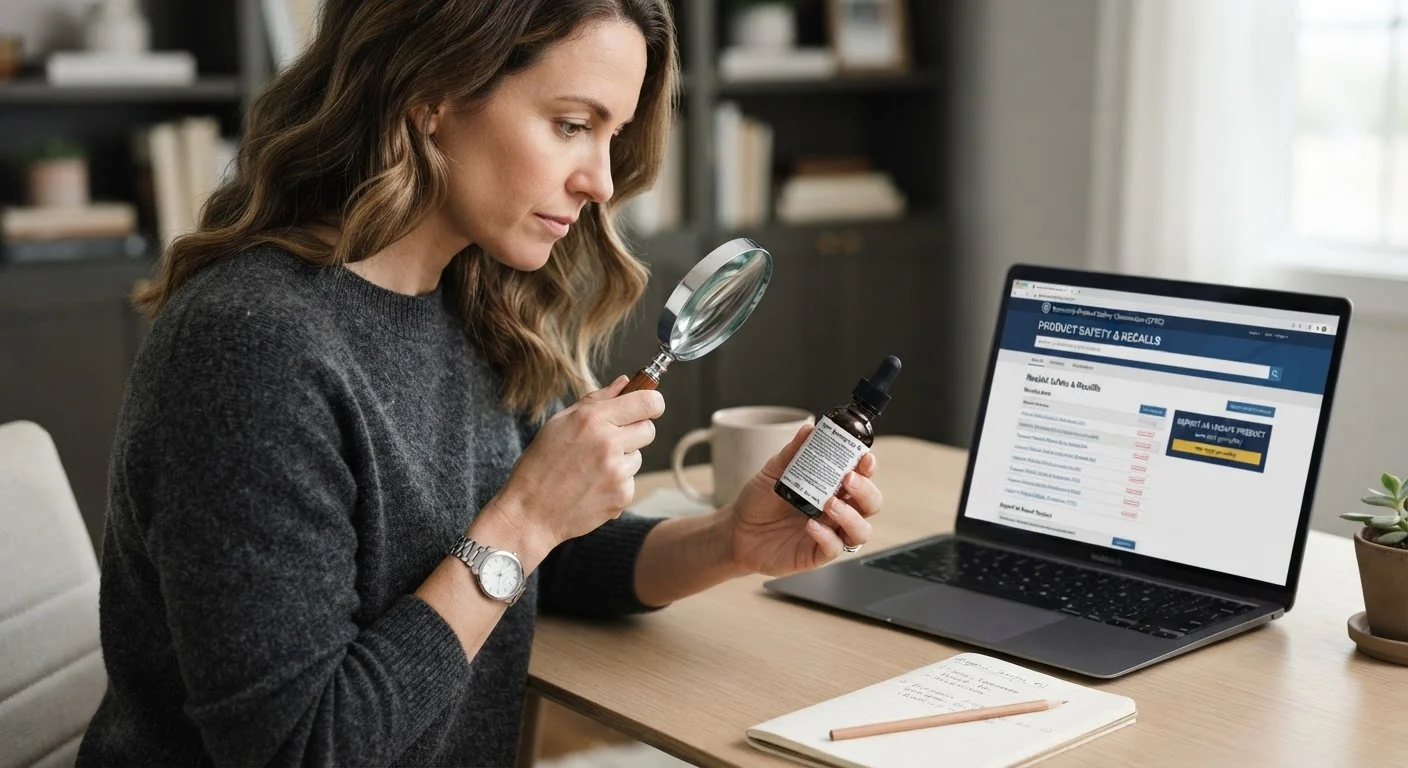
Why Recall Checks Matter Long After Purchase
A product can sit in your home for months or years before a safety issue is identified and a recall is announced. Manufacturing defects, component failures, and newly discovered hazards don't always surface immediately - meaning the item you bought and trusted may later be flagged as dangerous. Yet many consumers never learn about recalls that apply to products they own because they didn't register the item, moved since purchase, or simply weren't paying attention when the announcement was made.
The U.S. Consumer Product Safety Commission (CPSC) estimates that only a fraction of recalled consumer products are ever returned or remedied by the people who own them. That gap is largely an information problem. Understanding where to look - and making it a routine habit - is a straightforward way to protect your household.
It's also worth knowing that product recalls are distinct from product defects that affect only your unit. If you suspect a product failed due to a manufacturing flaw that doesn't appear in any recall listing, state-level defective product laws may offer a separate avenue of recourse.
What you will need
What You'll Need Before You Start
recalls.gov
The official U.S. government portal aggregating recall notices across multiple federal agencies, searchable by keyword or product category.
CPSC Recall Database (cpsc.gov/recalls)
The Consumer Product Safety Commission's dedicated recall search for consumer goods such as appliances, furniture, toys, and electronics.
NHTSA Safety Issues & Recalls (nhtsa.gov/recalls)
National Highway Traffic Safety Administration portal for searching vehicle recalls by VIN, make, model, and year.
FDA MedWatch / Product Recalls (fda.gov)
Used for recalls involving food, medications, medical devices, and cosmetics regulated by the FDA.
Product registration card or manufacturer account
Allows the manufacturer to notify you directly in the event of a future recall on a product you own.
Register Products at Purchase
Most manufacturers include a product registration card or offer online registration. Completing this step means the company can contact you directly if a recall is issued - often before public announcements reach you. Keep a simple list of model numbers and purchase dates for major appliances, electronics, and children's products to make future searches faster.
Step-by-Step: How to Check for and Respond to a Recall
Locate your product's identifying information
Before searching any database, gather the details that identify your specific item. Look for:
- Model number and serial number - usually on a label on the back, bottom, or inside a battery compartment
- Brand name and product name as printed on the packaging or label
- Manufacture date or lot code - particularly relevant for food, supplements, and children's items
Photograph these labels with your phone so the information is easy to reference and share if needed.
Search the appropriate federal recall database
Go to recalls.gov and enter your product name or model number in the search bar. This portal draws from multiple federal agencies simultaneously. Depending on the product type, you may also want to search the agency-specific database directly:
- Consumer goods (appliances, toys, furniture, electronics): cpsc.gov/recalls
- Vehicles and car seats: nhtsa.gov/recalls - search by VIN for vehicles
- Food, drugs, medical devices, cosmetics: fda.gov recalls section
Review any matching results carefully. Recalls are listed with the affected date ranges, model numbers, and a description of the hazard.
Confirm whether your specific unit is affected
Not every unit of a product is always included in a recall. Read the recall notice details to confirm:
- Your model number falls within the affected range
- Your serial number or manufacture date is within the scope stated
- The product description matches what you own
Many recall notices include a direct phone number or website where you can enter your serial number to verify inclusion. Use this tool if it is available - it provides the most definitive answer.
Understand your remedy options
Federal recall law requires manufacturers and sometimes retailers to provide a remedy at no cost to the consumer. The three standard remedies are:
- Repair - a free fix is provided, often by mail or a service center
- Replacement - a new or equivalent product is sent to you
- Refund - a full or partial reimbursement, which may be prorated based on product age
The recall notice will specify which remedies are available. For more detail on how remedies are typically determined, see our guide to refund, replacement, and repair options.
Contact the manufacturer to claim your remedy
Each recall notice includes contact instructions - typically a toll-free number, a dedicated web form, or both. When you reach out:
- Have your model number, serial number, and proof of purchase ready
- Ask for a confirmation number or written record of your claim
- Clarify the timeline: how long until a repair kit ships, or when a replacement arrives
If the manufacturer is unresponsive or disputes your eligibility, you can file a complaint directly with the CPSC at saferproducts.gov. If your situation involves broader consumer-protection questions, reviewing your rights under state defective product laws may be worthwhile.
Set up ongoing recall alerts
A one-time search only covers products you already know about. To stay informed automatically:
- Subscribe to CPSC email alerts at cpsc.gov - you can filter by product category
- Sign up for NHTSA recall alerts if you own a vehicle
- Register your products with manufacturers so they can contact you directly
This ongoing awareness step is especially important for households with young children, elderly family members, or anyone who relies on medical or mobility devices.
Stop Using Recalled Products Right Away
If you confirm a product you own is under an active safety recall, discontinue use immediately - even if no incident has occurred in your household. Recalls are issued because a documented risk exists, and continued use can result in injury, fire, or other serious harm. Do not attempt to repair a recalled product yourself unless the official recall notice specifically instructs self-repair.
Third-Party Recall Sites May Be Incomplete
Several unofficial websites aggregate recall information, but they may lag behind official announcements or omit details about remedy options. Always verify recall status directly through government sources such as recalls.gov, NHTSA.gov, or FDA.gov. Relying solely on social media posts or retailer notifications can leave gaps in your awareness.
After the Recall: Staying Protected
Once you've resolved an active recall, a few habits will keep you ahead of future issues. Maintaining a simple home inventory of major appliances, electronics, and children's products - with model numbers noted - makes future searches take minutes rather than a frustrating hunt. Many household management apps support this kind of record-keeping.
If you purchased a product that turned out to be a counterfeit, the recall process may not apply in the same way. Our coverage of remedies for counterfeit goods explains the different path those situations typically require.
For vehicles specifically, the recall process works somewhat differently - the National Highway Traffic Safety Administration (NHTSA) oversees auto recalls, and dealers are generally required to perform the remedy at no charge. See our overview of vehicle recall rights and the repair process for details specific to cars, trucks, and their components.
This article provides general consumer information only and is not legal advice. Recall eligibility and remedy terms vary by product and manufacturer. Contact the relevant federal agency or a qualified consumer-rights attorney if you have a dispute about a specific recall claim.