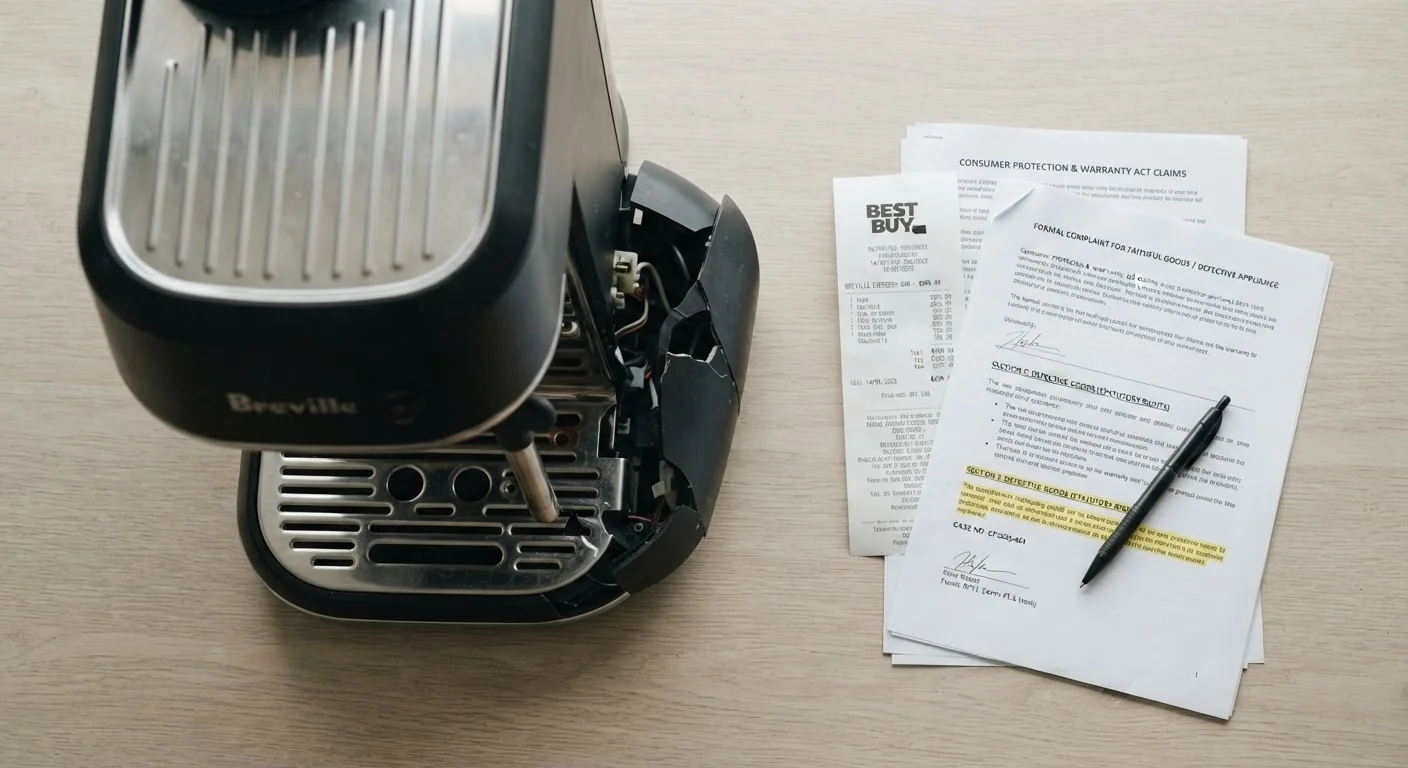
What Lemon Laws Actually Cover
The term "lemon law" gets applied loosely, but in most states these are specific statutes tied to new motor vehicles - cars, trucks, motorcycles, and sometimes RVs. The core idea: if a vehicle has a defect that substantially impairs its use, safety, or resale value, and the manufacturer or dealer cannot fix it after a reasonable number of attempts, the consumer is entitled to a meaningful remedy.
Beyond vehicles, a handful of states - including California, Massachusetts, and New York - have enacted broader consumer goods lemon laws. These may cover products like home appliances, computers, or power tools, though the thresholds and procedures differ from auto provisions. If you're unsure whether your state covers a particular product, your state attorney general's consumer protection office is the most reliable starting point.
It's also worth noting that even when a product doesn't fall under a specific lemon law, it may still be covered by the federal Magnuson-Moss Warranty Act, which governs how written warranties must work for consumer products costing more than $15. State consumer protection laws can add further protections on top of this federal baseline.
Lemon Laws and Used Products
Standard lemon laws in most states do not cover used or secondhand products. A small number of states have enacted used-car lemon laws, but these typically carry shorter timeframes and lower mileage caps than new-vehicle protections. If you purchased a certified pre-owned vehicle, check whether your state includes CPO vehicles in its lemon law coverage.
How the Qualifying Threshold Works
Not every defective product qualifies as a lemon under the law. States use specific thresholds to determine when a product has crossed the line from "needs repairs" to "legally defective." The two most common triggers are:
- Repair attempt count: Typically three to four failed attempts to fix the same defect within a defined period (often the warranty period or the first 12-24 months of ownership).
- Days out of service: A cumulative total - often 30 days - during which the product is unavailable for use due to repair attempts, even across multiple different defects.
For safety-related defects, some states lower the bar to just one or two repair attempts. This reflects the heightened risk posed when a failure could cause injury. If you suspect a safety issue, also check whether the problem is the subject of a federal safety recall. Learn how to search official recall databases for your product.
Keep Every Repair Order from Day One
Ask for a written repair order each time you bring in a product for service - even for the first visit. Note the date, the defect described, and the repair outcome. If you eventually need to file a lemon law claim, these documents form the factual backbone of your case. Gaps in the paper trail are one of the most common reasons valid claims stall.
The Role of Documentation and Arbitration
A lemon law claim lives or dies on documentation. Every repair visit should generate a written repair order from the dealer or authorized service center - keep every copy. These records establish the defect's history, the number of attempts, and the cumulative out-of-service days. Thorough documentation dramatically strengthens your claim if you need to escalate.
Many states require consumers to participate in a manufacturer-sponsored arbitration program before they can file a lawsuit. While this process can resolve disputes faster than litigation, it's important to understand that arbitration decisions may be binding in some states but only advisory in others. Review your product's warranty documentation to identify whether an arbitration program applies and what its rules are.
50
States with automotive lemon laws
All 50 U.S. states have enacted some form of new vehicle lemon law, though the specific thresholds, covered vehicles, and procedures differ by state.
~30 days
Typical out-of-service trigger
Many state lemon laws specify that a vehicle unavailable for use for a cumulative 30 days during the coverage period may qualify as a lemon, regardless of defect type.
$15+
Federal warranty law threshold
The federal Magnuson-Moss Warranty Act applies to written warranties on consumer products costing more than $15, providing a baseline floor of protection nationwide.
When Lemon Laws Don't Apply - and What Else Might
Lemon laws have real limits. They typically exclude defects caused by consumer misuse, unauthorized modifications, or accidents. Products purchased used (outside of specific used-vehicle statutes) often fall outside coverage entirely. Business-use vehicles and products purchased primarily for commercial purposes are also commonly excluded.
If lemon law doesn't apply to your situation, consider these alternative avenues:
- Implied warranty claims: Most states recognize an implied warranty of merchantability - meaning a product must work for its ordinary purpose. This can apply even without a written warranty.
- State consumer protection statutes: These broader laws prohibit deceptive or unfair trade practices and can support a complaint or legal claim independent of lemon law.
- Deceptive advertising grounds: If the product was materially misrepresented in its marketing, federal and state law may provide additional grounds for a complaint.
Understanding which legal framework fits your situation is the first step to an effective resolution. Consulting a consumer protection attorney - many offer free initial consultations - can help you evaluate your options without guesswork.
This article is for general informational and educational purposes only and does not constitute legal advice. Laws vary by state and product type. Consult a qualified attorney for guidance specific to your situation.