Why Counterfeits Are More Than Just a Bad Deal
Counterfeit goods aren't simply inferior products - they can pose genuine safety risks. Fake electronics may lack proper surge protection, counterfeit medications may contain harmful substitutes, and knockoff children's products often skip mandatory safety testing. Beyond personal harm, purchasing a counterfeit - even unknowingly - can expose you to legal uncertainty and financial loss.
Federal law under the Lanham Act and the Trademark Counterfeiting Act prohibits the manufacture and sale of counterfeit goods. As the buyer, you typically have no criminal liability when you didn't know the item was fake, but you do have a clear right to remedies. Understanding those remedies starts with recognizing the problem and acting quickly.
If you suspect a product was misrepresented to you in other ways beyond counterfeiting, see our article on deceptive advertising laws for additional context on your options.
What you will need
Step-by-Step: What to Do After Discovering a Fake
Acting quickly and methodically improves your chances of a full refund and ensures your report reaches the right agencies. Follow the steps below in order.
Document the Evidence
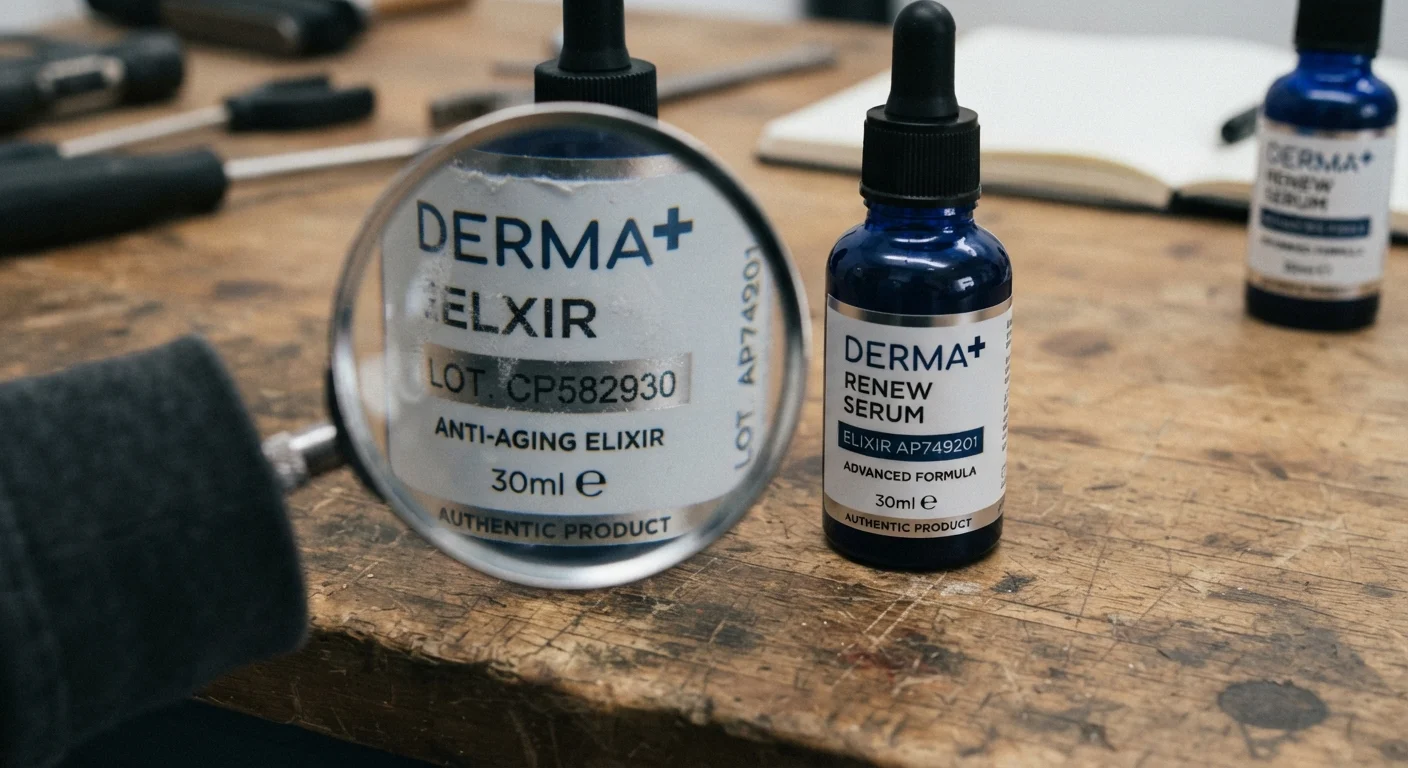
Photograph the product from multiple angles, capturing any logos, labels, serial numbers, and packaging. Take side-by-side photos comparing it with official product images from the brand's own website. Save your order confirmation, shipping details, and any seller communications. This documentation is essential for every subsequent step - a chargeback, a regulatory complaint, or a small claims filing all depend on it.
Contact the Seller Directly
Send the seller a written request - email or the platform's messaging system - stating clearly that you believe the product is counterfeit, citing specific discrepancies (wrong logo dimensions, missing certification marks, different materials). Request a full refund and prepaid return shipping. Keep the message factual and non-threatening. A written refusal, or no reply within a reasonable window (typically 48-72 hours), strengthens your case with the next parties you contact.
Escalate to the Marketplace or Payment Processor
If you bought through an online marketplace (such as a major e-commerce platform), open a formal dispute through its buyer-protection program. Most platforms have policies against counterfeit listings and can compel the seller to refund you or issue the refund themselves. Simultaneously - or if you bought directly from a third-party site - contact your credit card issuer or bank to initiate a chargeback. Under the Fair Credit Billing Act, credit card holders can dispute charges for goods that are "not as described," which counterfeit items clearly are. Debit card disputes follow similar rules under Regulation E, though timelines differ.
Report to Federal Agencies
File a complaint with the Federal Trade Commission (FTC) at ReportFraud.ftc.gov. Also report to U.S. Customs and Border Protection (CBP) via the e-Allegations portal if the item was imported, and to the National Intellectual Property Rights Coordination Center (IPR Center) at iprcenter.gov. These reports don't guarantee individual refunds, but they build enforcement records that lead to seller shutdowns and, in serious cases, criminal prosecution. If the product was purchased online and payment was made via wire transfer or gift card, also file with the FBI's Internet Crime Complaint Center (IC3).
Report to the Legitimate Brand
Locate the brand's official anti-counterfeiting or intellectual property page (usually under "Legal" or "Brand Protection" on their website). Submit your evidence there. Companies actively investigate these reports and often coordinate with law enforcement. In some cases, they directly assist consumers in recovering funds or publicly acknowledge dangerous counterfeits.
File a State Consumer Protection Complaint
Contact your state attorney general's consumer protection office if federal reporting and the seller dispute haven't produced a resolution. Most states have deceptive trade practices statutes that parallel or extend federal protections, and some allow consumers to recover additional damages. You can find your state office through the National Association of Attorneys General (NAAG) directory. Also consider filing with your state's Better Business Bureau if the seller operates locally - this creates a public record. For further guidance on formal complaint channels, see our overview of how false advertising complaints are handled.
Keep the Product Until Disputes Are Resolved
Resist the urge to discard a counterfeit item immediately. The physical product is evidence for chargebacks, regulatory complaints, and any potential court filing. Store it with its original packaging if possible. Only return it to the seller once you have written confirmation that a refund will be issued.
Escalating Your Case and Longer-Term Protections
If the seller refuses to cooperate and your payment dispute is unresolved, several additional paths are available. Your state attorney general's consumer protection division can investigate deceptive trade practices and may pursue the seller on your behalf. Small claims court is another practical option for recovering losses under your state's monetary threshold - typically between $5,000 and $10,000 - without needing an attorney.
The brand whose trademark was counterfeited also has a strong interest in stopping the seller. Most major companies publish an anti-counterfeiting contact or reporting page; providing them with your purchase details can trigger their own legal action against the seller and may assist your refund case.
For safety-critical counterfeits - particularly electronics, children's items, or health products - also check whether a related product safety recall has been issued. Our guide to product safety recalls explains how to search official databases. Once your immediate situation is resolved, review our article on refund, replacement, or repair options to understand which remedy you're realistically entitled to claim going forward.
Avoid Using Potentially Unsafe Counterfeits
If the counterfeit involves a product with safety implications - electronics, cosmetics, supplements, children's items - stop using it immediately while you pursue your remedies. Continuing to use a fake product could expose you to harm, and in some cases, prolonged use may complicate a safety-related claim. When in doubt about health-related products, consult a qualified healthcare professional.