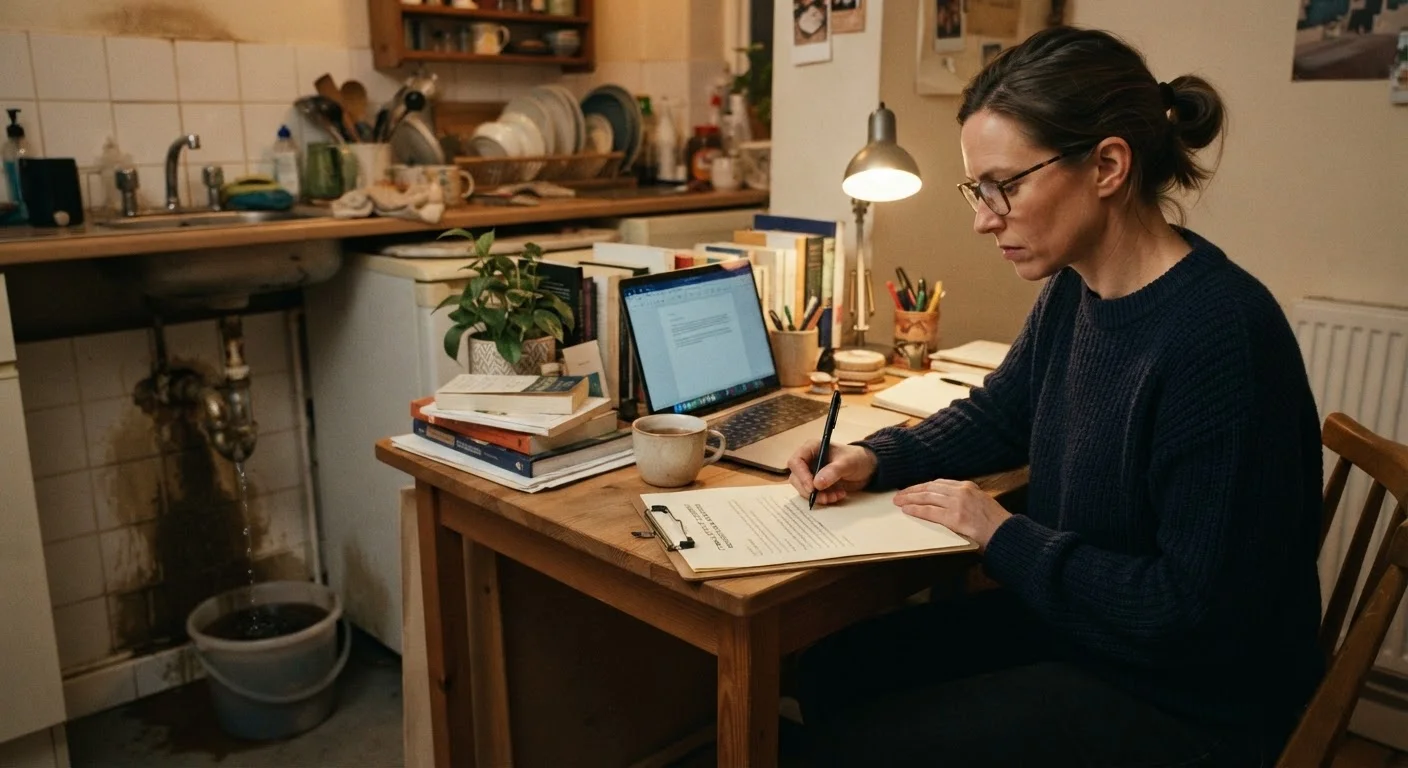
Why Proper Documentation Changes Everything
A maintenance request that exists only as a verbal conversation is essentially invisible in a dispute. Landlord-tenant disagreements - over withheld security deposits, responsibility for damage, or delayed repairs - are frequently resolved based on written records. Tenants who document systematically are in a fundamentally stronger position than those who rely on memory or goodwill.
The same principle applies broadly to any consumer protection situation. Just as thorough records support a warranty claim process, they are essential to a maintenance dispute. The good news is that building this habit requires very little time per incident.
If you completed a thorough move-in documentation walkthrough, you already have a baseline record of the unit's condition. Maintenance requests build on that foundation.
What you will need
What You Need Before You Begin
Handling a maintenance request well does not require legal expertise, but it does require a few practical tools and a baseline understanding of your rights. Review your lease before submitting any request - it may specify the required format or contact method. Having the right tools ready makes the process faster and your documentation more credible.
Smartphone camera
Photograph and video the issue with date and time metadata embedded automatically.
Email or certified mail
Submit and confirm written maintenance requests with a verifiable timestamp or delivery receipt.
Dedicated folder or cloud storage
Store all photos, written requests, and landlord responses in one organized, accessible location.
Maintenance request log (spreadsheet or notebook)
Track each issue, submission date, landlord response, and resolution date for quick reference.
Email Is Your Best Documentation Tool
Even if your lease asks you to call in requests, follow up every phone conversation with an email summarizing what was discussed and when. This creates a timestamped record that is far easier to reference than memory alone. A short, factual email sent the same day is sufficient.
Step-by-Step: From Report to Resolution
Follow these steps in order for any repair issue, adjusting your urgency based on whether the problem affects habitability. For non-urgent issues - a sticky door lock, a dripping faucet - the process is straightforward. For issues affecting heat, water, or structural safety, treat each step as time-sensitive.
Habitability Issues Require Immediate Action
Problems affecting health or safety - such as no heat in winter, sewage backups, gas leaks, or pest infestations - are generally classified as habitability violations under most state laws. These require urgent written notice to your landlord and, if unresolved quickly, contact with your local housing or building code authority. Do not delay documentation in these situations.
Document the problem with photos and notes
Before contacting your landlord, capture clear photographs or video of the issue. Enable location and date-stamp settings on your phone if available. Write down a brief factual description: what the problem is, where it is located, when you first noticed it, and whether it has worsened. This baseline record protects you if the landlord later disputes when the issue arose.
Submit a written request to your landlord
Send your request in writing - email is generally the most practical option because it is timestamped and easily forwarded. Include the specific location of the problem (room, unit number), a factual description, and the date you first observed it. Reference your lease clause on repairs if you know it. Keep the tone neutral and professional.
If your building uses an online tenant portal, submit through that system and send a follow-up email so you have a copy outside the portal.
Know your landlord's legal response window
Most states set legally defined timelines within which landlords must respond to repair requests - commonly 24-48 hours for emergency habitability issues and 14-30 days for non-emergency repairs. Look up your specific state's landlord-tenant law or contact a local tenant's rights organization to confirm the applicable deadlines. Note these dates in your log.
Follow up in writing if there is no response
If you receive no acknowledgment within a few business days (or sooner for urgent issues), send a brief follow-up referencing your original request date. State that you have not yet received a response and ask for a repair timeline. Keep this message equally professional in tone. Attach or quote your original request so the full thread is in one place.
Document the repair when it is completed
Once repairs are made, photograph the resolved area and note the date in your log. If a contractor entered your unit, record the date and what work was performed. This closes the loop on your documentation and is useful if the same issue recurs - a pattern of recurring problems can be relevant if a dispute arises later.
Escalate to local authorities if the issue remains unresolved
If a habitability issue remains unaddressed after the legal deadline has passed, you have escalation options. Contact your local housing authority, building code enforcement office, or health department to file a formal complaint. Many jurisdictions offer inspections at no cost to tenants. Continue to document every step: the complaint filing date, any inspector visits, and written outcomes.
At this stage, consulting a tenant's rights attorney or free legal aid organization in your area is strongly advisable before taking further action.
When Things Don't Go as Expected
Even well-documented requests can go unanswered. If your landlord is unresponsive after a reasonable period and a written follow-up, you have legal remedies available - but using them correctly matters. Tenants who skip procedural steps, such as the required written notice period before escalating, can inadvertently weaken their position.
Do Not Withhold Rent Without Legal Guidance
Some states allow rent withholding or rent escrow as remedies for unaddressed repairs, but the rules are strict and procedural errors can backfire. Before taking any action that affects your rent payments, consult a tenant's rights organization or a licensed attorney in your jurisdiction.
Keep every piece of communication - texts, emails, portal messages, and any written notices you receive - in a single organized folder. This habit, similar to the systematic approach recommended for maintaining car service records, pays dividends if you ever need to demonstrate a history of neglect to an inspector or in small claims court.
For ongoing home maintenance context that helps you distinguish between tenant-caused wear and pre-existing issues, the home improvement resources section offers additional guidance on what routine property upkeep typically involves.
This article is for general informational purposes only and does not constitute legal advice. Landlord-tenant laws vary significantly by state and locality. Consult a licensed attorney or tenant's rights organization in your jurisdiction for guidance specific to your situation.