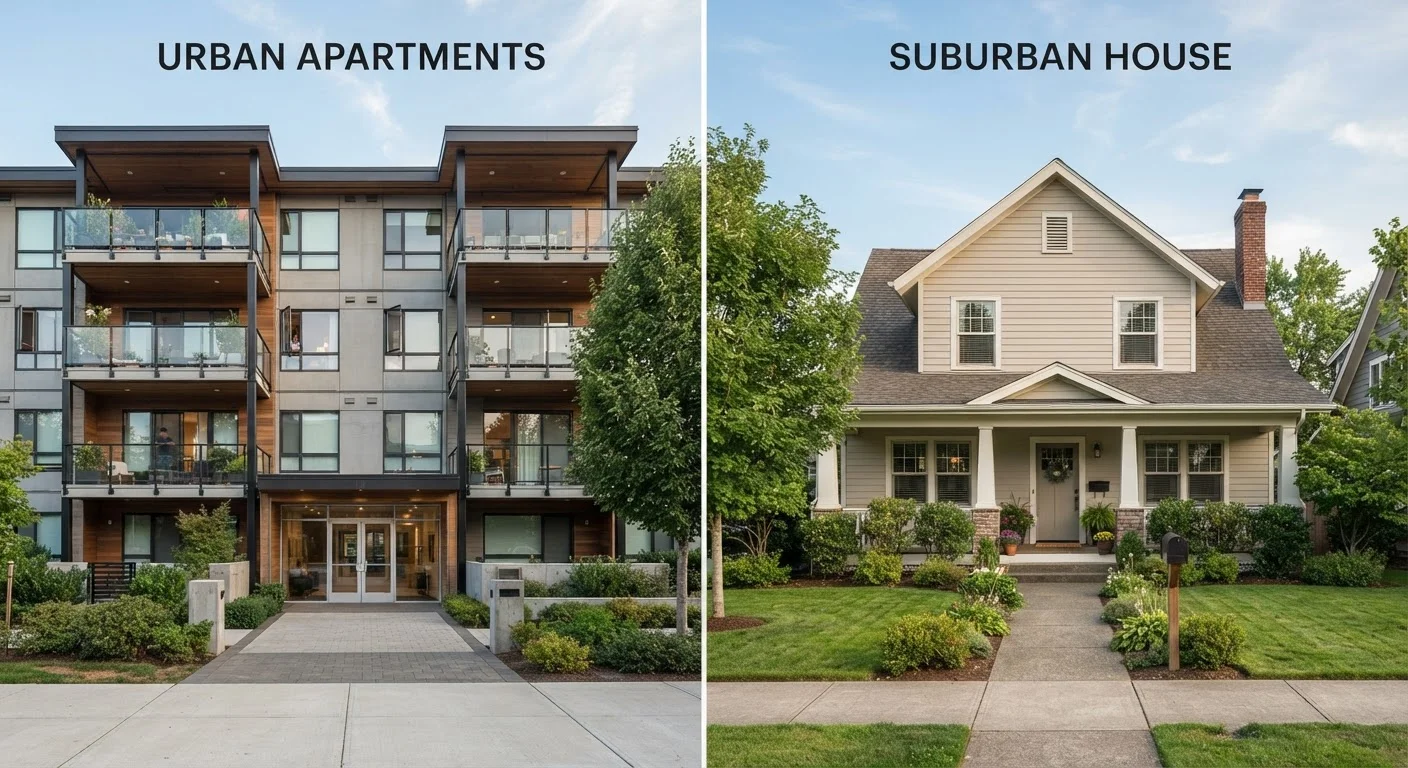
Cost: More Than Just Monthly Rent
The sticker price of rent is only part of the cost picture. Apartments - especially in managed complexes - frequently bundle some utilities, include on-site maintenance, and require a smaller security deposit than a house. House rentals, meanwhile, can carry higher square-footage costs in some markets and typically require tenants to manage all utilities independently. Before comparing listings, review what each covers. Our guide on what 'utilities included' really means can help you decode listing language carefully.
Moving costs also differ. Apartments often have elevators and loading docks; houses may require more labor. Renters switching from furnished options should weigh setup costs against rent differences - a topic explored in depth in our furnished vs. unfurnished rentals comparison.
| Apartment | House Rental | |
|---|---|---|
| Typical monthly cost | Lower to moderate | Moderate to higher |
| Square footage | Smaller on average | Larger on average |
| Outdoor space | Shared or none | Private yard common |
| Privacy from neighbors | Lower; shared walls | Higher; separate structure |
| Maintenance responsibility | Usually handled by management | Often more tenant responsibility |
| Pet-friendliness | Often restricted | More frequently allowed |
| Location availability | Urban and inner suburban | Suburban and rural |
| Lease flexibility | Standardized terms | More room to negotiate |
Space, Privacy, and Noise
House rentals generally offer more square footage, dedicated outdoor space, and greater acoustic separation from neighbors. For households with children, pets, or anyone who works from home, these factors can be decisive. Apartments - particularly in older buildings - often transmit sound between units and share walls, floors, or ceilings with multiple neighbors.
That said, many newer apartment developments are built with noise-reducing materials, and some complexes feature ground-floor units with private patios. The gap between the two options has narrowed in some markets, but renters sensitive to noise or in need of a yard should weigh house rentals more seriously.
Tour at Different Times of Day
Noise and neighbor activity vary by hour. Visiting a unit in the morning and again on an evening or weekend gives you a more accurate sense of the real acoustic environment. For house rentals, check traffic patterns and proximity to commercial areas that may be quiet during your daytime visit but loud at night.
Maintenance and Who's Responsible
In an apartment complex, a property management team typically handles repairs, landscaping, and common-area upkeep. For renters who want minimal involvement in maintenance logistics, this is a significant advantage. A broken appliance or HVAC issue is generally a phone call away.
House rental tenants often face a different dynamic. Some landlords - especially individual homeowners renting a single property - are highly responsive. Others are not. Leases for house rentals sometimes assign yard maintenance, gutter cleaning, or minor repairs to the tenant. Read the lease carefully and clarify in writing what falls to whom before signing.
Vague Maintenance Clauses Create Disputes
Leases that assign 'general upkeep' to tenants without specifics often lead to security-deposit disputes at move-out. Before signing, ask for a written list of exactly what maintenance falls to you versus the landlord. Document the property's condition with dated photos on move-in day, regardless of rental type.
Location and Lifestyle Fit
Apartment inventory is densest in urban cores and inner suburbs, putting renters closer to public transit, restaurants, and cultural amenities. House rentals are more common in outer suburbs and rural areas, where walkability scores are lower but space per dollar often improves. For renters exploring how these trade-offs connect to neighborhood character, see our overview of urban, suburban, and rural living differences.
Renters considering a longer-term move - or those curious whether renting in a neighborhood first could inform a future purchase - may find value in renting in a neighborhood before buying. The type of rental you choose affects how embedded you feel in the community; a house on a residential block often creates a different experience than a unit in a large complex.
If you're also weighing whether renting itself - versus owning - makes sense for your situation, the renting vs. owning financial and lifestyle comparison covers that broader question in detail.
Lease Terms and Landlord Dynamics
Apartment complexes typically offer standardized leases with clearly defined renewal terms and professional property management. This predictability can be reassuring, though large complexes may also raise rents more aggressively at renewal. Individual landlords renting houses may offer more flexible terms - month-to-month arrangements, negotiated start dates, or willingness to allow modifications - but enforcement and responsiveness can vary widely.
Renters sharing either type of unit with others should establish clear expectations early. Our guide on renting with roommates offers practical frameworks for co-tenants. And if your situation changes mid-lease, understanding what subletting actually involves can help you navigate exit options carefully.
This article provides general information for renters and is not a substitute for legal or financial advice specific to your situation. Lease terms, tenant rights, and local rental regulations vary by state and municipality. Consult a qualified professional for guidance on your individual circumstances.