What the Labels Actually Mean
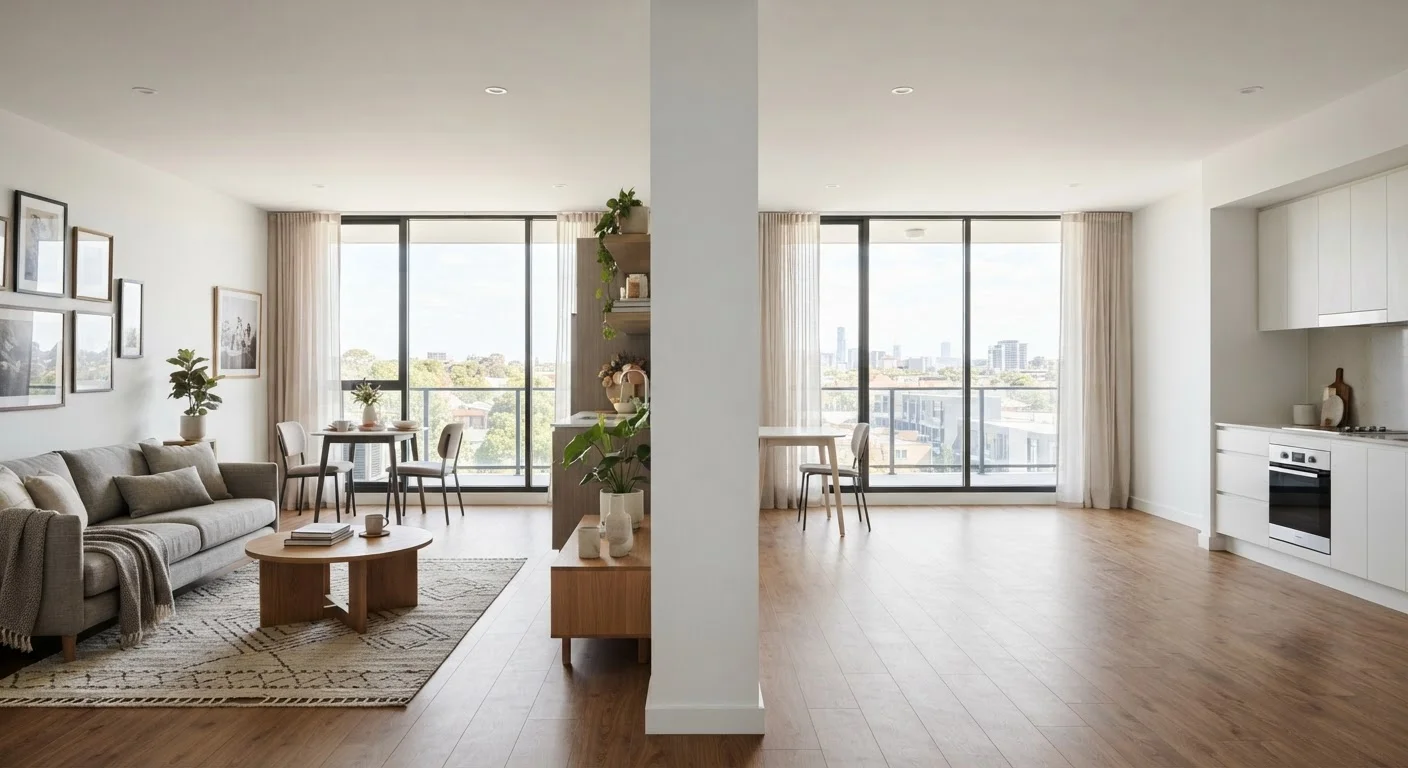
A furnished rental typically comes equipped with the core items needed to live in a space immediately - beds, sofas, dining tables, and often kitchen basics. However, "furnished" is not a standardized term, and what's included varies widely by landlord and market. One unit may offer a fully outfitted kitchen and linens; another may provide only a few major pieces of furniture.
An unfurnished rental is generally delivered empty, though most include standard fixtures - light fittings, kitchen appliances, and window treatments may or may not be present depending on the listing and local norms. Before signing any lease, review exactly what stays and what doesn't. See our guide on what "utilities included" really means for a related example of how listing language can mislead.
"Furnished" Is Not a Standardized Term
There is no legal or industry-wide definition of what a furnished rental must include. One landlord's furnished unit may include cookware and linens; another's may mean only a mattress and a couch. Always request a written inventory of included items before signing. This protects both parties in the event of a dispute at move-out.
Pros and Cons of Furnished Rentals
Furnished apartments eliminate the cost and logistics of purchasing furniture upfront - a meaningful advantage when you're relocating on short notice or living somewhere temporarily. Corporate relocation packages, academic appointments, and extended travel assignments are common scenarios where furnished units justify their premium.
Move in immediately with no furniture purchases
Furnished units eliminate the time and upfront cost of sourcing, buying, and assembling furniture - especially valuable for relocations with tight timelines.
Lower financial barrier at move-in
While rent is higher, you avoid lump-sum furniture costs that can easily reach several thousand dollars for a one-bedroom setup.
Ideal for short-term or transitional stays
Corporate assignments, academic residencies, and temporary housing needs are well-served by furnished rentals that align with short lease terms.
Simpler logistics when relocating long distances
Cross-country or international moves eliminate the need to ship or store bulky furniture, reducing moving costs and complexity considerably.
The downsides are just as real. Higher monthly rent is the most obvious, but furnished leases also typically involve more complex security deposit terms. Landlords must protect the value of their furnishings, so you may face itemized damage assessments at move-out. Additionally, you're living with someone else's taste and quality choices - worn-out sofas or mismatched furniture come with the deal.
Significantly higher monthly rent
The furnished premium typically runs 15-30% above comparable unfurnished units, a gap that compounds into thousands of dollars over a year-long lease.
Damage liability for landlord's belongings
Security deposits on furnished rentals tend to be larger and more complex, with landlords entitled to deduct for damage to included furniture and items.
No control over furniture quality or style
You inherit whatever the landlord provides - condition, taste, and functionality may not match your standards or needs.
Poor long-term financial value
Renters who stay two or more years almost always pay more in furnished premiums than it would have cost to buy modest furniture outright.
The Real Cost Difference
Furnished units typically command a monthly premium of roughly 15-30% above comparable unfurnished rentals in the same area, though this varies by market and what's included. Over a 12-month lease, that gap compounds significantly. On a $1,800/month base rent, a 20% furnished premium adds approximately $4,320 annually.
15-30%
Typical furnished rental monthly premium
Industry estimates consistently place furnished units at a 15-30% rent premium over comparable unfurnished units in the same market.
$3,000-$8,000+
Typical cost to furnish a one-bedroom from scratch
Consumer spending data and furniture retail surveys suggest outfitting a basic one-bedroom apartment runs between $3,000 and $8,000 depending on quality and completeness.
That said, upfitting an empty apartment from scratch isn't free either. Beds, sofas, dining sets, and kitchen essentials can easily run $3,000-$8,000 or more depending on quality. For renters who don't own furniture and need a place quickly, the furnished premium may be cost-competitive in the short term - but it rarely wins over multi-year stays. For a fuller picture of what renting actually costs, see our article on hidden costs of renting that listings don't mention.
Which Option Fits Your Situation
A few practical questions help clarify the decision:
- How long will you stay? Under 12 months, furnished often makes sense. Beyond that, unfurnished typically delivers better value.
- Do you own furniture? If you're already moving belongings across town, unfurnished is straightforward. If you're relocating across the country or internationally, shipping costs may tip the balance.
- What's your lease type? Furnished units frequently align with short-term or month-to-month leases. Understanding the tradeoffs between month-to-month and fixed-term leases helps frame this decision.
- What does the local market look like? In some cities, furnished inventory is limited and commands a steep premium. In others, it's widespread and competitively priced. Learning to read your local rental market can strengthen your negotiating position.
If you're weighing renting against buying altogether, the rent-vs.-buy decision framework provides a broader financial lens for that choice.
This article is for general informational purposes only and does not constitute financial, legal, or leasing advice. Rental market conditions, costs, and lease terms vary by location and individual circumstance. Consult a licensed real estate professional or attorney for guidance specific to your situation.