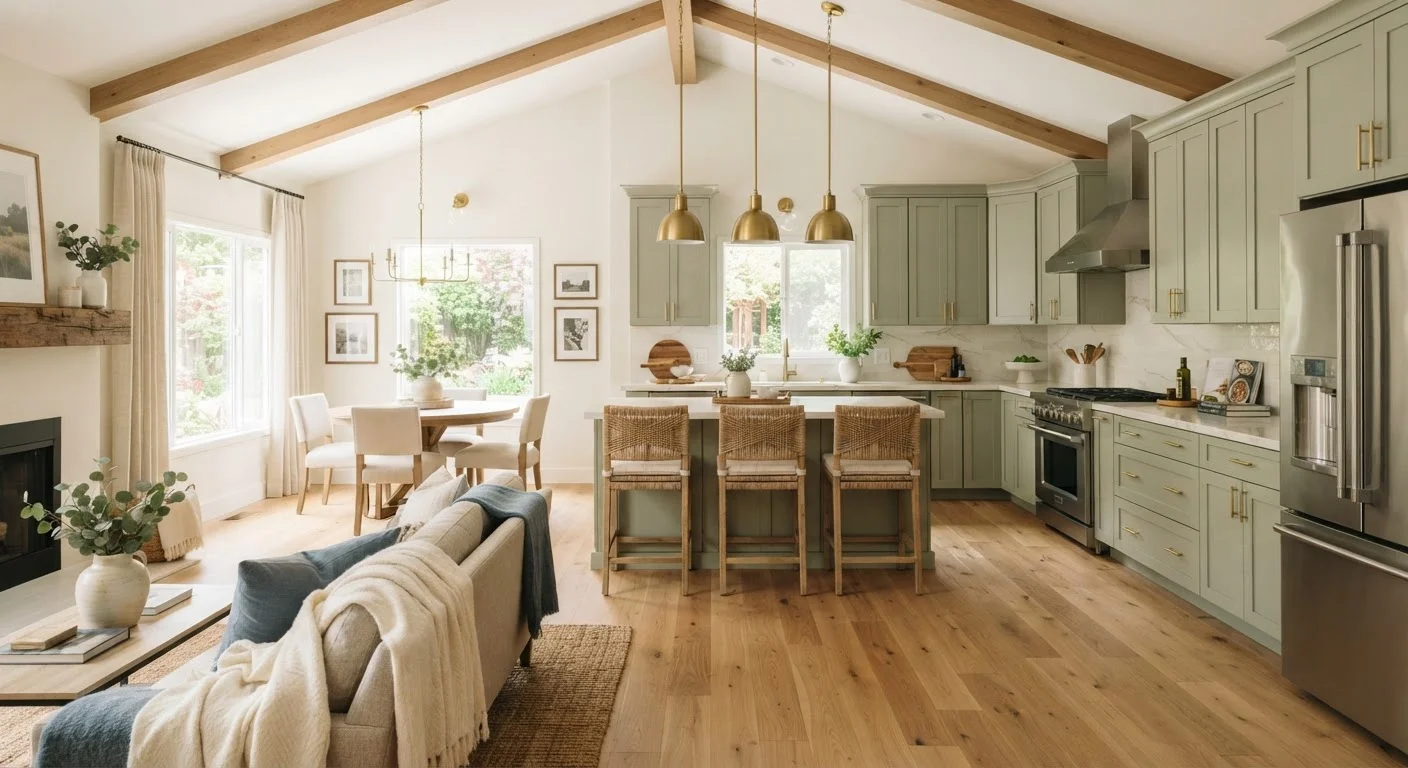
Why Not Every Renovation Translates to a Higher Sale Price
When preparing to sell, homeowners face a persistent question: which improvements are worth the time and money? The instinct to upgrade before listing is understandable - a polished home photographs better, shows more confidently, and can attract stronger offers. But not every dollar spent comes back at closing.
Industry data compiled by organizations such as the National Association of Realtors and Remodeling Magazine suggests that cost-recoup rates vary widely by project type. Exterior improvements and maintenance-focused updates routinely outperform high-end interior renovations in percentage of cost recovered. Meanwhile, large additions or luxury finishes in mid-market neighborhoods often return less than sellers expect - a concept sometimes called the neighborhood price ceiling, where comparable home values cap what buyers will pay regardless of finishes.
Before committing to any project, it's worth reading about costs renovation budgets often overlook, and separating fact from fiction by reviewing common myths about renovation ROI. The projects below reflect categories that have historically returned a higher share of their cost - though results always vary by market, condition, and execution.
Garage Door Replacement
Garage door replacement consistently ranks among the highest cost-recoup projects in industry surveys. Because the garage door occupies a large share of a home's front-facing facade, a dated or damaged door has an outsized visual impact. Replacing it with a clean, insulated steel model improves both curb appeal and energy efficiency - two qualities buyers notice immediately.
The project is also relatively predictable in cost compared to interior renovations, with fewer hidden surprises once work begins. For more on how exterior improvements influence buyer perception, see curb appeal changes that make a difference when selling.
A garage door is one of the most visible elements buyers evaluate before stepping inside.
Minor Kitchen Updates
A full kitchen gut renovation rarely returns 100% of its cost, but targeted, cosmetic updates often perform much better. Refinishing or repainting cabinet boxes, replacing hardware, installing a new faucet, or updating light fixtures can meaningfully modernize a kitchen's appearance without the expense of a complete overhaul.
Buyers respond to kitchens that look current and clean. Dramatic custom renovations to personal taste can actually work against sellers, since buyers may not share those preferences and mentally discount for future changes they'd want to make.
Targeted kitchen updates often outperform full renovations in percentage of cost recovered at resale.
Fresh Interior and Exterior Paint
Paint is among the highest-leverage investments a seller can make. Neutral interior colors help buyers visualize their own belongings in a space, reducing the psychological friction that bold or dated colors can create. Fresh exterior paint signals upkeep and care throughout - a proxy buyers use to infer the condition of less visible systems.
The cost of professional painting is modest relative to the improvement in perceived condition. Chipped, dirty, or strongly personalized paint is one of the most common reasons buyers mentally reduce their offer before negotiations even begin.
Neutral, freshly painted walls help buyers project themselves into the home - a powerful psychological advantage.
Hardwood Floor Refinishing or Repair
Worn or scratched hardwood floors are immediately noticeable and often cause buyers to wonder what else has been neglected. Refinishing existing hardwood - rather than replacing it - is typically cost-effective and can restore floors to near-new condition. Where floors are damaged beyond refinishing, targeted repairs or replacement of isolated sections may be appropriate.
Buyers in many markets actively seek hardwood and will pay a premium for floors in good condition. Covering hardwood with carpet before a sale is generally counterproductive if the wood underneath is in acceptable shape.
Refinishing existing hardwood floors is one of the more cost-efficient ways to refresh a home's interior appeal.
Entry Door Replacement
A front door creates the first tactile impression a buyer has of a home - it's what they touch before anything else. A sturdy, well-fitted steel or fiberglass entry door with updated hardware communicates security, quality, and attention to detail. It also contributes directly to energy efficiency, which buyers increasingly factor into long-term ownership costs.
Entry door replacement is a contained, predictable project that rarely involves structural work or permitting in most jurisdictions, making it one of the lower-risk improvements on a pre-sale list.
The front door is the first physical touchpoint buyers have - its condition sets the tone for everything that follows.
Insulation and Basic Energy Upgrades
Adding attic insulation or addressing obvious gaps in a home's thermal envelope is a project that rarely gets photographed but has measurable appeal to buyers concerned about utility costs. In markets where energy efficiency is a selling point, documentation of improvements - including any applicable energy audit results - can be presented as part of the disclosure package.
This category also includes sealing drafts, ensuring HVAC systems are serviced and clean-filtered, and addressing any obvious air leakage. These are maintenance-adjacent improvements that signal a well-cared-for home rather than deferred upkeep.
Insulation upgrades may not photograph well, but documented energy improvements resonate with cost-conscious buyers.
Putting It All Together Before You List
The unifying principle across high-returning projects is this: buyers pay for condition and confidence, not necessarily for luxury. A home that feels clean, functional, and move-in ready removes the mental burden buyers associate with risk - and that perception has real monetary value.
Talk to a Local Agent Before You Start
A real estate agent active in your specific neighborhood can tell you which improvements are generating buyer interest right now - and which ones are unlikely to move the needle in your price range. A 30-minute conversation before you commit to a project budget can save significant time and money. Local market dynamics often matter more than national averages when projecting what a renovation will return.
Scope matters just as much as project type. A minor kitchen refresh can return more than a full gut renovation in the same house, as explored in our look at when a full bathroom gut job isn't necessary. Similarly, converting existing unused space often outperforms building a new addition - a trade-off detailed in room addition vs. finishing existing space.
Before finalizing any pre-sale plan, consult a licensed real estate agent familiar with your specific neighborhood. They can identify which improvements local buyers are actively responding to, helping you invest where it counts most.
This article is for general informational purposes only and does not constitute financial, legal, or real estate advice. Renovation costs and resale outcomes vary by location, market conditions, contractor, and individual property. Consult qualified professionals before making significant financial decisions.