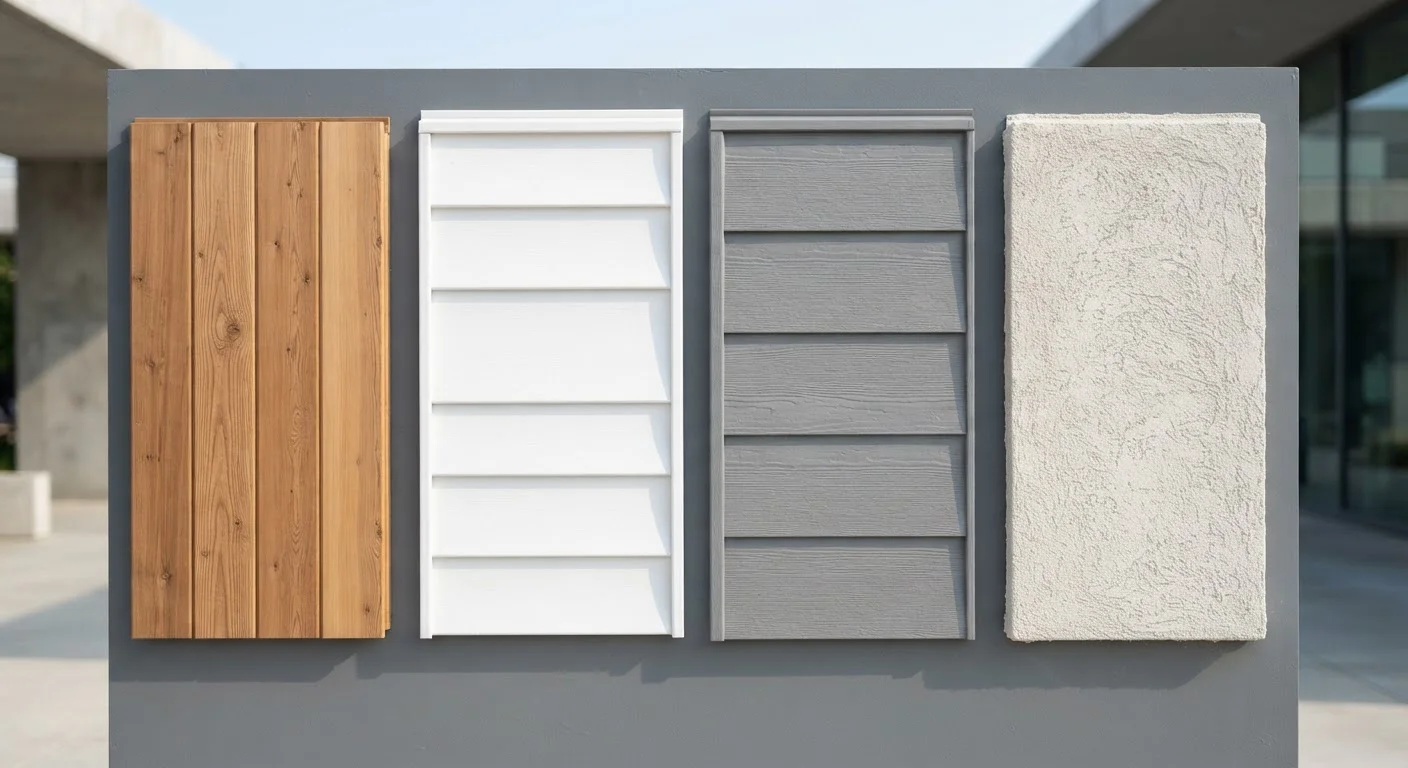
Wood Siding: Character With a Maintenance Commitment
Wood siding - available as clapboard, shingles, or board-and-batten - is valued for its natural appearance and historical authenticity. It takes paint and stain well, allowing considerable design flexibility. However, wood demands consistent upkeep: repainting or restaining every five to seven years is typically necessary, and it requires prompt attention to moisture intrusion, rot, and insect damage.
Cedar and redwood are the most commonly used species because of their natural resistance to decay, but no wood is impervious to the elements. In humid or rainy climates - such as the Pacific Northwest or the Southeast - wood siding must be installed with proper flashing, ventilation, and a moisture barrier to prevent premature failure. Lifespan can reach 20-40 years with diligent maintenance, but neglected wood siding deteriorates quickly.
For homeowners weighing the condition of an older home's exterior, see how to prioritize structural vs. cosmetic repairs before committing to a siding replacement project.
Vinyl Siding: Affordable and Low Maintenance
Vinyl siding is the most widely installed siding material in the United States, largely because of its low upfront cost and minimal maintenance requirements. It doesn't need painting, resists moisture, and cleans easily with a garden hose. Modern vinyl products are available in a wide range of profiles and colors, though fading can occur over time, and color options are baked in rather than painted on.
The main weaknesses of vinyl are dimensional: it expands and contracts significantly with temperature swings, and it can crack or become brittle in sustained extreme cold. It also offers lower impact resistance compared to fiber cement or wood. Vinyl is generally not recommended for high-wind coastal regions where airborne debris is a concern, or for homes in climates with frequent freeze-thaw cycles.
| Wood | Vinyl | Fiber Cement | Stucco | |
|---|---|---|---|---|
| Typical Lifespan | 20-40 years | 20-40 years | 50+ years | 50+ years |
| Upfront Cost | Moderate-High | Low | Moderate | Moderate |
| Maintenance Level | High | Low | Low-Moderate | Low (dry climates) |
| Moisture Resistance | Low-Moderate | High | High | Low if improperly installed |
| Fire Resistance | Low | Low-Moderate | High | High |
| Best Climate Fit | Dry to moderate | Moderate | Most climates | Dry, warm climates |
| DIY-Friendly | Moderate | Yes | Difficult | No |
When installed correctly, vinyl can last 20-40 years. It's a practical choice for moderate U.S. climates where budget is a primary concern.
Fiber Cement: Durable Performance Across Most Climates
Fiber cement - a composite of cement, sand, and cellulose fibers - has grown substantially in popularity because it addresses many of the vulnerabilities of wood and vinyl without a prohibitive price. It resists fire, rot, and insect damage, holds paint well, and can be manufactured to mimic the appearance of wood siding convincingly.
Factor in Painting Cycles When Comparing Costs
Fiber cement's upfront cost is higher than vinyl, but its paint holds significantly longer than wood - typically 10-15 years between coats versus 5-7 for wood. When estimating the total cost of ownership over 30 years, include labor and materials for repainting cycles, not just initial installation. This often shifts the lifecycle math in favor of fiber cement for homeowners planning to stay long-term.
Fiber cement is heavier than vinyl and requires professional installation in most cases; improper fastening or cutting without the appropriate dust controls can create both structural and health concerns. It also needs repainting roughly every 10-15 years. Properly maintained fiber cement siding can last 50 years or more, making its higher upfront cost competitive on a lifecycle basis.
It performs reliably in humid, cold, and hot climates alike, which is one reason it's commonly specified in both new construction and renovation projects across most of the country. If you're evaluating siding for a new build, the comparison of new construction versus existing homes is also worth reviewing for context on how material choices factor into long-term ownership costs.
Stucco: Ideal in Dry Climates, Demanding Elsewhere
Traditional stucco is a cement-based plaster applied in multiple coats directly over a substrate. It creates a seamless, textured exterior finish that is naturally fire-resistant, relatively low maintenance in dry climates, and long-lasting - often 50+ years in appropriate conditions. It's a dominant choice in the Southwest, California, and Florida for good reason.
The critical limitation of stucco is moisture management. In wetter climates or where installation is imperfect - particularly around windows, doors, and penetrations - water can become trapped behind the stucco layer, leading to mold, rot of the underlying structure, and costly remediation. Synthetic stucco (EIFS, or Exterior Insulation and Finish System) adds insulation but has historically shown higher moisture intrusion risk than traditional three-coat stucco when not properly sealed and maintained.
Stucco and Moisture: Know the Risk
Stucco applied in regions with frequent rain, high humidity, or freeze-thaw cycles carries meaningful risk of moisture intrusion if not installed with meticulous attention to sealing and flashing. Once water penetrates behind a stucco system, damage to sheathing and framing can be extensive and expensive to remediate. Have any existing stucco home inspected by a qualified contractor before purchasing, and insist on proper moisture barriers and drainage planes in any new installation.
Stucco repair is also less DIY-friendly than vinyl or fiber cement patching; matching the original texture requires skill and is often best left to an experienced plasterer. Homeowners in mixed-climate or high-rainfall areas should carefully evaluate whether stucco is the right long-term investment. For related material performance context, insulation choices often interact with siding system decisions, particularly with EIFS installations.
This article is for general informational purposes only and does not constitute professional construction, contracting, or financial advice. Costs, code requirements, and material performance vary significantly by region. Consult a licensed contractor and verify local building codes before beginning any exterior siding project.