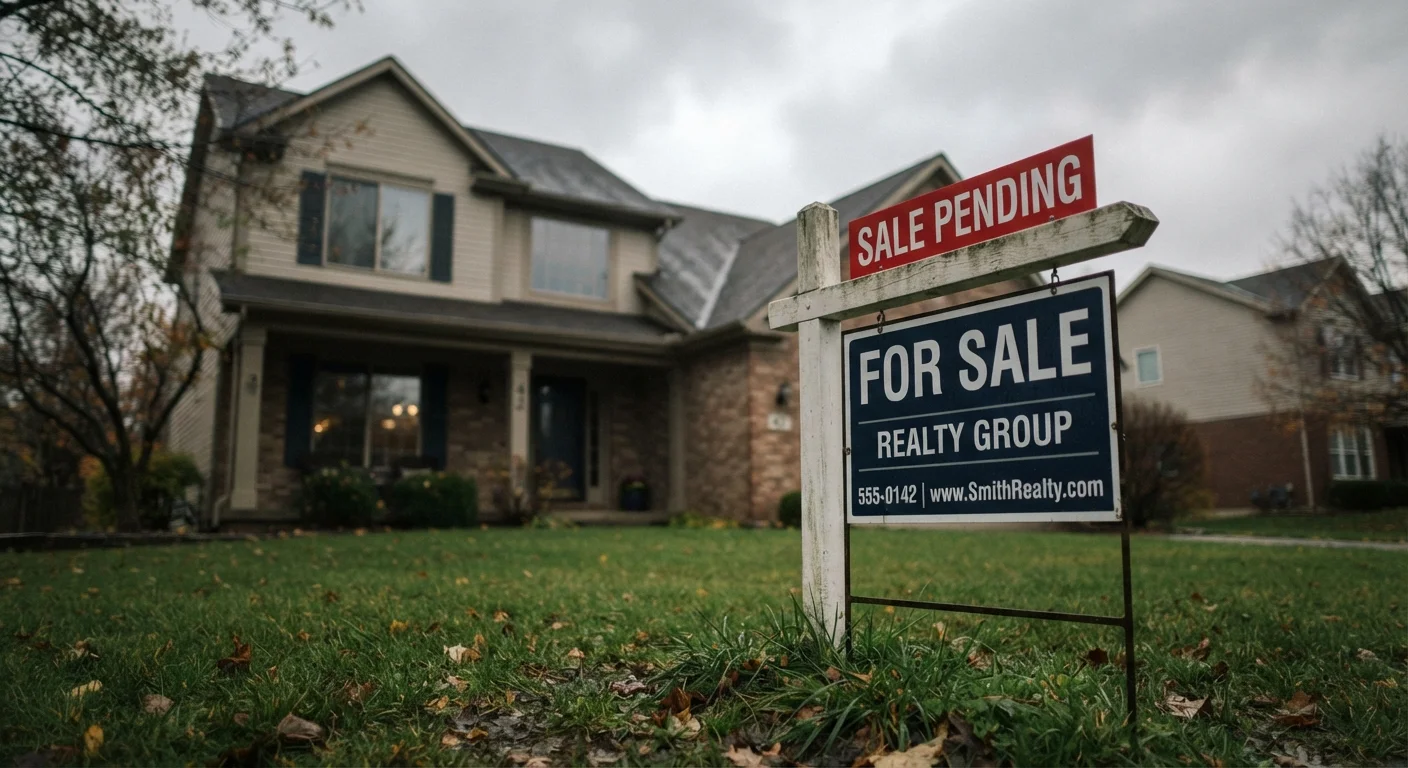
How Common Are Escrow Fallouts - and Why They Happen
Industry data consistently shows that between 5% and 10% of home purchase contracts never make it to closing. While that may sound like a small share, it represents thousands of deals every month - and the stress, financial cost, and lost time that come with them affect both buyers and sellers deeply.
The causes cluster around a handful of recurring issues:
- Financing failure: The buyer's mortgage falls through after underwriting, often due to a job change, new debt, or a documentation problem discovered late.
- Appraisal gap: The home appraises below the agreed purchase price, leaving a gap the buyer can't - or won't - cover out of pocket.
- Inspection findings: A home inspection reveals significant defects, and the parties can't agree on repairs or price adjustments. See our practical walkthrough for negotiating after an inspection for strategies that keep deals alive.
- Title problems: Unresolved liens, ownership disputes, or easement issues surface during the title search.
- Buyer's remorse or life changes: A buyer gets cold feet or experiences a major life change - job loss, divorce, relocation cancellation - and looks for any exit.
- Contingency failures: The buyer cannot sell their current home within the agreed timeframe, triggering a home-sale contingency exit.
A Note on Distressed Property Transactions
Distressed properties - short sales and foreclosures - carry a significantly higher fallout rate than standard listings. The timeline is longer, the seller (often a bank) can be unpredictable, and title complications are more common. Consider the added complexity before pursuing one of these transactions.
Distressed properties - short sales and foreclosures - carry a significantly higher fallout rate than standard listings. The timeline is longer, the seller (often a bank) can be unpredictable, and title complications are more common. Learn what those transactions actually look like before pursuing one.
What Buyers Can Do to Protect Themselves
A buyer who is well-prepared before submitting an offer is far less likely to contribute to a fallout - and far better positioned if the deal still collapses through no fault of their own.
Prepare Before You Make an Offer
The groundwork you lay before going under contract has more impact on whether a deal closes than almost anything you do during escrow. Fully underwritten pre-approval, financial stability, and a clear-eyed understanding of contingencies are the three foundations of a buyer who closes reliably.
Strengthen Your Position Before Going Under Contract
- Get fully underwritten pre-approval, not just pre-qualification. Pre-qualification is a quick estimate; full underwriting review means your income, assets, and credit have already been verified. This dramatically reduces late-stage financing surprises.
- Avoid financial changes during escrow. Do not open new credit accounts, make large purchases, change jobs, or move significant sums of money. Even legitimate changes can cause lender underwriting to restart.
- Understand your contingencies before you waive them. In competitive markets, buyers sometimes waive inspection or financing contingencies to win a bidding war. Doing so removes your primary legal exit ramps - only consider it with clear-eyed understanding of the risk.
- Attend the inspection and ask questions. Surprises are less destabilizing when you understand what inspectors are actually flagging. Most defects are negotiable; some issues consistently derail deals when buyers aren't prepared for them.
- Build in buffer for the appraisal. If you're in a rising market, consider how you'd handle an appraisal shortfall before it happens - whether that means renegotiating, paying the gap, or walking away.
What Sellers Can Do to Reduce Fallout Risk
Sellers often feel passive during escrow, but there is significant influence they can exercise on the front end to attract buyers who close.
5-10%
Home purchase contracts that never close
Industry estimates from real estate trade organizations suggest roughly one in ten accepted offers falls apart before the deed transfers.
#1
Leading cause of escrow fallout
Financing failures - where the buyer's mortgage is denied or collapses during underwriting - are consistently cited as the top reason deals don't close.
30-45 days
Typical residential escrow period
Most standard purchase contracts in the U.S. set a 30- to 45-day escrow period, giving both parties time to fulfill contractual conditions.
Seller Strategies That Lower Risk
- Price the home accurately from the start. Overpriced homes attract offers from buyers willing to gamble on the appraisal - and lose when it comes in low. A well-priced home generates more reliable offers. Extended days on market often signal a pricing problem worth addressing before it becomes a contract problem.
- Complete a pre-listing inspection. Identifying and disclosing known defects before listing removes the shock factor that kills deals during the buyer's inspection period. Sellers who disclose proactively give buyers fewer surprises - and fewer reasons to renegotiate or exit.
- Verify buyer financing quality early. Ask your agent to review the pre-approval letter carefully and, where appropriate, request a lender letter confirming the buyer's loan has been through underwriting review - not just a quick estimate.
- Negotiate contingency timelines carefully. Tighter contingency deadlines reduce the window for deals to unravel without eliminating buyer protections entirely. Work with your agent to set realistic but firm timelines for financing, inspection, and appraisal.
- Maintain the home through closing. Buyers often do a final walkthrough before closing. Damage, removed fixtures, or deferred maintenance discovered at that stage can restart negotiations or kill the deal entirely.
“The deals most likely to close are the ones where both parties come in informed. Surprises are the enemy of escrow - whether it's a buyer whose finances change or a seller whose home has hidden problems. Preparation on both sides closes more deals than any other single factor.”
— Real Estate Editorial Team, Editorial analysis based on industry research and practitioner interviews