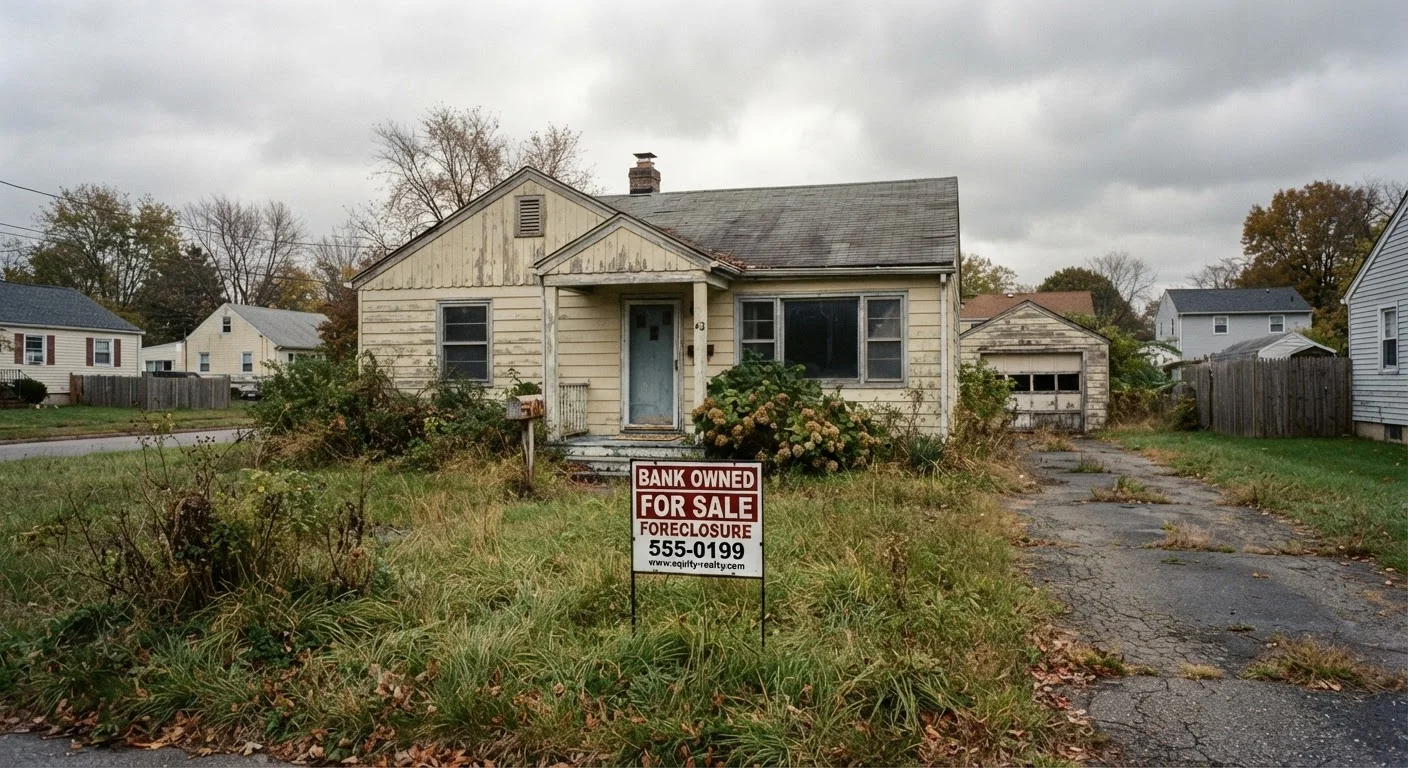
Two Paths to a Distressed Property
Distressed properties reach the market through two primary routes: short sales and foreclosures. Though both involve financial hardship on the seller's side, they work very differently in practice - and each requires buyers to adjust their expectations around timeline, condition, and process complexity.
For a broader view of how a standard purchase unfolds, see the full lifecycle of a home purchase. Distressed transactions add several layers on top of that baseline process.
3-6 months
Typical short sale closing timeline
Industry estimates from real estate professionals consistently place short sale timelines well above the 30-45 days typical in standard transactions.
As-is
Condition disclosure standard for most foreclosures
Lender-owned (REO) properties are sold without seller repair obligations, requiring buyers to absorb all condition risk.
Up to 20%
Potential discount vs. comparable market price
Distressed properties may sell below market value, though the actual discount varies significantly by local market conditions and property state.
How the Short Sale Process Works
In a short sale, the homeowner - typically underwater on their mortgage - lists the home and accepts an offer, but cannot close without their lender's explicit approval to accept less than what's owed. That approval process is where timelines can stretch significantly.
After a buyer submits an offer, the seller's listing agent packages a short sale package - including the purchase contract, a hardship letter, financial statements, and a comparative market analysis - and submits it to the lender's loss mitigation department. From there, the lender may request additional documents, order its own appraisal or BPO (broker price opinion), and ultimately approve, counter, or deny the sale.
Buyers should expect the lender response to take anywhere from 30 days to several months. If the lender counters at a higher price, negotiations restart. Throughout this waiting period, the buyer's financing pre-approval should remain active - which is one reason understanding the mortgage underwriting process matters before entering a short sale contract.
Choose an agent with distressed-sale experience
Not every buyer's agent has navigated a short sale or REO transaction. Look for agents who have closed multiple distressed deals and understand bank addenda, loss mitigation timelines, and common lender requirements. This experience can mean the difference between a transaction that closes and one that collapses after months of waiting.
How Foreclosure Purchases Work
Foreclosures come in three stages, each with a different buying process:
- Pre-foreclosure: The owner is in default but the lender hasn't yet taken the property. Short sales often occur at this stage.
- Auction (trustee sale): The property is sold at a public auction, often on courthouse steps. Buyers typically must pay cash on the day of sale with limited or no inspection access beforehand. This carries the highest risk of unknown liens, occupants, or condition problems.
- REO (Real Estate Owned): If a property doesn't sell at auction, it reverts to the lender and is listed - often through a standard MLS - for sale. This is the most accessible route for typical buyers using mortgage financing.
REO purchases resemble standard transactions in mechanics but differ in that the bank seller provides minimal disclosures and will not make repairs. Real estate appraisals can be particularly problematic with REO properties: if the appraised value comes in lower than the purchase price, the lender-seller rarely adjusts, and the deal can collapse.
Condition, Inspections, and the As-Is Reality
Both short sales and foreclosures are nearly always sold as-is. In a short sale, the seller may have deferred maintenance due to financial hardship. In a foreclosure, the property may have sat vacant - sometimes for months or years - accumulating damage from weather, vandalism, or neglected utilities.
Buyers should conduct a thorough independent inspection even when the seller cannot guarantee repairs. Common issues in distressed homes include plumbing deterioration, HVAC system failure, roof damage, mold from moisture intrusion, and in some cases, stripped copper wiring or removed fixtures by prior occupants.
Factor estimated repair costs into your offer before submitting. A purchase price that looks like a bargain can become expensive once deferred maintenance is priced in. Deals in distressed sales can also fall apart for unexpected reasons - understanding why homes fall out of escrow can help buyers prepare for mid-transaction surprises.
Title Search Is Non-Negotiable
Distressed properties - especially those purchased at auction - may carry outstanding liens from unpaid property taxes, HOA dues, or secondary mortgages. A thorough title search before closing is essential. In some cases, title insurance may not fully protect against liens that weren't discovered pre-sale, so verify coverage carefully with a title attorney.
Financing Considerations for Distressed Homes
Getting a mortgage on a distressed property isn't always straightforward. Conventional and FHA lenders require homes to be in livable condition - with functioning utilities, a sound roof, and no major safety hazards. A property in serious disrepair may fail appraisal requirements, leaving buyers without financing even after weeks of waiting.
Options buyers should be aware of include:
- FHA 203(k) loans: Allow buyers to finance both the purchase price and renovation costs in a single loan, provided a licensed contractor is used.
- Conventional renovation loans (HomeStyle): A similar product offered for conventional borrowers.
- Cash purchases: Particularly common at auctions, where no financing contingency is possible.
Even in REO purchases, bank-seller addenda often override standard contract terms and limit buyer protections. Review these carefully with a real estate attorney before signing. For a broader look at how distressed purchases fit into the overall homebuying picture, the Property & Mortgages hub covers mortgage options in depth.
This article is for general informational purposes only and is not financial, legal, or real estate advice. Consult a licensed real estate professional, attorney, and financial adviser for guidance specific to your situation.