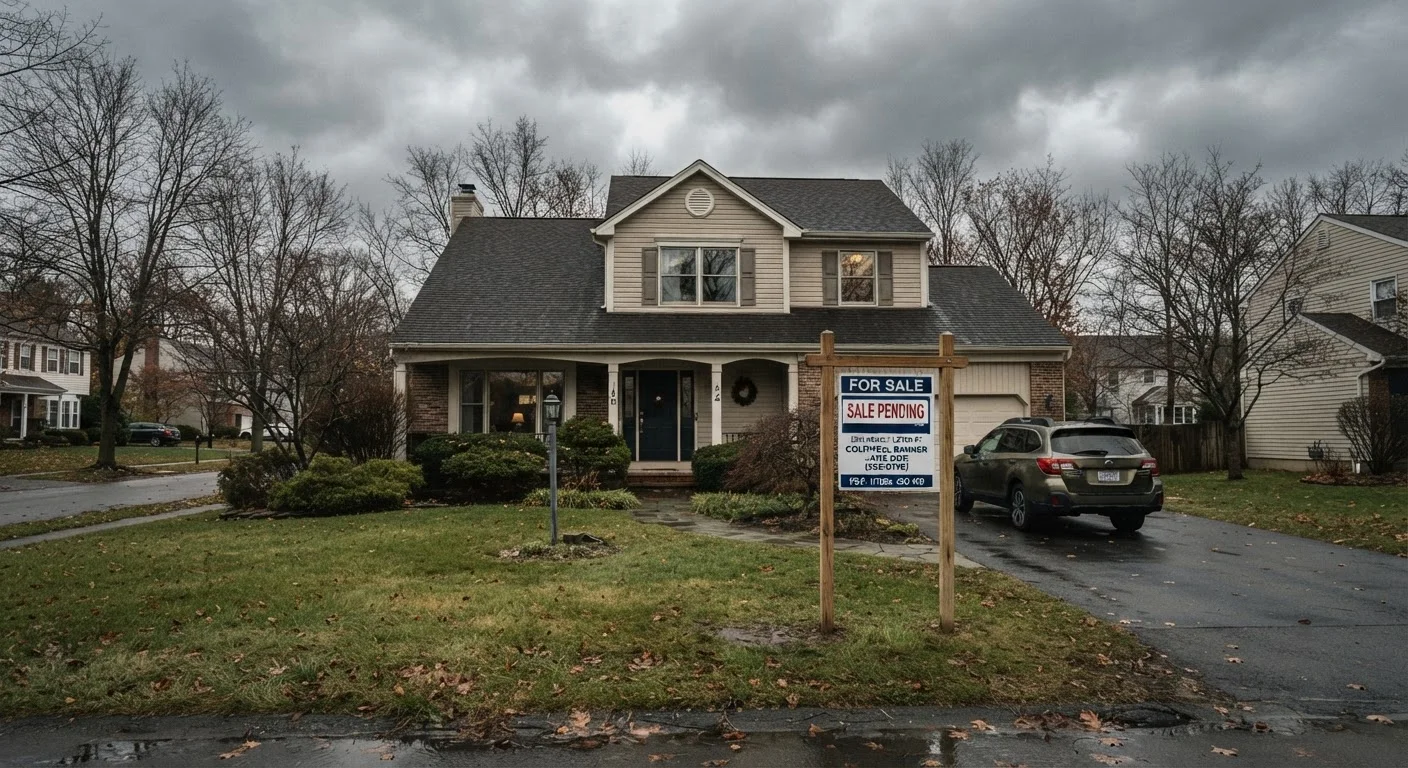
The Gap Between 'Accepted' and 'Closed'
Accepting an offer feels like the finish line - but for buyers and sellers alike, it's really the starting gun on a sprint through inspections, financing approvals, appraisals, and legal clearances. Industry data has consistently shown that a meaningful share of signed contracts never make it to closing, often for reasons that could have been anticipated or managed earlier in the process.
Understanding what typically goes wrong - and when - gives both parties the best chance of protecting a transaction they've already invested significant time and money to reach. The list below covers the most common derailments, drawn from established real estate practice. For a broader look at deal collapses specifically in the escrow phase, see why homes fall out of escrow.
Buyer Financing Falls Through
This is consistently among the top reasons accepted deals collapse. A buyer may have been pre-approved at the time of the offer, but pre-approval is not a guarantee of final loan approval. Between offer acceptance and closing, lenders conduct a full underwriting review - examining income documentation, employment verification, debt-to-income ratios, and credit history in detail.
Common triggers include a job change, a large new purchase made on credit, a dip in credit score, or the property not meeting the lender's specific requirements. Sellers can reduce this risk by requesting a fully underwritten pre-approval (sometimes called a credit approval or DU approval) rather than a standard pre-approval letter.
A pre-approval letter is a starting point, not a guarantee of funding at closing.
The Appraisal Comes in Below the Purchase Price
When a buyer is financing the purchase, the lender will require an independent appraisal to confirm the property's market value supports the loan amount. If the appraised value lands below the agreed purchase price, the lender will only finance based on the appraised figure - leaving a gap the parties must resolve.
Options include the seller reducing the price, the buyer making up the difference in cash, or both parties splitting the gap. If neither party is willing to negotiate, the buyer may be able to exit the contract under their appraisal contingency. Low appraisals in fast-moving markets have become more frequent when offer prices escalate quickly.
A gap between appraised value and purchase price forces a renegotiation neither party planned for.
Home Inspection Reveals Significant Issues
Inspection contingencies allow buyers to have the property professionally examined after the offer is accepted. When an inspector uncovers material defects - foundation problems, roof damage, outdated electrical panels, HVAC failure, evidence of water intrusion - buyers face a decision: request repairs, ask for a price reduction, or walk away.
Sellers who are unwilling or unable to address significant findings often lose buyers who were otherwise committed. A pre-listing inspection, while not universally required, can help sellers surface and resolve major issues before they become negotiating leverage in the buyer's hands.
Undisclosed or unresolved defects found at inspection are among the most negotiable - and most volatile - deal points.
Title Problems Surface During the Search
A title search, conducted before closing, examines public records to confirm the seller has clear, legal ownership and the right to transfer the property. Issues discovered at this stage - such as unresolved liens, judgments against a prior owner, errors in recorded deeds, or boundary disputes - can delay or kill a closing.
Most title issues are resolvable, but some take weeks or months to clear, which can exhaust buyer patience or mortgage rate locks. Title insurance (both lender's and owner's policies) protects against undiscovered claims, but it doesn't accelerate resolution of known title clouds.
Title problems are often fixable, but the time required can outlast a buyer's rate lock or patience.
The Buyer's Contingent Sale Doesn't Close
When buyers need to sell their existing home to fund the purchase of a new one, the transaction is contingent on that prior sale closing first. If the buyer's current home falls out of contract - for any of the same reasons described in this article - their purchasing power evaporates and the pending deal collapses with it.
Sellers who accept contingent offers take on this layered risk. Some negotiate a kick-out clause, which allows the seller to continue marketing the property and gives the contingent buyer a limited window to remove the contingency if a better offer appears. For anyone navigating both sides at once, managing two transactions simultaneously requires careful sequencing of contingency deadlines.
A contingent sale creates two points of failure - the buyer's deal and the seller's deal are linked.
Seller Disclosure Issues or Misrepresentation
Sellers are legally required in most states to disclose known material defects and certain conditions that could affect the property's value or safety. If a buyer discovers - during inspection or through due diligence - that material information was withheld or misrepresented, they may have grounds to exit the contract and potentially pursue legal remedies.
Even unintentional omissions can derail a deal if the buyer loses confidence in the transaction. Sellers should work closely with their agent and, if necessary, a real estate attorney to ensure disclosure forms are complete and accurate before accepting offers.
Disclosure gaps don't just kill deals - they can expose sellers to legal liability after closing.
Protecting the Deal from Both Sides
No single party controls every variable in a real estate transaction, but both buyers and sellers can take concrete steps to reduce exposure. Sellers benefit from addressing known issues before listing, ordering a pre-listing inspection, and staying responsive during the contingency period. Buyers should avoid any major financial changes - new credit accounts, large purchases, job changes - between signing and closing.
Document Everything in Writing
During the contingency period, verbal agreements between agents or parties carry little legal weight. Any repair requests, price adjustments, deadline extensions, or waivers should be formalized in writing through contract addenda signed by all parties. Your agent or real estate attorney can help ensure that agreed-upon changes are properly documented before moving forward.
Clear, timely communication between agents is often the most underrated deal-preservation tool. Many transactions unravel not because the underlying issue was insurmountable, but because a deadline passed silently or a concern went unanswered for too long. If you're managing the added complexity of buying and selling at the same time, coordinating two transactions simultaneously requires particularly careful contingency planning to avoid one deal's collapse triggering the other's.
This article is for general informational and educational purposes only and does not constitute legal, financial, or real estate advice. Real estate transactions involve complex legal and financial considerations that vary by location. Consult a licensed real estate professional, attorney, or financial adviser for guidance specific to your situation.