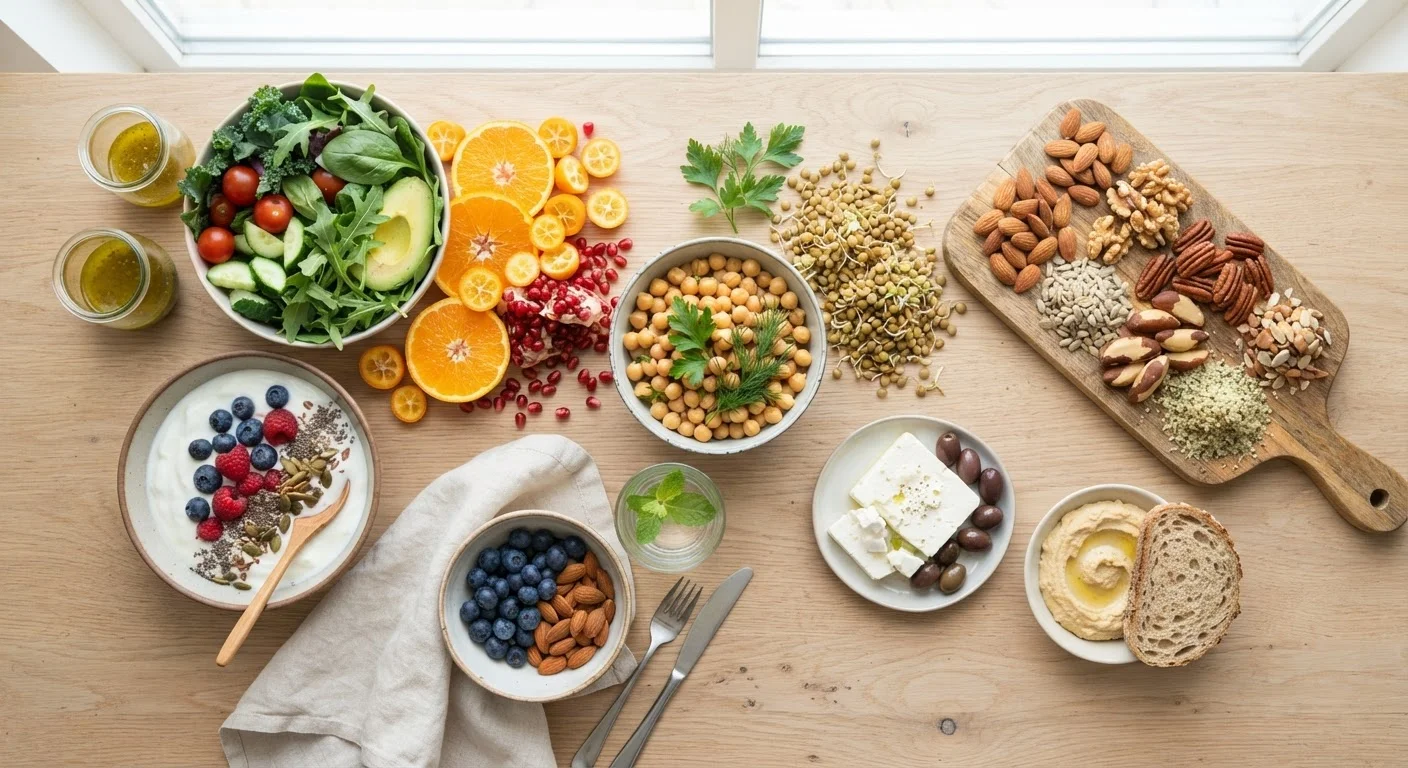
Why Micronutrients Matter - and Where Americans Fall Short
Micronutrients - the vitamins and minerals your body needs in relatively small amounts - don't generate the same headlines as protein or carbohydrates. Yet federal dietary surveillance data consistently shows that a significant portion of the U.S. population does not meet recommended intake levels for several key micronutrients. Unlike deficiencies severe enough to cause classic diseases (think scurvy or rickets), most shortfalls in the modern American diet are subclinical: they don't produce dramatic symptoms but can quietly affect energy, immunity, bone health, and mood over time.
Understanding which micronutrients are most commonly under-consumed - and where to find them in everyday foods - is a practical starting point for anyone looking to strengthen their diet. For context on how micronutrients interact with the bigger picture of your diet, see our plain-English guide to macronutrients.
The Most Commonly Under-Consumed Vitamins and Minerals
The following nutrients appear repeatedly in national dietary assessments as shortfall nutrients for American adults and children alike.
Vitamin D
Often called the "sunshine vitamin," vitamin D is produced in the skin through sun exposure and is found naturally in few foods. Fatty fish, egg yolks, and fortified dairy or plant milks are the primary dietary sources. Many Americans - particularly those living in northern latitudes, spending most time indoors, or with darker skin tones - get less than recommended amounts. Vitamin D supports bone health, immune function, and muscle activity.
Calcium
Calcium is the most abundant mineral in the body, concentrated in bones and teeth. Dairy products are the most familiar sources, but leafy greens such as kale and bok choy, fortified plant milks, canned fish with soft bones, and tofu made with calcium sulfate are also meaningful contributors. Inadequate calcium intake over time is associated with reduced bone density.
Potassium
Potassium helps regulate fluid balance, nerve signaling, and blood pressure. Fruits, vegetables, legumes, and dairy foods are its best sources - which helps explain why a diet heavy in ultra-processed foods tends to fall short. Our article on vegetables most Americans undereat covers many potassium-rich options worth adding to meals.
Magnesium
Magnesium is involved in hundreds of enzymatic reactions, including energy production and muscle function. Nuts, seeds, whole grains, legumes, and dark leafy greens are rich sources. Diets low in plant foods and whole grains often come up short.
Vitamin A
Two forms appear in food: preformed vitamin A (from animal sources such as liver and dairy) and provitamin A carotenoids (from orange, red, and dark green produce like sweet potatoes, carrots, and spinach). Adequate vitamin A is essential for vision, immune defense, and skin integrity.
Vitamin C
Despite being abundant in citrus fruits, bell peppers, broccoli, and strawberries, vitamin C intake falls below recommended levels in some population groups, particularly those with limited fruit and vegetable consumption. It supports immune function, wound healing, and iron absorption from plant foods.
Iron
Iron deficiency is the most widespread nutritional deficiency globally and remains significant in the U.S., especially among women of reproductive age and young children. Red meat and organ meats supply heme iron (readily absorbed); beans, lentils, fortified cereals, and leafy greens supply non-heme iron. Pairing non-heme sources with vitamin C improves absorption. Children's iron needs are notably higher relative to their size - see how children's nutritional needs differ for more context.
Micronutrient
Vitamins and minerals that the body requires in relatively small quantities to function normally. They do not provide calories but are essential for growth, immunity, metabolism, and other bodily processes.
Subclinical deficiency
A nutrient shortfall that does not produce obvious clinical symptoms but may still impair health or physiological function over time. Often detected only through blood testing.
Heme iron
A form of dietary iron found in animal-based foods such as red meat and poultry that is more readily absorbed by the body than non-heme iron from plant sources.
Provitamin A carotenoid
Plant pigments - such as beta-carotene in carrots and sweet potatoes - that the body can convert into active vitamin A. They are distinct from preformed vitamin A found directly in animal foods.
Fortified food
A food product to which specific nutrients have been added during processing to increase its nutritional value. Examples include vitamin D added to milk and iron added to breakfast cereals.
Getting More Micronutrients Through Food
Nutrition science consistently supports a food-first approach to meeting micronutrient needs. Whole foods deliver vitamins and minerals alongside fiber, antioxidants, and other compounds that work together in ways supplements cannot fully replicate. Dietary supplements can play a role in specific situations - pregnancy, diagnosed deficiencies, restricted diets - but they carry their own caveats; our primer on dietary supplements explains the regulatory landscape clearly.
Practical patterns that tend to support adequate micronutrient intake include eating a wide variety of colorful produce, incorporating legumes and whole grains regularly, and not over-relying on heavily processed convenience foods that have been stripped of natural nutrients. Budget is a real factor for many households - eating well on a budget offers strategies for maintaining nutritional quality without premium grocery costs.
If you have concerns about specific deficiencies or your overall nutritional status, a registered dietitian or your primary care provider can assess your individual needs - including whether any testing or supplementation makes sense for you.
~40%
U.S. adults with insufficient vitamin D intake
Estimates vary by methodology, but national surveys consistently show a large share of American adults fall below recommended vitamin D levels.
~95%
Americans falling short of potassium recommendations
The Dietary Guidelines for Americans identifies potassium as a nutrient of public health concern given how widely intake falls short.
~15%
U.S. women of reproductive age with iron deficiency
According to CDC data, iron deficiency - the most common nutritional deficiency - disproportionately affects women aged 12-49.
This article is for general informational and educational purposes only and does not constitute medical or dietary advice. Speak with a qualified healthcare professional before making significant changes to your diet or starting any supplementation.