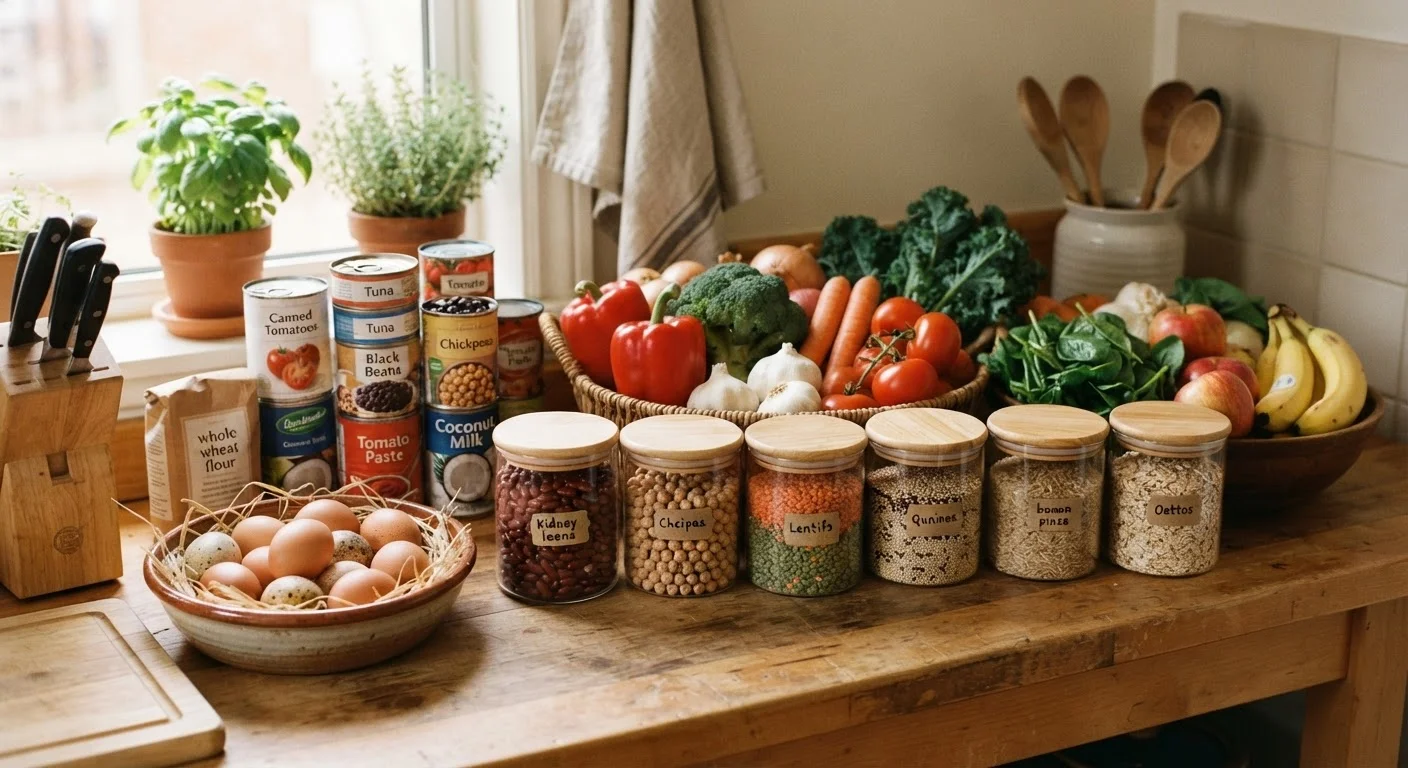
The Budget-Nutrition Tradeoff Is Largely a Myth
The idea that eating nutritiously requires premium grocery stores or expensive specialty foods is one of the most persistent misconceptions in popular health culture. In reality, several of the most nutrient-dense foods available - dried lentils, canned beans, eggs, oats, cabbage, frozen spinach - are consistently among the least expensive items in any grocery store.
The challenge is less about money and more about knowing which foods to prioritize. When budgets are tight, having a clear sense of nutritional value per dollar becomes a practical skill. This article outlines the food categories and buying strategies most likely to help you maintain a solid dietary foundation without overspending.
For a structured approach to organizing your weekly purchases, see building a grocery list around good nutrition.
Best Practices for Nutritious, Budget-Conscious Eating
The following practices represent evidence-informed strategies for maintaining dietary quality when financial resources are limited. None require special products or unusual cooking skills - just intentional choices at the store and in the kitchen.
Build meals around plant-based proteins like dried beans, lentils, and split peas.
Dried legumes are among the most cost-effective sources of protein, fiber, and key micronutrients such as iron and folate. A one-pound bag typically costs under two dollars and yields multiple servings. They also have a long shelf life, reducing the risk of food waste.
Choose frozen vegetables over fresh when produce prices are high.
Frozen vegetables are harvested at peak ripeness and flash-frozen, which preserves most of their nutritional content. They are consistently less expensive than fresh equivalents, have no spoilage risk, and are available year-round regardless of season.
Prioritize whole grains - especially oats, brown rice, and whole-wheat bread - as your primary carbohydrate sources.
Whole grains provide more fiber, B vitamins, and minerals than their refined counterparts at a similar or lower price point. Oats in particular are one of the most affordable foods by calorie and nutrient density available in American grocery stores.
Use eggs as a versatile, affordable, high-quality protein source.
Eggs remain one of the most nutritionally complete affordable foods available, providing protein, healthy fats, choline, and several vitamins in a compact form. They can anchor meals at breakfast, lunch, or dinner with minimal preparation.
Plan your weekly meals before shopping and build your list around that plan.
Unplanned grocery shopping typically leads to higher spending and more food waste, both of which undermine budget nutrition goals. A weekly meal plan allows you to buy only what you will use and to take advantage of overlapping ingredients across meals. See meal planning as a nutritional strategy for a practical starting point.
Choose store-brand or generic versions of pantry staples.
Store-brand canned beans, tomatoes, oats, and frozen vegetables are nutritionally equivalent to name-brand products and typically cost 20-40% less. The savings add up quickly across a full grocery cart without any reduction in dietary quality.
Quick Wins You Can Apply This Week
Not every dietary improvement requires a full overhaul. The following actions are small, immediate, and capable of making a meaningful difference in both nutritional quality and food spending.
Pair Budget Eating With Budget Planning
Food costs are just one part of a household budget. Reducing grocery spending is more sustainable when it fits into a broader financial picture. Our guide on cutting spending without feeling deprived offers complementary strategies that work alongside smarter food choices.
The Nutrients Most Often Missed on a Tight Budget
When food spending drops, certain nutrients tend to fall short before others. Fiber, potassium, calcium, and vitamins A, C, and D are commonly under-consumed by Americans generally - and budget pressure can widen those gaps. Fortunately, affordable foods address most of these directly:
- Fiber: Beans, lentils, oats, whole-wheat bread, frozen peas
- Potassium: Canned tomatoes, bananas, dried beans, sweet potatoes
- Calcium: Low-fat dairy, canned salmon with bones, fortified plant milks
- Vitamin A: Frozen carrots, sweet potatoes, canned pumpkin
- Vitamin C: Cabbage, frozen broccoli, canned tomatoes, oranges
For a deeper look at which micronutrients Americans commonly fall short on, visit our article on vitamins and minerals most Americans fall short on.
~90%
Americans not meeting vegetable intake recommendations
According to the Dietary Guidelines for Americans, the vast majority of U.S. adults fall short of recommended daily vegetable consumption, making affordable frozen options especially important.
$1.50
Approximate cost per serving of dried lentils
USDA cost-per-serving estimates for dried legumes consistently place them among the least expensive protein sources available in American grocery stores.
This article is for general informational purposes only and does not constitute medical or nutritional advice. Consult a registered dietitian or qualified healthcare professional for guidance tailored to your individual health needs.