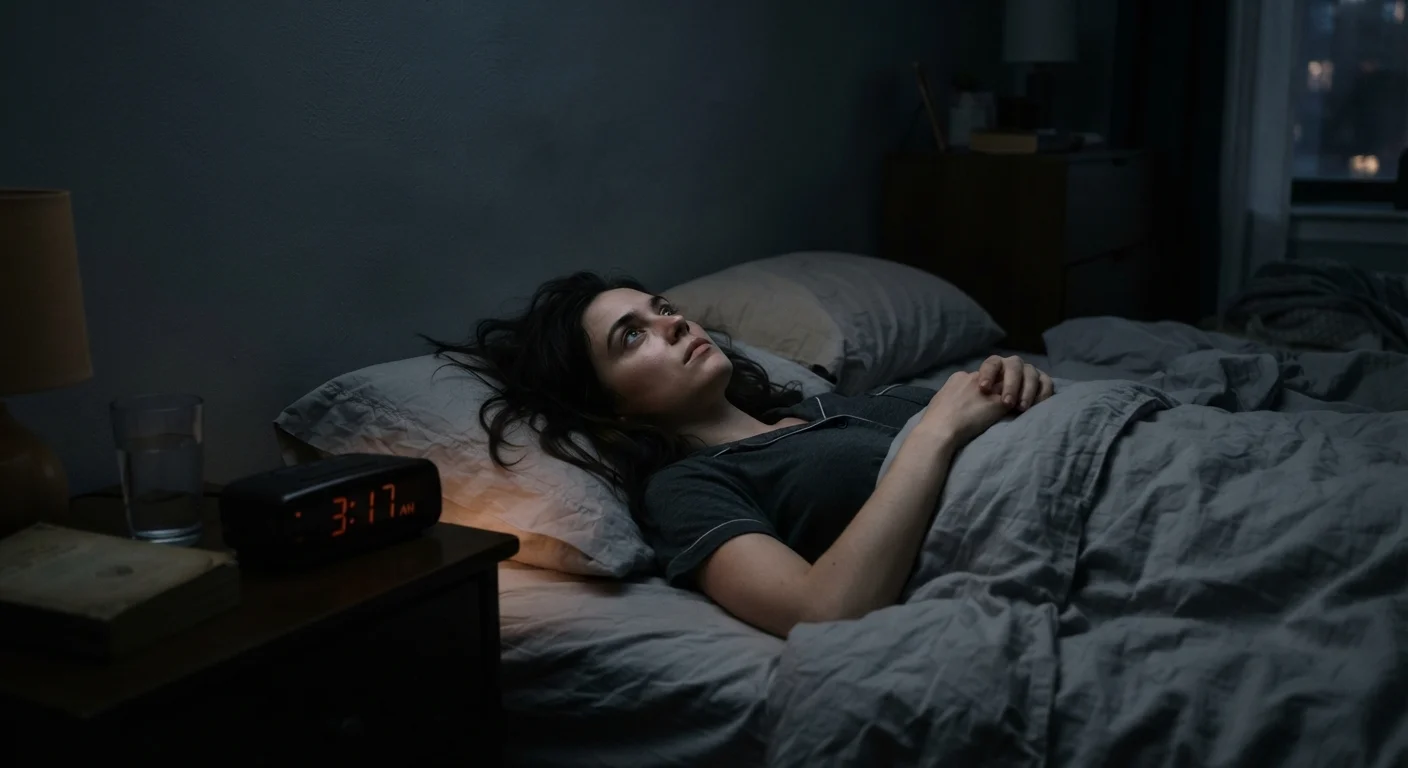
The Limits of Lifestyle Fixes
Good sleep hygiene - consistent schedules, a dark room, limiting screens before bed - genuinely helps many people sleep better. But these strategies have a ceiling. When sleep difficulties persist weeks or months despite real effort, treating the problem as purely a habit issue can delay care that actually addresses what's going on.
The practical steps in building a wind-down routine are a reasonable starting point for most adults. The question this article addresses is what comes next - when those steps aren't enough.
Track Before Your Appointment
Keeping a simple sleep diary for one to two weeks before seeing a provider gives you concrete, useful data rather than impressions. Note the time you got into bed, roughly when you fell asleep, any nighttime wake-ups, your wake time, and a brief rating of how rested you felt during the day. Patterns that seem invisible night-to-night often become clear on paper.
Disrupted sleep is rarely just one thing. It's worth thinking about whether changes in sleep coincide with shifts in mood, appetite, energy, or concentration, as these together can indicate something broader is at play. For more on recognizing those combined signals, see our guide on early signs of mental health decline.
Medical Conditions That Commonly Disrupt Sleep
Several well-documented medical conditions interfere with sleep in ways that no bedtime ritual can resolve.
- Obstructive sleep apnea causes repeated breathing interruptions that prevent deep, restorative sleep. Many people with apnea feel they slept a full night but wake unrefreshed - and may not be aware of snoring or gasping episodes unless a bed partner notices them.
- Thyroid disorders - both overactive and underactive thyroid - are associated with insomnia, excessive sleepiness, and disrupted sleep architecture, depending on the direction of hormonal imbalance.
- Restless legs syndrome (RLS) produces uncomfortable sensations in the legs at rest, particularly in the evening, making it difficult to fall asleep. RLS is a recognized neurological condition, not anxiety or stress.
- Chronic pain conditions, including arthritis and fibromyalgia, frequently fragment sleep through discomfort, and poor sleep in turn can amplify pain sensitivity - a cycle difficult to interrupt without addressing both sides.
50-70M
U.S. adults with chronic sleep disorders
According to the American Sleep Association, an estimated 50 to 70 million Americans are affected by chronic sleep disorders or sleep deprivation.
~80%
Sleep apnea cases that go undiagnosed
Research published in sleep medicine literature estimates that the large majority of obstructive sleep apnea cases remain undiagnosed in the general population.
70-80%
Insomnia response rate to CBT-I
Clinical trials consistently show that cognitive behavioral therapy for insomnia (CBT-I) produces meaningful improvement in the majority of people who complete the treatment.
Understanding how sleep cycles function helps clarify why interruptions at any stage - not just deep sleep - carry real consequences for health and recovery.
When Mental Health Is the Root Cause
Sleep and mental health are bidirectional: poor sleep worsens mood, and mood disorders reliably disrupt sleep. Insomnia is a diagnostic criterion for several mental health conditions, including major depressive disorder, generalized anxiety disorder, and PTSD.
For someone whose sleeplessness is driven primarily by anxiety or depression, optimizing sleep habits addresses a symptom but not the source. Cognitive behavioral therapy for insomnia (CBT-I) - a structured, evidence-based approach - has a strong research record and is often recommended by clinicians as a first-line treatment for chronic insomnia, sometimes ahead of medication.
“Insomnia is rarely just a sleep problem. It's almost always a symptom - and figuring out what it's a symptom of is the most important clinical question.”
— Matthew Walker, Professor of Neuroscience and Psychology, University of California, Berkeley; author of research on sleep and human health
If you or someone you know is experiencing persistent low mood or emotional changes alongside poor sleep, these experiences are worth evaluating together - not in isolation.
Recognizing When to Reach Out
Certain patterns deserve prompt attention from a qualified healthcare provider rather than further self-management:
- Sleep difficulties occurring most nights for four weeks or longer, despite consistent effort
- Waking feeling unrested even after seven to nine hours in bed
- Loud snoring, observed pauses in breathing, or waking with a dry mouth or headache
- Daytime sleepiness that impairs concentration, judgment, or safety - including drowsy driving
- Sleep changes that coincide with significant mood shifts, weight changes, or unexplained fatigue
A provider can evaluate whether a sleep study (polysomnography), blood work, or a mental health referral is appropriate. Arriving with a brief sleep diary - noting sleep and wake times, nighttime disturbances, and daytime energy levels over one to two weeks - makes the conversation more productive.
It's also worth noting that not all sleep hygiene advice carries equal weight. Focusing on what has genuine evidence behind it, and recognizing when those measures have been reasonably tried, is a practical and empowered approach to your own care.
This article is for general informational and educational purposes only and does not constitute medical advice. Always consult a qualified healthcare professional regarding any personal health concerns or before making changes to your care.